What are the core principles of production planning?
The backbone of effective production planning lies in understanding and implementing several foundational principles. At its core, production planning is about optimizing resources, time, and processes to ensure that production schedules meet consumer demand efficiently. One key principle is capacity planning, which involves determining the production capacity needed to meet changing demands for products. This involves aligning resources such as labor, machinery, and materials to ensure that production can be scaled up or down as needed.
Another principle is the just-in-time (JIT) production system, which minimizes inventory costs by delivering parts and materials just as they are needed in the production process. This principle reduces waste and increases efficiency, but requires precise timing and coordination. Additionally, lean manufacturing focuses on eliminating waste and improving processes, leading to enhanced productivity and quality.
Implementing these principles requires a balance of strategic planning and real-time adjustments. For instance, if a supplier delay is anticipated, the production schedule must be adjusted accordingly to prevent downtime. These principles ensure that the production process is not only efficient but also adaptable to changes in market demand or supply chain disruptions.
Continuous Improvement Methodologies: PDCA, Kaizen, and DMAIC
Lean manufacturing and JIT set the foundation, but sustaining gains over time requires structured frameworks for ongoing improvement. The three methodologies most widely applied on the production floor are:
- PDCA (Plan-Do-Check-Act): A cyclical four-step model for iterative process improvement. In production planning, a team might use PDCA to trial a revised shift schedule, measure its impact on throughput, and refine it before full rollout.
- Kaizen: A philosophy of continuous, incremental improvement driven by the people closest to the work. On the production floor, Kaizen events bring operators and supervisors together to identify and eliminate small inefficiencies — reducing setup times, reorganizing workstations, or standardizing handoff procedures.
- DMAIC (Define-Measure-Analyze-Improve-Control): A data-driven problem-solving framework drawn from Six Sigma. It is best applied when a specific, measurable defect or bottleneck needs root-cause analysis — for example, diagnosing why a particular production line consistently falls short of its planned output rate.
Each methodology addresses a different type of improvement challenge. PDCA suits rapid, low-risk experimentation; Kaizen builds a culture of everyday problem-solving; and DMAIC provides rigor when the cause of a performance gap is not immediately obvious. Embedding any of these into regular production planning cycles turns improvement from a one-off project into an organizational habit.
How does real-time visibility enhance production efficiency?
Real-time visibility in production planning is akin to having a live dashboard of the entire manufacturing process. This allows for immediate insight into every aspect of production, from resource allocation to process status. By integrating real-time data, organizations can quickly identify bottlenecks, machine downtimes, or supply chain disruptions, allowing for swift corrective actions.
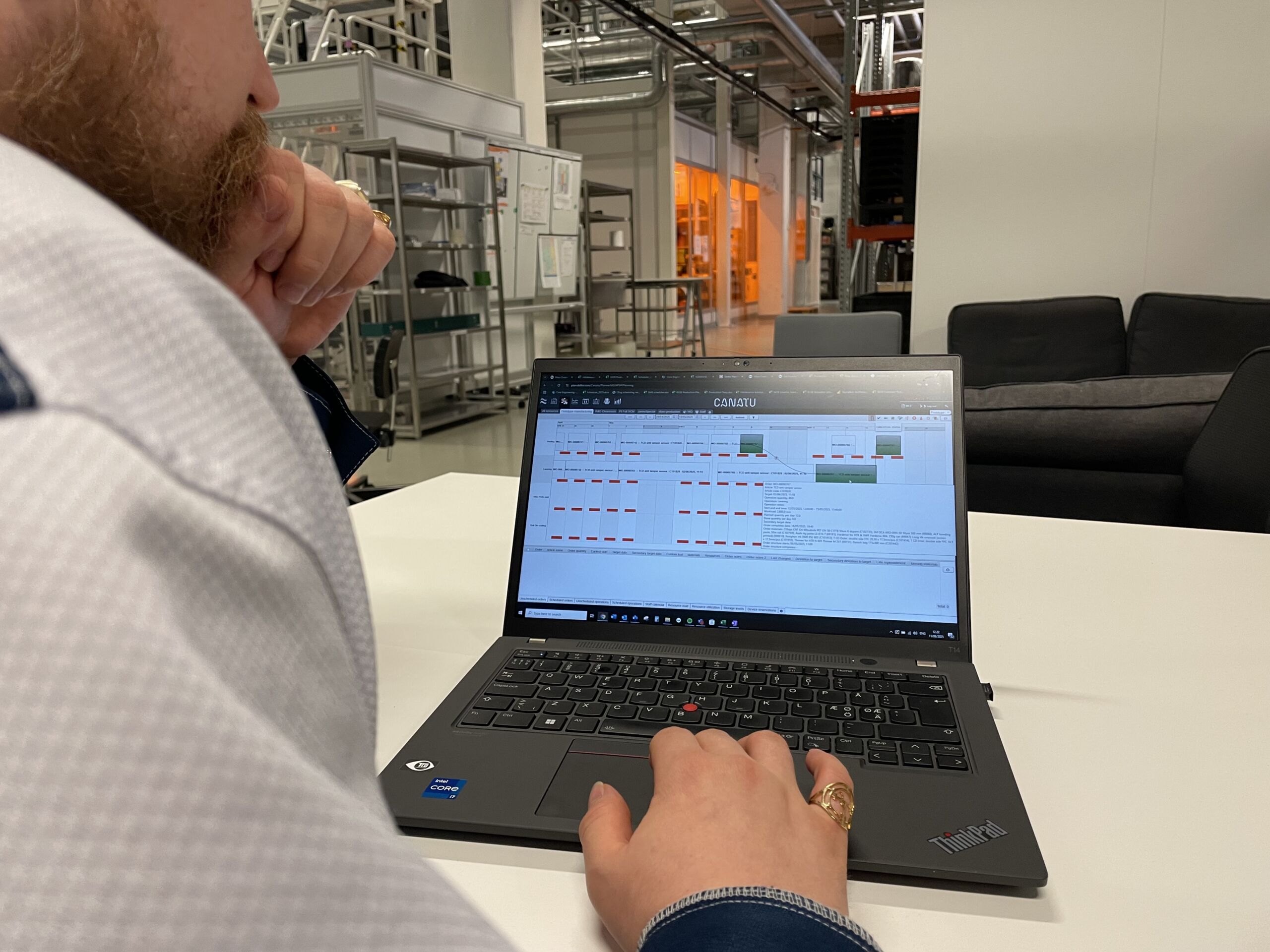
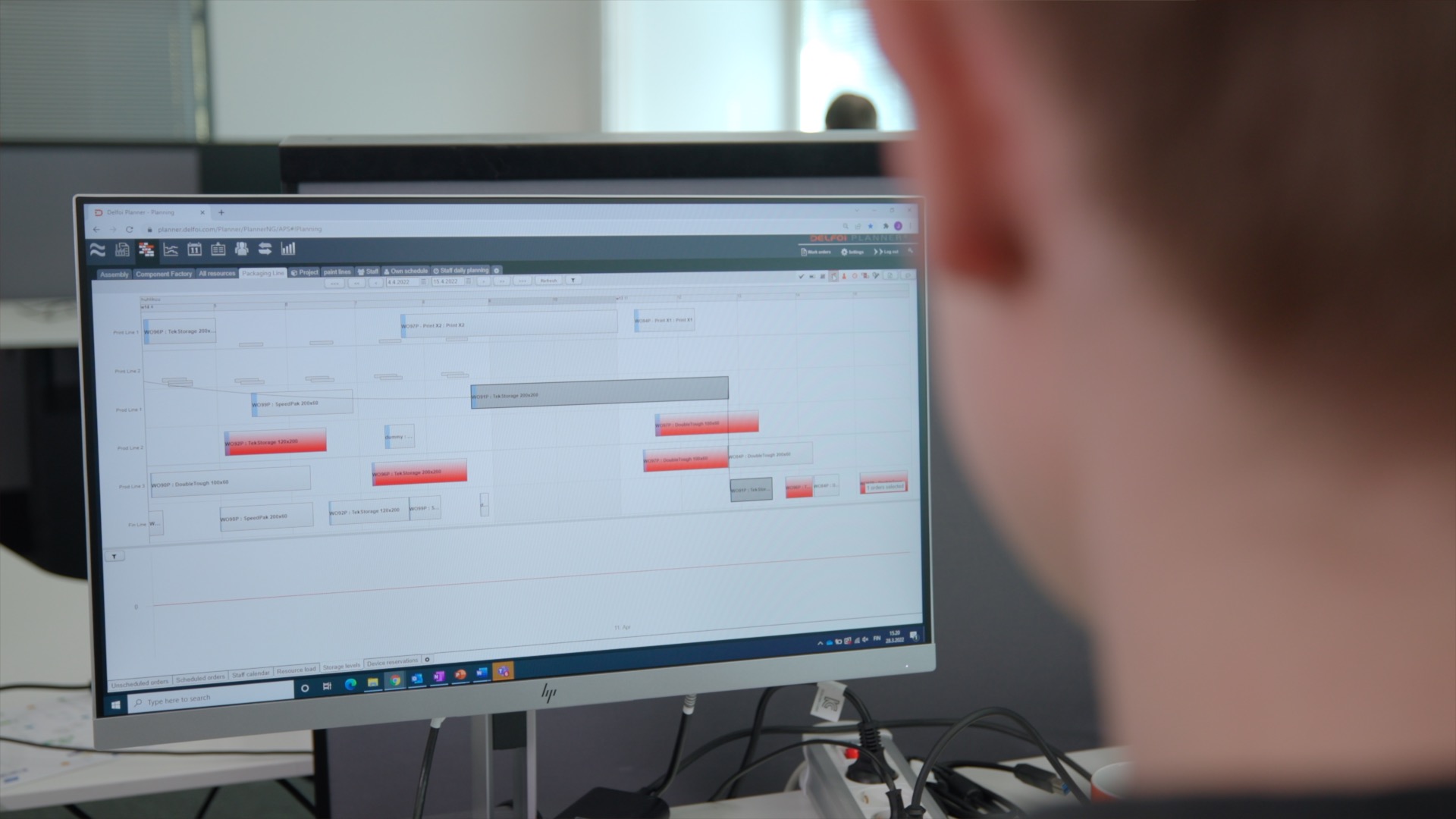
For example, systems like the Delfoi Planner provide real-time updates on production tasks and resource utilization. This level of visibility can drastically reduce downtime by allowing for proactive maintenance scheduling and immediate response to unexpected disruptions. Moreover, it aids in the optimal allocation of resources, ensuring that labor and machinery are efficiently utilized.
Real-time visibility acts as a bridge between strategic planning and operational execution, enabling more informed decision-making and agile responses to production challenges. This connectivity ensures that production remains aligned with business goals, enhancing overall efficiency and productivity.
The role of AI and predictive analytics in production visibility
There is an important distinction between reactive visibility — seeing what is happening right now — and predictive visibility, which means anticipating what is likely to happen next. Reactive dashboards are valuable, but organizations that layer machine learning and advanced analytics on top of real-time data gain a meaningful competitive edge. Three practical use cases illustrate how this works in production environments:
- Predictive maintenance: Sensors continuously monitor equipment parameters such as vibration, temperature, and cycle time. When readings deviate from established norms, the system flags the anomaly before it causes an unplanned breakdown, allowing maintenance to be scheduled during planned downtime rather than in response to a failure.
- Demand-driven scheduling: Machine learning models draw on real-time order intake alongside historical demand patterns to adjust production run quantities dynamically, reducing the risk of both overproduction and stockouts.
- Process mining: Event log data from ERP or MES systems is analyzed to map how the production process actually unfolds — not how it was designed to unfold. This reveals hidden bottlenecks and deviations in process flow optimization that would be invisible to a planner relying on planned-versus-actual reports alone.
Integrated planning platforms that combine real-time visibility with these predictive capabilities give operations and IT leaders a single source of truth — one that not only reflects current production status but actively supports better decisions before problems escalate.
Why is change management vital for modern production systems?
In the realm of modern production systems, the integration of new technologies and methodologies is constant. Change management becomes essential as it facilitates the smooth transition from traditional systems to more advanced, efficient processes. It involves preparing, supporting, and helping individuals, teams, and organizations in adapting to change.
Effective change management ensures that the workforce is trained and ready to embrace new technologies, minimizing resistance and maximizing engagement. For instance, implementing a new production planning software requires not only technical adjustments but also cultural shifts within the organization.
By focusing on both the technical and human aspects of change, organizations can ensure that new systems are adopted smoothly and that productivity is maintained during the transition period. This holistic approach to change management is crucial in maintaining competitive advantage and achieving long-term success.
Industry-Specific Production Planning Challenges and Strategies
Effective production planning looks different depending on the sector. The underlying principles — capacity management, waste reduction, and demand alignment — remain consistent, but the specific challenges and the way those principles are applied vary considerably across industries. The following examples illustrate how targeted planning strategies address the realities of three distinct operating environments.
Healthcare
Production planning in the healthcare sector involves unique challenges, primarily due to the need for precision and the unpredictability of demand. One effective strategy is the implementation of capacity management systems to ensure that resources such as staff, equipment, and facilities are utilized optimally. This involves forecasting demand and adjusting resource allocation in real-time to meet patient needs effectively.
Another strategy is the adoption of lean methodologies to streamline processes and eliminate waste. This can involve reorganizing workflows to reduce waiting times and improve service delivery. For example, a hospital might use lean principles to optimize the scheduling of surgeries, ensuring that operating rooms are used efficiently and patient throughput is maximized.
The integration of advanced planning solutions can significantly enhance these strategies. By providing real-time data and predictive analytics, these tools enable healthcare providers to make informed decisions that improve service delivery and patient outcomes.
Discrete manufacturing
In sectors such as automotive and electronics assembly, one of the most significant planning challenges is managing sequencing and changeovers without sacrificing throughput. Every time a production line switches from one product variant to another, time and resources are consumed in reconfiguration. Effective production scheduling addresses this by grouping jobs with similar tooling or material requirements, minimizing the number and duration of changeovers within a shift. Advanced scheduling tools can evaluate thousands of sequencing permutations and identify the order that maximizes output while keeping changeover time within acceptable limits. The result is a measurable improvement in overall equipment effectiveness and a more predictable production rhythm that makes capacity commitments to customers easier to uphold.
Process manufacturing
Food and beverage producers, along with chemical manufacturers, face a distinct set of constraints: product shelf life, strict hygiene protocols between runs, and demand patterns that can shift rapidly with seasonal or promotional cycles. Here, process flow optimization means aligning batch sizes and production run sequencing directly with real-time demand signals rather than fixed weekly plans. When a retailer increases an order at short notice, a demand-driven scheduling system can recalculate run sequences to prioritize the most time-sensitive products while minimizing waste from expired or over-produced inventory. Balancing freshness, regulatory compliance, and demand fulfillment simultaneously requires planning tools that can ingest live order data and translate it into actionable schedule adjustments without manual intervention.
What are the measurable benefits of optimized production planning?
The case for investing in structured production planning is strongest when its outcomes are made concrete. Across manufacturing and operations, well-implemented planning delivers improvements that are visible in financial results, customer satisfaction, and workforce performance — not just in operational metrics. The following benefits represent the most consistently reported gains:
- Reduced operational costs: Eliminating waste and idle time through structured planning directly lowers per-unit production costs. Organizations that apply capacity planning and JIT principles typically see measurable reductions in inventory holding costs and overtime expenditure, as production runs are sized and timed to actual demand rather than precautionary buffers.
- Shorter lead times and faster time-to-market: When scheduling is based on accurate capacity data and real-time order intake, production sequences can be compressed without sacrificing quality. Shorter lead times translate directly into a stronger competitive position, particularly in markets where delivery speed influences purchasing decisions.
- Improved product quality and consistency: Standardized planning processes reduce the variability that leads to defects and rework. When operators follow consistent schedules and changeover procedures, process conditions are more stable, and quality outcomes become more predictable across shifts and production runs.
- Greater supply chain resilience: Integrated planning gives organizations earlier warning of upstream disruptions — whether a supplier delay or a logistics constraint — so that alternative sourcing or schedule adjustments can be made before the disruption reaches the production floor. This reduces the frequency and severity of unplanned stoppages.
- Better workforce utilization: Accurate capacity planning prevents the twin problems of underutilization and overloading. When labor is scheduled against realistic production targets, overtime is reduced, fatigue-related errors decrease, and staff are more likely to remain engaged with the work.
- Enhanced ability to respond to demand fluctuations: Organizations with flexible, data-driven planning processes can adjust production volumes and sequences in response to sudden demand changes — whether a spike driven by a promotional campaign or a drop caused by a market shift — without incurring the costs associated with emergency production runs or excess inventory write-offs.
Taken together, these benefits position optimized production planning as a strategic capability rather than a purely operational one. Organizations that plan well are better placed to compete on cost, speed, and reliability simultaneously — and that combination is increasingly difficult to achieve through operational effort alone.
How to implement effective production planning solutions
Implementing effective production planning solutions requires a strategic approach that aligns with organizational goals. The first step is to assess the current production processes and identify areas for improvement. This involves understanding the production flow, resource allocation, and potential bottlenecks.
Once these areas are identified, organizations can choose the appropriate planning tools that meet their specific needs. Solutions like the Delfoi Planner offer advanced features such as capacity planning, real-time visibility, and change management support. These tools should be integrated into existing systems to ensure seamless data flow and process integration.
Training and support are also critical components of successful implementation. Ensuring that staff are well-trained and comfortable with new systems will maximize the benefits of the planning solution. Continuous monitoring and feedback loops should be established to adapt and refine the production planning process, ensuring it remains aligned with organizational objectives and market demands.