Manufacturing companies using Oracle NetSuite often discover that while their ERP system excels at managing core business processes, the native manufacturing capabilities can leave production teams struggling with complex scheduling challenges and limited visibility into real-time operations. The gap between NetSuite’s robust financial management and the nuanced demands of modern manufacturing workflows creates bottlenecks that impact delivery performance and operational efficiency.
Optimising NetSuite manufacturing workflows requires understanding these inherent limitations and implementing complementary solutions that enhance rather than replace your existing ERP investment. Through the strategic integration of advanced planning systems, manufacturers can transform their NetSuite environment into a comprehensive production management platform that delivers both operational transparency and measurable performance improvements.
This guide explores proven approaches to NetSuite optimisation that address common manufacturing pain points whilst maintaining seamless integration with your existing business processes.
Why standard NetSuite manufacturing falls short
NetSuite’s native manufacturing functionality provides essential ERP capabilities but lacks the sophisticated planning tools that modern production environments demand. The system’s scheduling constraints become apparent when managing complex multi-resource operations, where the basic scheduling engine cannot effectively balance competing priorities or optimise resource utilisation across interconnected production lines.
Capacity planning gaps represent another significant limitation. NetSuite’s standard approach to capacity management relies on simplified calculations that do not account for the dynamic nature of manufacturing operations. Variables such as setup times, changeover requirements, and resource-specific constraints often require manual workarounds that introduce planning inefficiencies and reduce accuracy.
Real-time visibility challenges compound these issues, particularly when production teams need immediate access to current work order status, bottleneck identification, and performance metrics. The standard NetSuite interface does not provide the visual, intuitive planning environment that production managers require for effective decision-making and rapid response to changing conditions.
These limitations force many manufacturers to supplement NetSuite with spreadsheet-based planning tools, creating data silos and manual processes that undermine the benefits of an integrated ERP system. The result is often delayed decision-making, suboptimal resource allocation, and reduced manufacturing efficiency.
How advanced planning systems transform NetSuite workflows
Advanced Planning and Scheduling (APS) solutions address NetSuite’s manufacturing limitations by providing sophisticated optimisation capabilities that integrate seamlessly with existing ERP data. These systems leverage NetSuite’s master data, including bills of materials, routings, and resource calendars, whilst adding intelligent scheduling algorithms and visual planning interfaces.
The transformation begins with enhanced optimisation capabilities that consider multiple constraints simultaneously. Unlike NetSuite’s basic scheduling, APS systems evaluate resource availability, material constraints, setup requirements, and delivery priorities to generate feasible production plans that maximise throughput whilst meeting customer commitments.
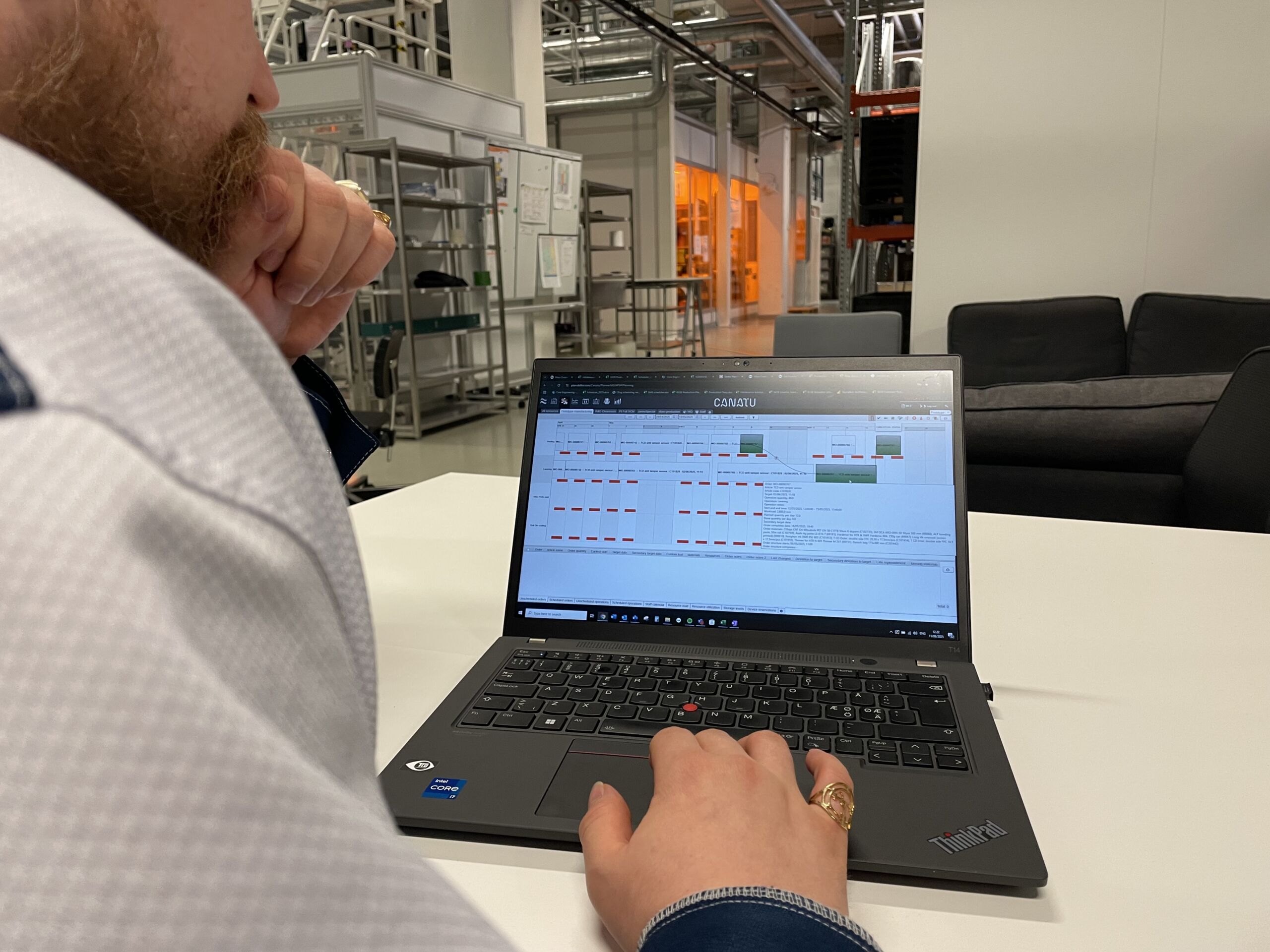
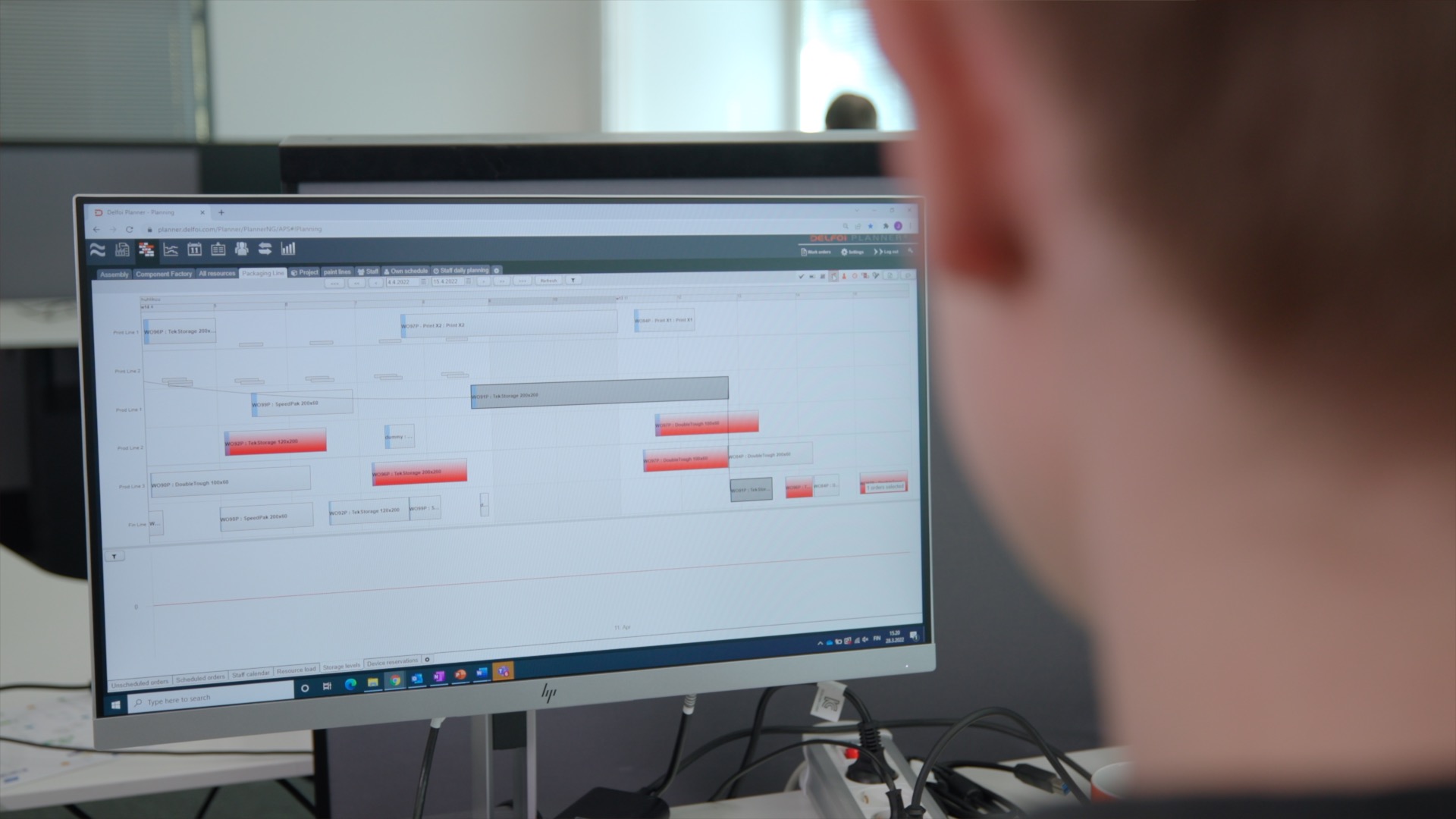
Visual control becomes possible through intuitive drag-and-drop planning boards that display production schedules in real time. Production planners can quickly identify bottlenecks, balance workloads, and simulate alternative scenarios without leaving the NetSuite ecosystem. This visual approach reduces planning time significantly whilst improving plan quality and responsiveness to changes.
Real-time production management capabilities extend NetSuite’s functionality to the shop floor, providing immediate visibility into work order progress, resource utilisation, and performance metrics. Production teams gain access to current information that enables proactive management of exceptions and continuous improvement of manufacturing processes.
Integration with NetSuite ensures that all planning decisions flow seamlessly back to the ERP system, maintaining data integrity and eliminating the need for manual data entry or reconciliation between systems.
Essential workflow optimisations for NetSuite manufacturers
Effective NetSuite manufacturing workflow optimisation focuses on four critical areas that deliver measurable performance improvements. Demand forecasting integration connects sales projections with production capacity, enabling manufacturers to align resources with anticipated demand whilst maintaining appropriate inventory levels.
Capacity optimisation transforms how manufacturers approach resource planning. Rather than relying on theoretical capacity calculations, optimised workflows consider actual performance data, maintenance schedules, and skill-based resource assignments to create realistic production plans that account for operational constraints.
Scheduling automation eliminates manual planning bottlenecks by implementing rule-based scheduling logic that responds automatically to changes in orders, materials, or resource availability. This automation maintains plan feasibility whilst reducing the administrative burden on production planning teams.
Change management processes become streamlined through integrated workflows that propagate updates across all affected systems automatically. When customer requirements change or supply disruptions occur, optimised workflows enable rapid replanning and communication of revised schedules to all stakeholders.
The integration of these workflow improvements typically delivers substantial operational benefits. Manufacturers commonly experience lead time reductions of up to 50%, improved delivery accuracy, and increased capacity utilisation of 25–50% through the elimination of planning inefficiencies and better resource coordination.
Implementing seamless Delfoi Planner integration with NetSuite
Successful integration of advanced production planning capabilities with NetSuite requires careful attention to data synchronisation, workflow configuration, and system harmony. The implementation process begins with establishing reliable data flows between NetSuite master data and the planning environment.
Data synchronisation ensures that bills of materials, routings, work orders, resource calendars, and inventory levels flow automatically into the planning system. This eliminates manual data entry whilst maintaining real-time accuracy across both systems. The certified SuiteApp integration approach reduces custom coding requirements and accelerates deployment timelines.
Workflow configuration adapts the planning environment to match existing business processes whilst introducing enhanced capabilities. Production planners continue working within familiar NetSuite-connected interfaces whilst gaining access to drag-and-drop Gantt charts, visual scheduling boards, and advanced optimisation tools.
System harmony is maintained through careful attention to user permissions, data validation rules, and integration points that preserve NetSuite’s role as the system of record whilst extending its capabilities with specialised manufacturing functionality.
The cloud-based deployment model complements NetSuite’s SaaS architecture, ensuring consistent performance and scalability without requiring additional infrastructure investments. Testing procedures validate data integrity and functional performance before full production deployment.
Measuring manufacturing workflow performance in NetSuite
Establishing a comprehensive performance measurement framework enables manufacturers to quantify the benefits of optimised NetSuite manufacturing workflows and identify opportunities for continuous improvement. Key performance indicators should encompass both operational efficiency metrics and business impact measurements.
Production efficiency gains can be tracked through metrics such as schedule adherence, resource utilisation rates, and throughput improvements. These operational indicators provide immediate feedback on workflow effectiveness and highlight areas where further optimisation may be beneficial.
Planning efficiency measurements focus on the time required for schedule creation, the frequency of plan changes, and the accuracy of capacity projections. Improvements in these areas typically indicate successful workflow optimisation and reduced administrative overhead.
Business impact metrics connect operational improvements to financial performance through measurements of inventory levels, customer service performance, and overall equipment effectiveness. These indicators demonstrate the ROI of integrated planning systems and support continued investment in manufacturing optimisation initiatives.
Regular performance reviews should compare actual results against established baselines whilst identifying trends that may indicate emerging challenges or opportunities. The integrated nature of optimised NetSuite workflows enables comprehensive reporting that combines ERP data with detailed production metrics for complete visibility into manufacturing performance.
Successful NetSuite manufacturing workflow optimisation requires understanding the platform’s inherent limitations whilst implementing complementary solutions that enhance rather than replace existing ERP capabilities. Through the strategic integration of advanced planning systems, manufacturers can achieve significant improvements in operational efficiency, delivery performance, and resource utilisation whilst maintaining the benefits of their NetSuite investment. The key lies in selecting solutions that integrate seamlessly with NetSuite’s architecture and support existing business processes whilst adding sophisticated, manufacturing-specific functionality.