Strategic product scheduling tackles key manufacturing challenges, including bottlenecks, inventory discrepancies, material wastage, and operational inefficiencies. By aligning resources, tasks, and schedules precisely, manufacturers can significantly reduce downtime, optimize resource allocation, and enhance overall productivity. Advanced scheduling software provides real-time data, predictive analytics, and adaptability to shifting market demands, boosting profitability and competitive edge in the manufacturing sector.
How Product Scheduling Enhances Manufacturing Efficiency
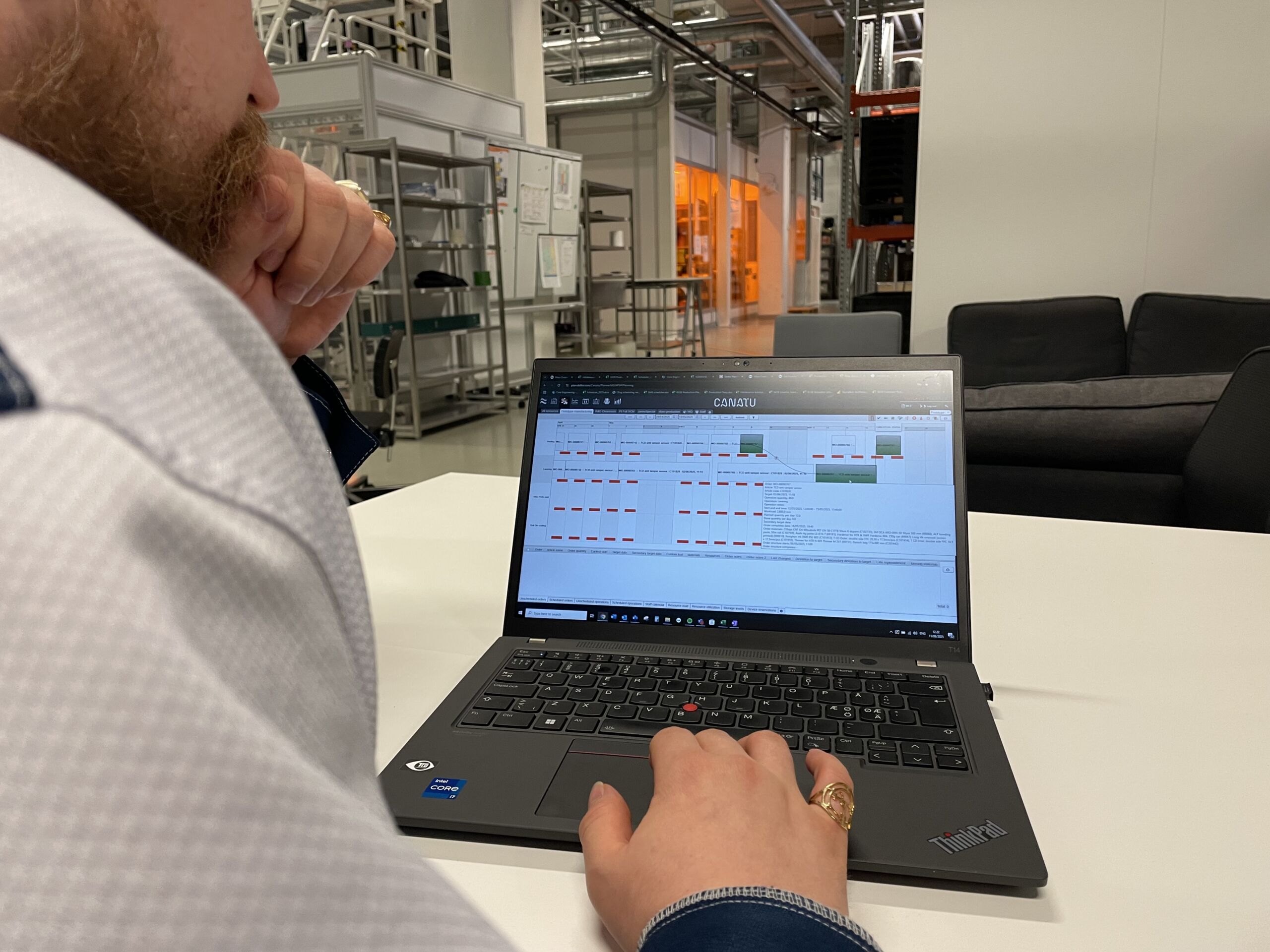
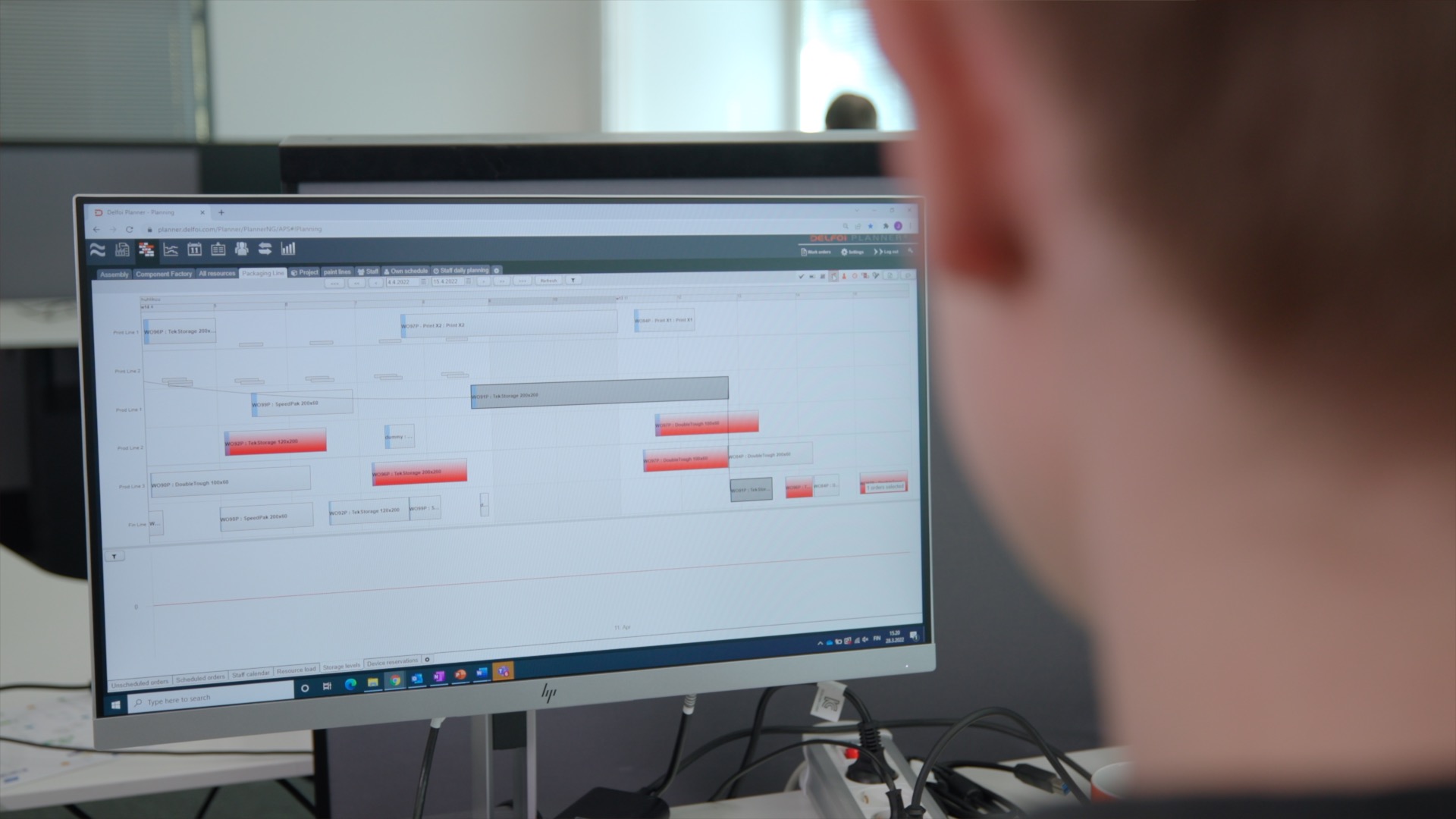
Efficient product scheduling boosts manufacturing efficiency by optimizing production flow, reducing downtime, and maximizing resource allocation. Effective scheduling minimizes equipment idle times, balances workloads, and ensures continuous productivity. For example, solutions like Delfoi Planner APS (Advanced Planning and Scheduling) provide real-time visibility and visual scheduling, significantly shortening production lead times and enhancing delivery accuracy.
Concrete results from effective scheduling often include:
- Reduced idle machine time: Improved scheduling can cut idle times by up to 30%.
- Enhanced throughput: Production volume can increase by around 20–25% due to reduced bottlenecks.
- Improved resource allocation: Optimal scheduling ensures workers and machinery operate at their highest efficiency, reducing unnecessary overtime and enhancing labor productivity.
Common Manufacturing Issues Resolved by Effective Scheduling
Ineffective scheduling often results in manufacturing bottlenecks, inventory mismanagement, and frequent delays. Proper scheduling addresses these challenges by prioritizing critical tasks, balancing workloads, and improving inventory forecasting accuracy. Tools like Delfoi Planner SOP (Sales and Operations Planning) allow manufacturers to predict demand variations and proactively manage inventory levels, avoiding costly shortages or surpluses.
Notable manufacturing issues addressed include:
- Production bottlenecks: Clear scheduling identifies overburdened resources and redistributes workloads, enhancing overall productivity.
- Inventory mismanagement: Accurate scheduling predicts material requirements precisely, reducing unnecessary inventory holding costs.
- Delays and missed deadlines: Real-time scheduling updates enable swift adjustments and minimize the risk of delays.
Why is product scheduling critical for reducing manufacturing waste?
Effective scheduling significantly minimizes manufacturing waste by aligning production plans with available materials, capacity, and demand forecasts. Poor scheduling can cause material spoilage, excessive inventory, and unnecessary overhead. Advanced scheduling tools empower manufacturers to optimize resource utilization, reduce waste, and eliminate unnecessary expenses, contributing to greater overall efficiency.
Industry examples demonstrate tangible waste reductions:
- Material waste reduction: Scheduling improvements can reduce raw material wastage by up to 15% through precise forecasting and inventory control.
- Inventory accuracy: Effective scheduling enhances inventory accuracy by aligning procurement closely with actual production demands.
- Lower overhead costs: Optimized schedules reduce the need for overtime labor and storage expenses, significantly cutting overhead costs.
How can advanced scheduling software enhance manufacturing performance?
Advanced scheduling software provides significant benefits, including automation, predictive analytics, and real-time data monitoring. Systems like Delfoi Planner MES (Manufacturing Execution System) offer immediate production updates, enabling rapid responses to disruptions. By automating scheduling processes, manufacturers reduce errors, increase consistency, and leverage predictive insights to address potential issues before they escalate.
Key features improving manufacturing performance include:
- Real-time visibility: Immediate feedback on production progress and bottlenecks helps manufacturers respond proactively.
- Automation: Automated scheduling reduces manual workload and improves accuracy, ensuring schedules adapt quickly to changing conditions.
- Predictive analytics: Forecasting capabilities enable proactive management, avoiding disruptions and downtime before they occur.
When should manufacturers invest in product scheduling solutions?
Manufacturers should consider investing in comprehensive scheduling solutions when facing persistent issues like frequent delays, fluctuating demand, growing product complexity, or scaling production capacity. Clear indicators include difficulty managing inventory levels, increasing production lead times, or the inability to efficiently allocate resources. At strategic growth stages, such as expanding product lines or production facilities, advanced scheduling solutions become essential for maintaining competitiveness and profitability.
Scenarios indicating the need for scheduling solutions are:
- Rapid company growth: Increased demand or production scale necessitates sophisticated scheduling to maintain efficiency.
- Complex product mix: Managing diverse products and variants requires precise scheduling to maintain accurate production timelines.
- Consistent production disruptions: Frequent delays or bottlenecks highlight the urgent need for improved scheduling practices.
Next Steps to Master Product Scheduling
Adopting advanced product scheduling practices offers significant benefits, including reduced waste, enhanced inventory management, and improved production efficiency. Manufacturers aiming for long-term competitiveness should consider comprehensive scheduling solutions like Delfoi Planner to proactively address operational challenges. Leveraging real-time insights, automation, and predictive analytics enables businesses to significantly enhance performance and strategically position for future growth.
To continue enhancing your manufacturing processes, consider exploring related questions such as:
- How does real-time production tracking improve efficiency?
- What role does predictive analytics play in manufacturing?
- How can manufacturers effectively manage production fluctuations?
By prioritizing scheduling excellence, manufacturers build resilient operations capable of adapting swiftly to market demands, securing lasting profitability and competitive advantage.