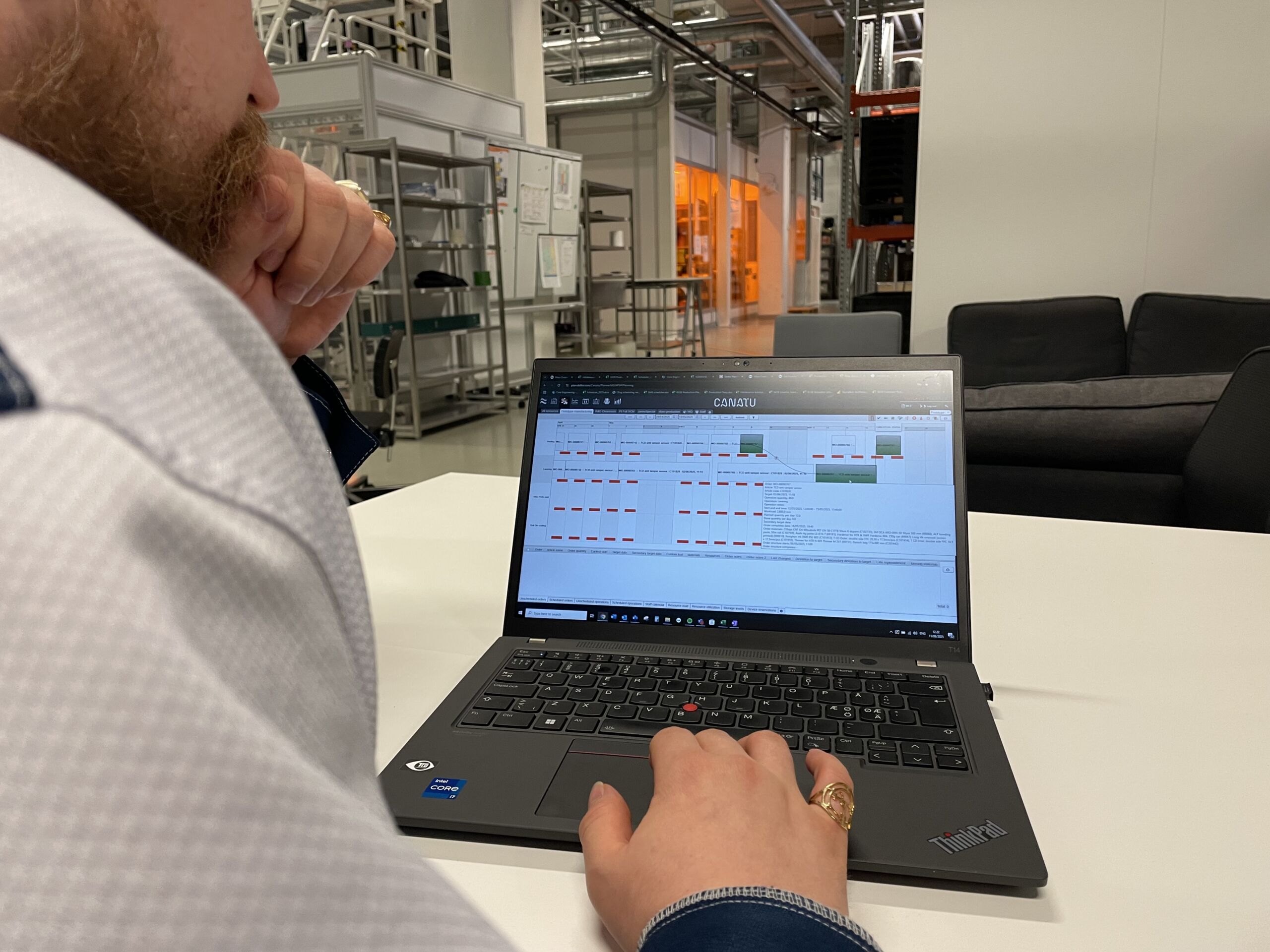
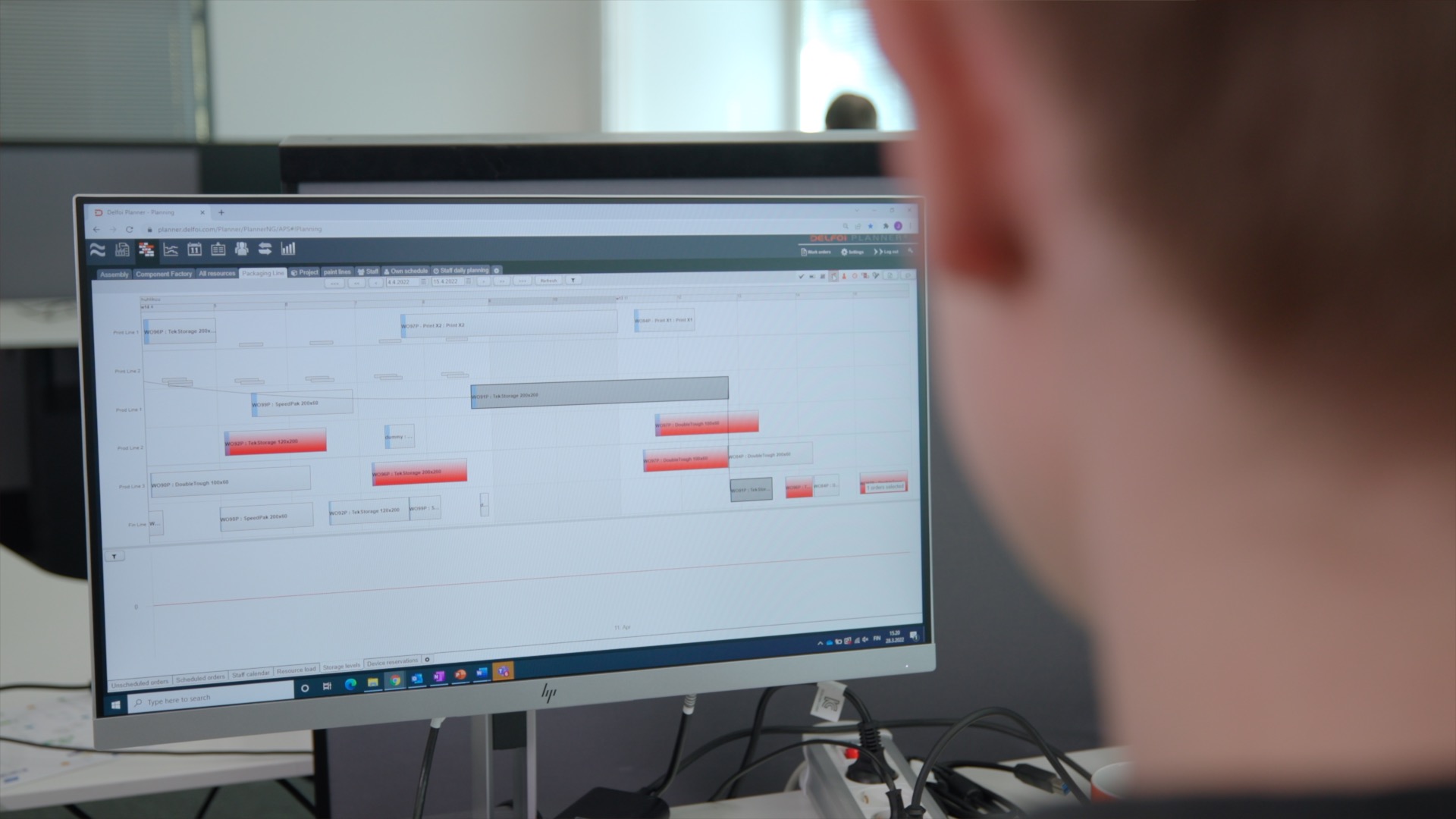
Yes, a short APS pilot can genuinely validate real production constraints, but only when it is designed around specific scenarios rather than a general system demonstration. A focused proof of concept, typically four to six weeks, is enough to confirm whether an advanced planning and scheduling solution handles your actual planning rules, capacity logic, and everyday disruptions. The sections below unpack what a well-structured APS pilot can and cannot prove, and how to design one that supports a reliable decision.
What can an APS pilot realistically test in a short timeframe?
In a short APS pilot, you can realistically test whether the system handles your core planning constraints, responds correctly to schedule disruptions, and produces results that planners can trust and explain. A four-to-six-week production planning pilot is sufficient to verify fit with your operating rules, confirm data readiness, and create a clear decision basis for implementation, provided the scope is defined tightly from the start.
The most productive pilots focus on the situations where spreadsheet-based planning tends to break down: shared bottleneck capacity, complex routing and sequencing rules, and frequent priority changes. When a rush order arrives, can planners see the impact immediately and evaluate realistic options without rebuilding the schedule manually? When a capacity constraint shifts, can the revised plan be communicated clearly to production, purchasing, and customer-facing teams?
These are the questions a short APS pilot is well-positioned to answer. What it cannot do is simulate months of operational use or validate every edge case in your planning environment. The goal is a decision, not a perfect model.
Which production constraints are hardest to validate in a pilot?
The production constraints hardest to validate in an APS pilot are those that depend on long lead times, infrequent events, or complex interdependencies that do not appear in a typical four-to-six-week window. Seasonal demand patterns, multi-site coordination, and supplier variability over time are difficult to stress-test meaningfully in a short pilot.
Within the pilot timeframe, constraints involving tooling changeovers, skill-based resource allocation, and multi-level routing logic can also be challenging to validate fully, because they often require a larger dataset and a wider variety of order types to trigger the relevant planning decisions. If these constraints are critical to your operation, the pilot scope should include historical scenarios that specifically exercise them, rather than relying on live planning activity alone.
The practical approach is to identify two or three constraint types that are genuinely problematic in your current planning process and design the pilot scenarios around those. This keeps the APS validation focused and makes the results easier to evaluate against a clear standard.
How should a pilot be designed to reflect real planning conditions?
An APS pilot should be designed around a small set of agreed scenarios that mirror the planning events your team deals with in everyday operations. Rather than running a generic system demonstration, define three to five realistic situations, such as inserting a rush order without breaking existing commitments, recovering a schedule after an unplanned disruption, or resequencing production when a material shortage forces a change in priorities.
Each scenario should have a clear evaluation question attached to it. How quickly can planners produce a revised schedule? Are the trade-offs visible and explainable? Do the constraints behave as expected? Can planners operate the Delfoi Planner advanced planning solution without specialist support for routine tasks?
Using your own data is non-negotiable. A pilot built on representative sample data or simplified master data will not expose the real friction points in your planning environment. The pilot should use actual work orders, routing data, capacity calendars, and planning parameters from your ERP, even if that data is imperfect. Imperfections in the data are themselves useful information, as discussed in the next section.
What data quality issues can distort APS pilot results?
Incomplete or inconsistent master data is the most common source of distorted results in an APS pilot. When routing times, capacity definitions, or planning parameters are inaccurate in the source system, the APS model will produce schedules that look technically valid but do not reflect how production actually works. Planners will then question the results for the wrong reasons, making it harder to evaluate the system fairly.
Common data quality issues that surface during advanced planning and scheduling pilots include missing or outdated operation times, capacity calendars that do not reflect current shift patterns, and work centre definitions that have drifted from the actual production layout. Material availability data that is not reliably synchronised from the ERP can also cause the pilot model to make planning decisions that would never occur in practice.
Identifying these gaps is actually one of the most valuable outcomes of a pilot. When data problems become visible in a controlled environment, they can be corrected before a full production rollout, which significantly reduces implementation risk. A pilot that reveals data issues is not a failure; it is doing exactly what it should.
How long does an APS pilot need to be to produce reliable conclusions?
An APS pilot needs to run for approximately four to six weeks to produce reliable conclusions about system fit and planning capability. This timeframe is long enough to work through the agreed scenarios, identify data and integration issues, and give planners sufficient hands-on experience to form a genuine assessment of usability and trust in the results.
Shorter pilots of one or two weeks rarely surface the real friction points. There is not enough time to iterate on the model, correct data problems that emerge, or move beyond the initial learning curve. On the other hand, extending a pilot beyond six weeks without a clear decision point often leads to scope creep, where teams attempt to model every exception rather than focusing on the target requirements.
The four-to-six-week window works because it creates a natural forcing function: the scope must be defined tightly, the scenarios must be agreed in advance, and the evaluation criteria must be clear from the start. When those conditions are in place, the pilot produces conclusions that are specific enough to act on.
What should a pilot report include to confirm APS readiness?
A pilot report should summarise which requirements are already met, which gaps remain, and what data, integration, or process work would be required to proceed to a full deployment. It should be structured as a decision document, not a technical summary, so that both planning teams and executive leadership can draw clear conclusions from it.
The most useful pilot reports cover four areas:
- Planning capability findings: how the system performed against each agreed scenario, including planning responsiveness, constraint behaviour, and the quality of schedule alternatives it produced
- Usability and adoption signals: how easily planners performed key tasks, whether they could explain the plan to stakeholders, and how much specialist support was required
- Data and integration readiness: what data gaps were identified, how quickly they were corrected, and what integration work remains before a production rollout
- Implementation roadmap: a realistic scope, timeline, and priority sequence for moving from pilot to deployment, based on what the pilot actually revealed
With Delfoi Planner, we treat the pilot as the first phase of implementation rather than a separate evaluation exercise. The model built during the proof of concept becomes the foundation for the production deployment, which means the pilot also functions as a design phase: it clarifies scope, confirms priorities, and reduces the risk of surprises later. The key outcome is not a perfect model but a clear, shared understanding of what the solution can do in your environment and what it will take to make it work. Contact our team to discuss your pilot and how we can help you move forward with confidence.