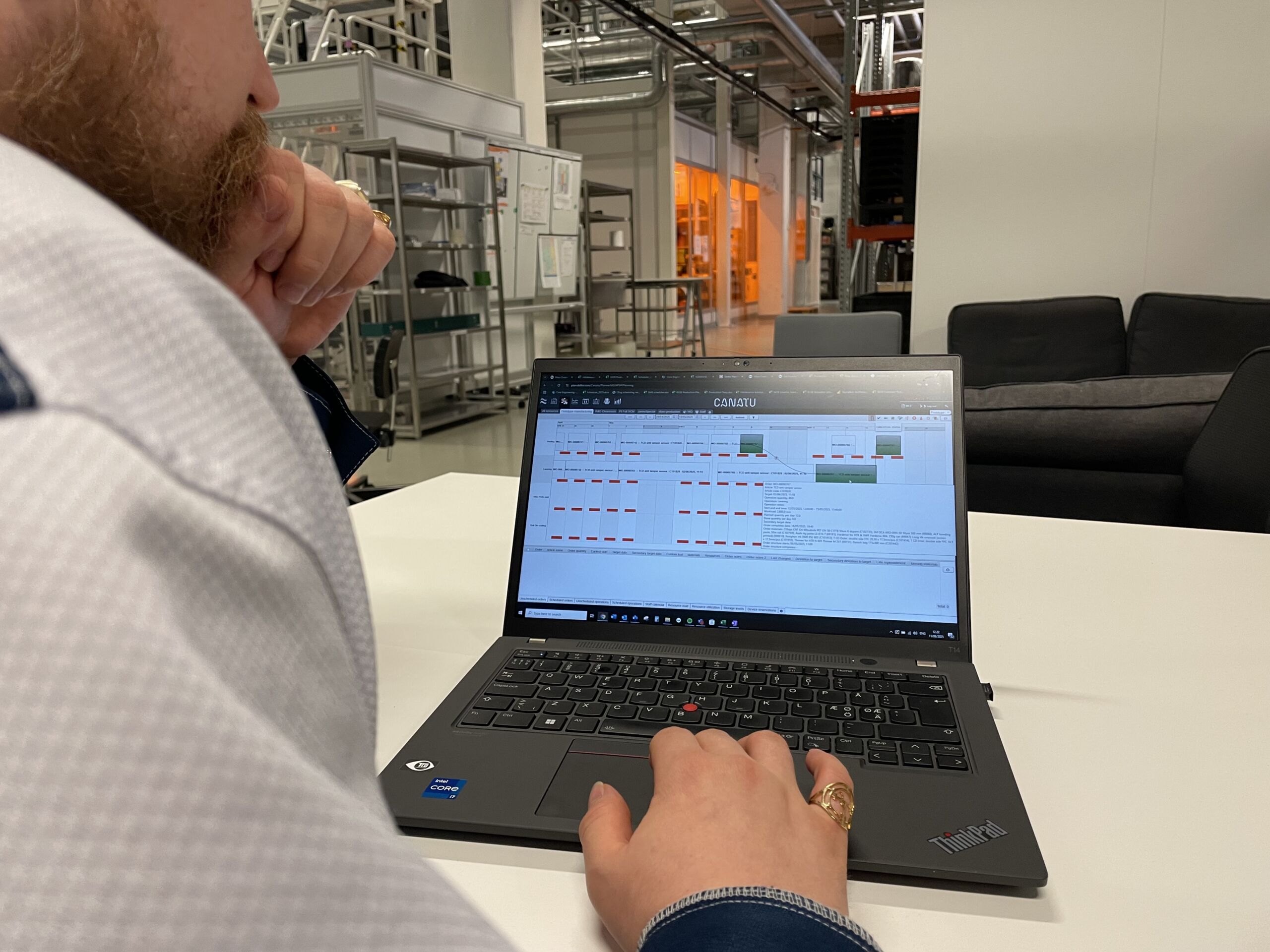
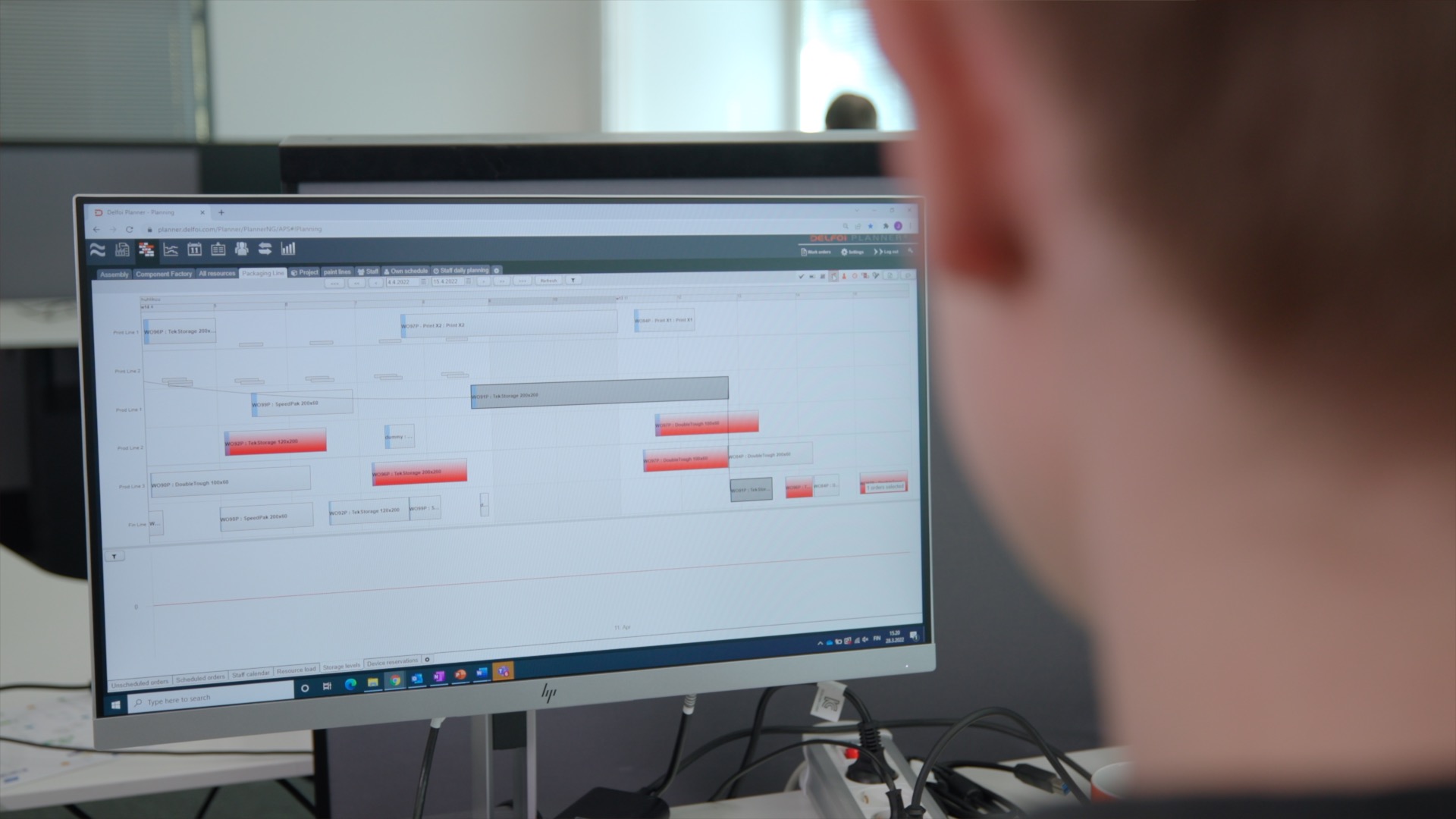
Manufacturers calculate delivery dates based on real capacity by checking what production resources are actually available at the time of the order, not what they could theoretically handle under ideal conditions. This means accounting for existing job queues, machine availability, shift patterns, and material lead times before committing to a date. The sections below unpack the specific inputs, methods, and failure points that determine whether your promised dates hold.
What data inputs are needed to calculate accurate delivery dates?
Accurate delivery date calculation requires four core data inputs: current work-in-progress on each resource, confirmed order backlog, available capacity per time period (shifts, machines, people), and material or component lead times. Without all four, any date you give a customer is an estimate built on assumptions rather than reality.
Each input plays a distinct role. Work-in-progress tells you how loaded a resource already is before the new order enters the queue. The confirmed backlog shows you what is already committed. Available capacity defines the upper boundary of what can be produced in a given window. Material lead times set the earliest possible start date for production, regardless of how free your machines are.
Operational constraints matter just as much as the headline numbers. Sequence-dependent setup times, operator skill requirements, maintenance windows, and subcontractor turnaround times all affect when a job can realistically start and finish. Production planning that ignores these details will produce dates that look reasonable on paper but fall apart on the shop floor.
How does finite capacity scheduling differ from infinite capacity planning?
Finite capacity scheduling limits the work assigned to each resource to what it can actually complete within a given time period. Infinite capacity planning places orders into a schedule without enforcing those limits, effectively assuming every resource can absorb any workload. The practical difference is significant: infinite planning produces optimistic dates that frequently miss, while finite scheduling produces dates that reflect real constraints.
In infinite capacity planning, a machine that is already running at full load for the next two weeks can still be assigned new work starting tomorrow. The system does not flag the conflict. Planners or customers discover the problem only when the job is late.
Finite capacity scheduling prevents this by treating each resource as a constrained bucket. New orders queue behind existing commitments and are scheduled into the first genuinely available slot. The result is a delivery date derived from the capacity you actually have, which means quotes hold rather than drift. This is the core logic behind reliable, capacity-based delivery dates in manufacturing.
What is available-to-promise and how does it work in manufacturing?
Available-to-promise (ATP) is a real-time calculation that tells sales or customer service exactly how much production capacity and inventory can be committed to a new order without disrupting existing commitments. It works by subtracting confirmed demand from projected supply across a forward-looking time horizon, leaving a visible picture of what can genuinely be promised.
In practice, a customer calls asking for 50 units by a specific date. The ATP calculation checks current stock, scheduled production runs, and already-committed orders. If the numbers support the request, the system confirms the date. If they do not, it returns the earliest date when 50 units can realistically be available.
ATP becomes significantly more powerful when it is connected to finite capacity scheduling rather than theoretical capacity. A system that knows your actual machine availability, current queue depth, and material status can generate an ATP response in seconds rather than requiring a planner to manually check every constraint. This is what separates manufacturers who can give confident delivery confirmations from those who have to call the customer back.
Why do delivery dates fail even when capacity looks available?
Delivery dates fail when the capacity calculation ignores hidden constraints that are not reflected in the headline numbers. The most common causes are unplanned downtime, material shortages that were not visible at the time of promising, shared resources that are double-counted across multiple orders, and schedule changes on existing jobs that push new work back.
Another frequent failure point is the gap between planning and execution. A schedule may be correct when it is built, but shop floor reality diverges from the plan within hours. If the planning system is not updated continuously, the dates it provides become increasingly fictional as the day progresses.
Human workarounds compound the problem. When planners lack confidence in the system, they add buffer time informally, or they accept orders they are not sure they can fulfill because the pressure to win business outweighs the risk of a late delivery. Both behaviors erode the reliability of the date calculation over time. The underlying issue is almost always that promise dates are built on theoretical capacity rather than a live picture of actual resource availability.
How can manufacturers give customers real-time delivery confirmations?
Manufacturers can give real-time delivery confirmations by connecting their order entry process directly to a live production schedule that reflects current capacity, queue status, and material availability. When a new order arrives, the system calculates the earliest completion date against actual constraints and returns a confirmed date instantly, without requiring a planner to intervene manually.
This requires three things to be in place simultaneously: a scheduling engine that enforces finite capacity, data that is current enough to be trusted (ideally updated from the shop floor in near real time), and an integration between the scheduling system and the customer-facing order process.
We work with manufacturers to build exactly this kind of connected planning environment. When the scheduling layer has accurate, up-to-date information about what is running, what is queued, and what is available, the confirmation a customer receives reflects production reality rather than a best guess. That shift from reactive to proactive delivery promising is one of the most direct ways manufacturers improve customer trust and reduce the operational cost of managing late orders.
When should manufacturers recalculate delivery dates after order confirmation?
Manufacturers should recalculate delivery dates whenever a significant event changes the assumptions behind the original promise. The most important triggers are unplanned machine downtime, material delays, rush orders that jump the queue, cancellations that free up capacity, and significant changes to the scope or quantity of an existing order.
Waiting until a job is already late to recalculate is the most costly approach. By that point, the customer has already built their own plans around the original date, and the disruption cascades. Proactive recalculation, triggered by real events as they happen, gives manufacturers the option to communicate early and adjust before the impact reaches the customer.
The practical challenge is that manual recalculation is slow and resource-intensive, which is why many manufacturers only do it periodically rather than continuously. Automated rescheduling, where the planning system responds to shop floor events and updates affected order dates automatically, removes that friction. It also gives planners a clear view of which customer commitments are at risk at any given moment, so they can prioritize the conversations that matter most. Contact us to discuss your planning challenges and find out how automated rescheduling can work in your environment.