SAP capacity optimization involves maximizing production efficiency by balancing available resources with demand requirements within your SAP system. It ensures optimal utilization of machinery, personnel, and materials while minimizing bottlenecks and idle time. Effective optimization requires advanced planning tools that work seamlessly with your existing SAP infrastructure to provide real-time visibility and intelligent scheduling capabilities.
What does SAP capacity optimization actually mean for manufacturing companies?
SAP capacity optimization is the process of aligning production resources with demand to achieve maximum efficiency and profitability. It involves balancing machine capacity, workforce availability, and material flow to meet customer requirements while minimizing waste and operational costs.
Manufacturing companies use capacity optimization to prevent overproduction, reduce inventory costs, and improve delivery performance. The process requires accurate demand forecasting, resource planning, and real-time monitoring of production constraints. When properly implemented, it enables manufacturers to respond quickly to market changes and customer demands.
Modern capacity optimization goes beyond basic resource allocation. It incorporates advanced algorithms that consider multiple variables simultaneously, including setup times, quality requirements, maintenance schedules, and supply chain constraints. This comprehensive approach helps manufacturers identify the most efficient production sequences and resource assignments.
Why do manufacturers struggle with SAP’s built-in capacity planning features?
SAP’s standard capacity planning tools often lack the advanced scheduling algorithms needed for complex manufacturing environments. They typically use infinite capacity planning, which does not account for realistic production constraints, leading to unrealistic schedules and frequent disruptions.
The built-in features struggle with finite capacity scheduling, where multiple resources must be coordinated simultaneously. SAP’s standard approach often creates schedules that look feasible on paper but prove impossible to execute on the shop floor. This disconnect between planning and reality causes production delays and increased costs.
Another significant limitation is the lack of real-time optimization capabilities. Standard SAP systems require manual intervention to reschedule when disruptions occur, making it difficult to maintain optimal capacity utilization. The system also struggles with complex routing alternatives and does not automatically select the most efficient production paths.
How does Delfoi Planner enhance SAP without replacing your existing system?
Delfoi Planner integrates directly with SAP ERP and S/4HANA to provide advanced production planning capabilities while maintaining your existing data structures and workflows. It enhances rather than replaces your SAP investment, adding sophisticated scheduling algorithms and real-time optimization features.
The integration works by extracting production data from SAP, applying advanced optimization algorithms, and returning optimized schedules to your SAP system. This seamless connection ensures data consistency and eliminates the need for duplicate data entry or system switching.
Our solution preserves your existing SAP security settings, user permissions, and reporting structures. Users continue working within familiar SAP interfaces while benefiting from enhanced planning capabilities. The system automatically synchronizes with SAP master data, ensuring all planning decisions are based on current information.
Key integration benefits
The enhancement approach protects your SAP investment while addressing its planning limitations. You maintain existing workflows and user training while gaining access to advanced scheduling capabilities. This reduces implementation risk and accelerates user adoption compared to complete system replacements.
What specific capacity optimization capabilities does Delfoi Planner add to SAP?
Delfoi Planner adds finite capacity scheduling with advanced constraint-based optimization that considers all production limitations simultaneously. It provides real-time rescheduling, alternative routing optimization, and intelligent resource allocation that standard SAP systems cannot deliver.
The system offers advanced scheduling algorithms that handle complex manufacturing scenarios, including setup optimization, campaign planning, and multi-resource coordination. It automatically identifies and resolves capacity conflicts while maintaining production quality and delivery commitments.
Real-time production monitoring enables an immediate response to disruptions. When unexpected events occur, the system automatically recalculates optimal schedules and provides clear guidance on resource reallocation. This capability significantly reduces the impact of production disturbances.
Advanced planning features
- Multi-level capacity planning across production hierarchies
- Automated bottleneck identification and resolution
- Dynamic load balancing between production lines
- Intelligent maintenance scheduling integration
- Quality-based routing and resource selection
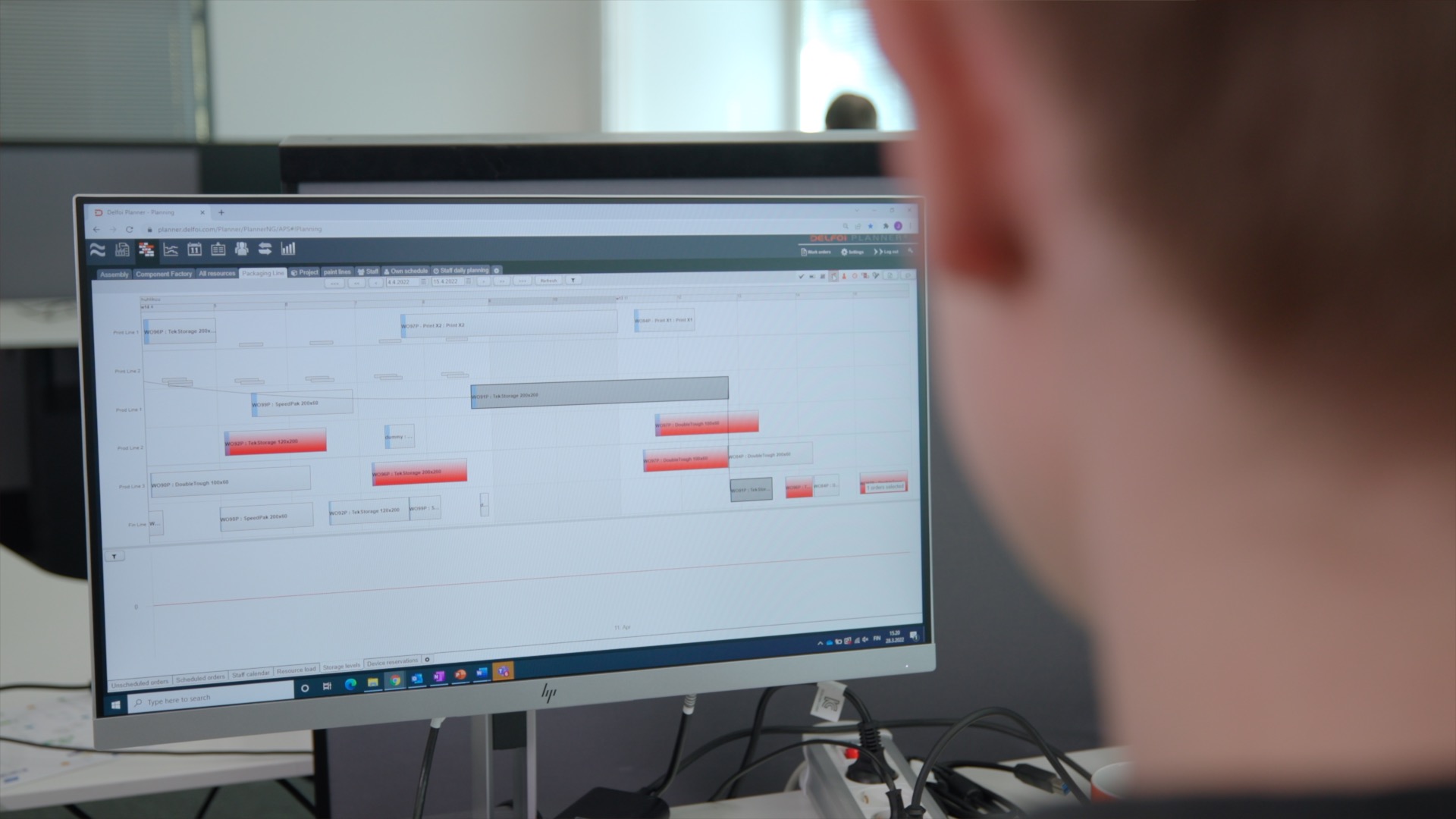
The system also provides advanced analytics and visualization tools that help planners understand capacity utilization patterns and identify improvement opportunities. These insights enable continuous optimization of production processes and resource allocation strategies.
How do you implement advanced capacity optimization with your existing SAP setup?
Implementation begins with data integration setup between Delfoi Planner and your SAP system, followed by configuration of production constraints and optimization parameters. The process typically takes 8–12 weeks and includes user training and gradual rollout phases.
The implementation process starts with analyzing your current SAP configuration and production requirements. Our team maps existing master data, identifies key constraints, and configures optimization parameters specific to your manufacturing environment. This ensures the system understands your unique production challenges.
User training focuses on the enhanced planning capabilities rather than completely new processes. Since the system integrates with familiar SAP interfaces, users can quickly adapt to the improved functionality. The gradual rollout approach allows for fine-tuning and ensures a smooth transition from existing planning methods.
Implementation phases
- System analysis and configuration planning
- Data integration and constraint modeling
- User training and pilot testing
- Gradual rollout with continuous optimization
Post-implementation support includes ongoing optimization of planning parameters and regular system updates. This ensures your capacity optimization capabilities continue improving as your production requirements evolve.
Successful SAP capacity optimization requires combining your existing system’s strengths with advanced planning capabilities that address its limitations. The enhanced approach provides immediate improvements in production efficiency while building a foundation for continuous operational excellence. Manufacturing companies can achieve significant capacity utilization improvements without disrupting established workflows or requiring extensive system changes. To learn more about implementing these solutions, contact our team for consultation.