Manufacturing schedules rarely survive first contact with reality. What starts as a carefully planned production timeline quickly devolves into a constant cycle of rescheduling, delays, and firefighting. This phenomenon of production rescheduling has become so common that many manufacturers accept it as an inevitable part of operations.
However, chronic schedule disruption signals deeper issues in production planning and control systems. Understanding why schedules constantly change and implementing the right strategies can transform chaotic production environments into smooth, predictable operations that deliver on time and within budget.
What is constant production rescheduling, and why is it problematic?
Constant production rescheduling refers to frequent, reactive changes made to manufacturing schedules due to unexpected disruptions, resource conflicts, or poor initial planning. This creates a cycle in which production teams spend more time adjusting plans than executing them.
The problems extend far beyond simple inconvenience. Frequent rescheduling increases production costs by 15–25% through inefficient resource utilization and overtime requirements. It damages customer relationships when delivery promises cannot be kept, often leading to penalty clauses and lost business opportunities.
Manufacturing teams operating in constant rescheduling mode experience higher stress levels and reduced morale. Workers struggle to maintain productivity when priorities change daily, and supervisors spend excessive time communicating new schedules instead of improving processes. The ripple effects touch every aspect of operations, from inventory management to quality control.
What are the main causes of frequent schedule changes in manufacturing?
The primary causes of frequent schedule changes stem from inadequate visibility into production constraints, unrealistic initial planning assumptions, and external supply chain disruptions that cascade through manufacturing operations.
Material shortages rank as the most common trigger for schedule changes. When components arrive late or in insufficient quantities, production planners must shuffle orders to keep lines running. Machine breakdowns create similar disruptions, especially when maintenance schedules are reactive rather than predictive.
Demand volatility compounds these issues. Rush orders from key customers force planners to interrupt existing schedules, while order cancellations leave capacity gaps that require immediate replanning. Quality issues discovered during production can halt entire batches, creating downstream scheduling chaos.
Human factors also play a significant role. Inadequate communication between departments means production schedules are created without full knowledge of constraints. Skill shortages or unexpected absences can render schedules impossible to execute as planned.
How does poor production planning lead to schedule instability?
Poor production planning creates schedule instability by failing to account for realistic capacity constraints, material availability, and operational variability, resulting in overly optimistic schedules that cannot be executed as planned.
Many manufacturers rely on spreadsheet-based planning systems that cannot handle the complexity of modern production environments. These tools lack real-time data integration, making it impossible to see actual capacity utilization or identify bottlenecks before they affect schedules. Planners working with outdated information inevitably create unrealistic timelines.
Inadequate buffer management exacerbates the problem. Schedules built without safety margins collapse at the first sign of disruption. When every minute is allocated, any delay forces a complete reschedule rather than simple adjustments.
The absence of integrated planning across departments creates additional instability. Production schedules created in isolation from procurement, maintenance, and quality control departments often conflict with resource availability and operational requirements.
What tools and methods prevent production rescheduling?
Advanced Planning and Scheduling (APS) systems prevent production rescheduling by providing real-time visibility into capacity constraints, material availability, and production progress, enabling proactive schedule optimization rather than reactive firefighting.
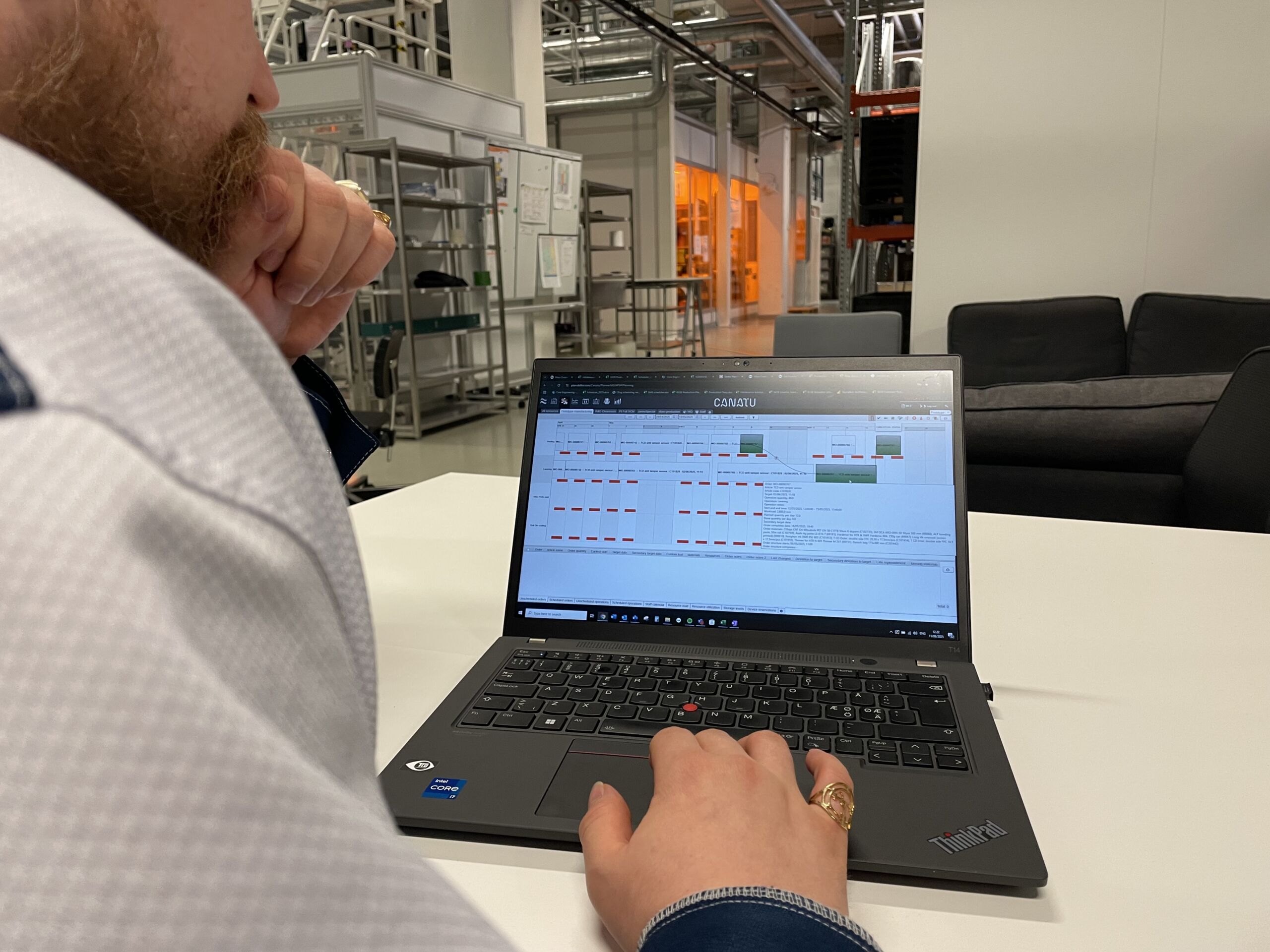
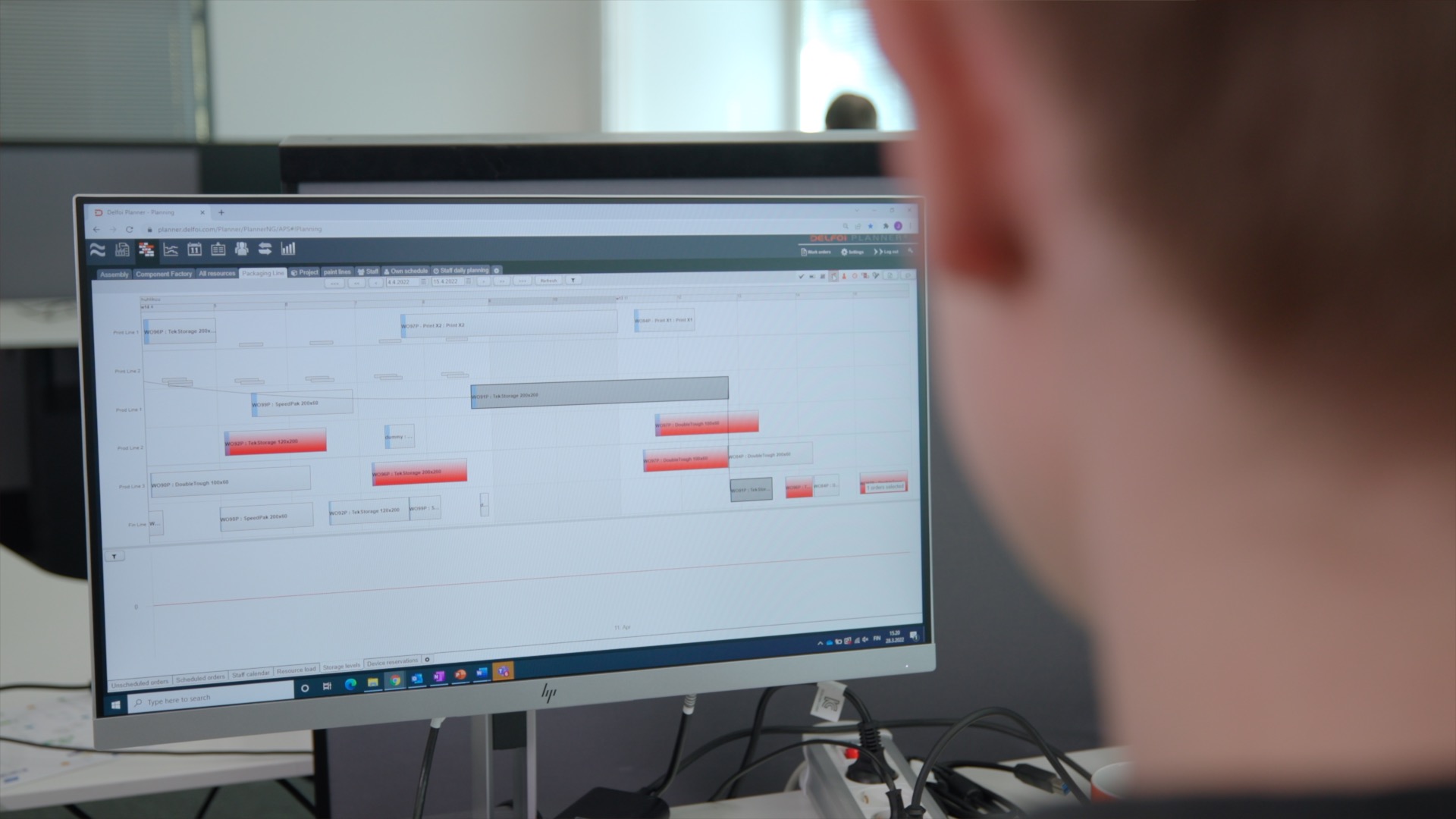
Modern APS solutions such as Delfoi Planner replace traditional spreadsheet-based planning with intelligent scheduling algorithms that consider multiple constraints simultaneously. These systems automatically account for machine capacity, workforce availability, material requirements, and skill sets when creating schedules.
Real-time production monitoring through Manufacturing Execution Systems (MES) provides immediate feedback on schedule adherence. When deviations occur, these systems alert planners before problems cascade through the entire schedule. This early-warning capability enables minor adjustments instead of major reschedules.
Integrated demand forecasting helps stabilize schedules by improving visibility into future requirements. When sales and operations planning processes align demand predictions with production capacity, schedules become more resilient to market fluctuations.
Visual scheduling tools using Gantt charts and drag-and-drop interfaces enable rapid scenario planning. Planners can quickly evaluate the impact of changes and optimize schedules without disrupting the entire production flow.
How do you build resilient production schedules that resist disruption?
Resilient production schedules are built by incorporating realistic buffers, maintaining flexible capacity allocation, and establishing clear priority rules that guide decision-making when disruptions occur.
Strategic buffer placement protects critical-path activities without inflating overall lead times. Rather than adding time to every operation, place buffers at constraint operations and before customer delivery dates. This approach maintains schedule integrity while minimizing total production time.
Cross-training workers and maintaining flexible equipment setups reduce schedule vulnerability to resource constraints. When multiple operators can handle different processes, temporary shortages become manageable adjustments rather than schedule-breaking crises.
Establishing clear scheduling priorities prevents chaos when changes become necessary. Define rules for handling rush orders, quality holds, and equipment failures before these situations arise. This enables consistent, rational decision-making under pressure.
Regular schedule reviews and updates keep plans aligned with reality. Weekly planning cycles that incorporate actual performance data and updated forecasts maintain schedule accuracy without constant emergency adjustments.
We’ve seen manufacturers reduce schedule changes by up to 70% by implementing comprehensive APS production scheduling and optimization solutions that combine intelligent scheduling algorithms with real-time production feedback. The key lies in moving from reactive rescheduling to proactive schedule management that anticipates and prevents disruptions before they affect operations. To learn more about implementing these solutions in your facility, contact our experts for personalized guidance.