Manufacturing companies worldwide rely heavily on spreadsheets for production planning, often viewing them as a cost-effective solution. However, beneath the surface of this seemingly simple approach lies a web of hidden expenses that can significantly impact operational efficiency and profitability. These costs extend far beyond the obvious challenges of manual data entry and version control.
Understanding the true financial impact of spreadsheet-based production planning is crucial for manufacturers seeking to optimize their operations. The hidden costs manifest in various forms, from wasted labor hours to missed delivery deadlines, creating a compelling case for evaluating more sophisticated planning solutions.
What are the hidden costs of using spreadsheets for production planning?
The hidden costs of spreadsheet-based production planning include excessive time spent on manual data entry, frequent errors that lead to production delays, a lack of real-time visibility that causes inventory issues, and an inability to optimize capacity utilization. These inefficiencies typically cost manufacturers 15–25% of their potential productivity.
One of the most significant hidden expenses is the opportunity cost of having skilled production planners spend hours manipulating data instead of focusing on strategic decision-making. When planners dedicate 60–70% of their time to data maintenance rather than analysis, companies lose valuable insights that could improve their competitive position.
Version control problems create another substantial layer of cost. When multiple team members work with different spreadsheet versions, coordination errors become inevitable. These mistakes often result in overproduction, stockouts, or rush orders that inflate material and logistics costs. The ripple effects extend to customer relationships, where delivery delays can damage long-term partnerships and future revenue opportunities.
Integration challenges with existing ERP systems also generate hidden expenses. Manual data transfer between systems increases the risk of transcription errors and creates delays in information flow. This disconnect prevents organizations from achieving the real-time operational transparency needed for effective change management and a rapid response to market fluctuations.
Why do spreadsheets fail at modern production planning?
Spreadsheets fail at modern production planning because they cannot handle capacity-constrained scheduling, lack real-time data integration, and provide no visual project management capabilities. Modern manufacturing requires dynamic optimization and instant communication between production floors and planning offices—capabilities spreadsheets simply cannot deliver.
The fundamental limitation lies in spreadsheets’ static nature. Manufacturing environments are dynamic, with constantly changing priorities, material availability, and capacity constraints. While advanced planning systems can automatically reschedule production based on real-time inputs, spreadsheets require manual updates that often lag behind actual conditions.
Collaborative planning presents another critical failure point. Modern production planning involves multiple stakeholders across departments, from sales forecasting to materials procurement. Spreadsheets cannot facilitate the seamless information sharing and coordinated decision-making that today’s interconnected operations demand.
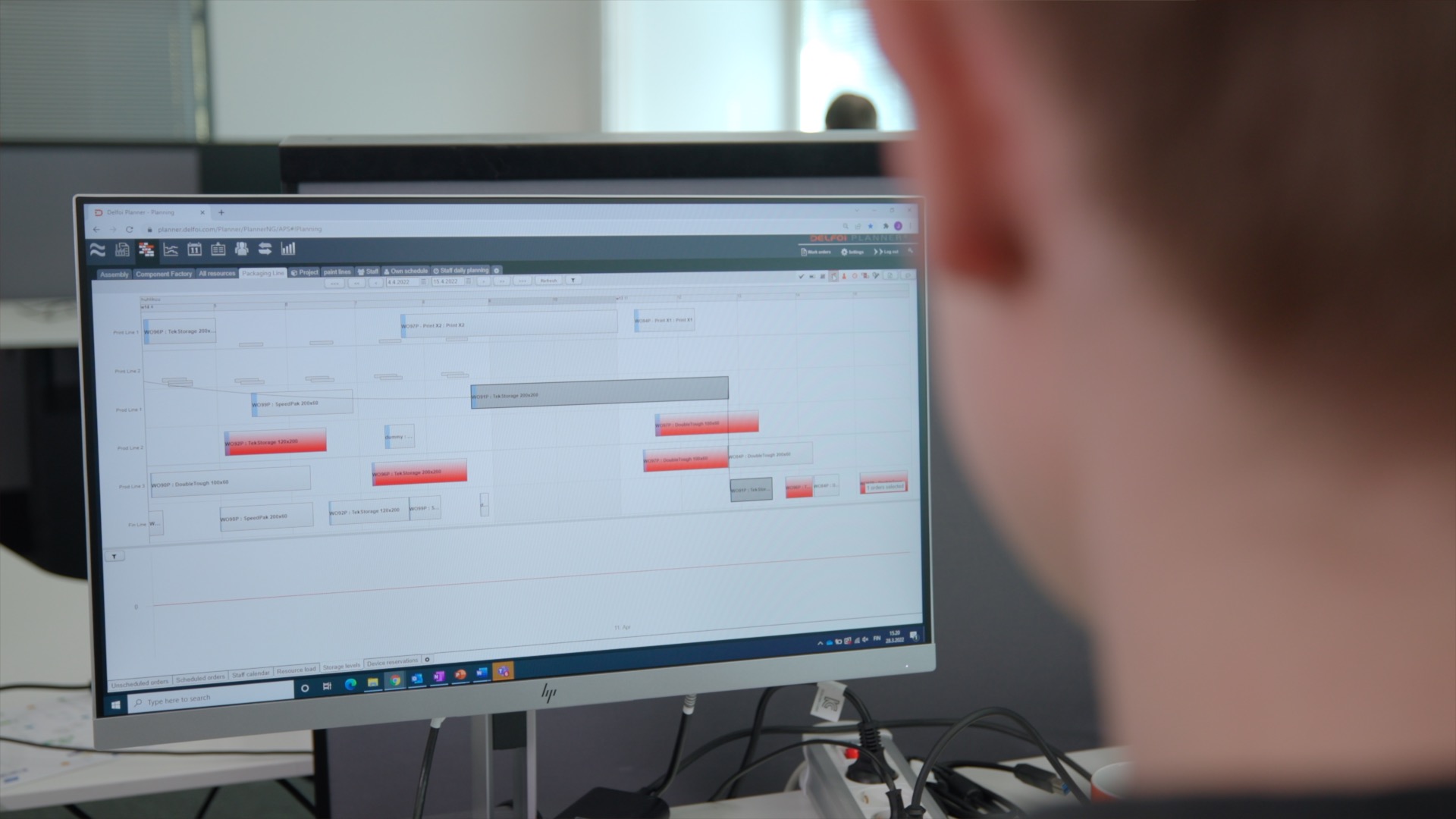
Visual planning capabilities represent a crucial gap in spreadsheet-based approaches. Production planners need Gantt charts and capacity utilization views to identify bottlenecks and optimize resource allocation. The inability to visualize complex scheduling scenarios limits planners’ ability to make informed decisions quickly, especially when managing multiple projects or handling rush orders.
How much time do manufacturers waste on spreadsheet maintenance?
Manufacturers typically waste 40–60% of their production planning time on spreadsheet maintenance activities, including data entry, formula updates, version control, and error correction. This translates to 16–24 hours per week for a full-time planner, representing a significant drain on productive capacity.
Data collection and entry consume the largest portion of this wasted time. Planners must manually gather information from various sources, including ERP systems, production reports, and sales forecasts. This process not only takes hours but also introduces multiple opportunities for human error, which then requires additional time to identify and correct.
Formula maintenance becomes increasingly complex as production requirements evolve. Adding new product lines, changing capacity constraints, or modifying scheduling rules often requires extensive spreadsheet restructuring. These updates can take days to implement and test, during which planning accuracy suffers.
The time investment in spreadsheet maintenance grows exponentially with business complexity. Companies with multiple production lines, varying shift patterns, or seasonal demand fluctuations find that their planning spreadsheets become unwieldy and consume more time than they save. This maintenance burden often forces organizations to oversimplify their planning approach, sacrificing optimization opportunities for manageable complexity.
What production planning mistakes happen most with spreadsheets?
The most common spreadsheet-based production planning mistakes include capacity overallocation, material shortage oversights, scheduling conflicts between orders, and failure to account for setup times. These errors typically stem from an inability to perform real-time constraint checking and automatic conflict resolution.
Capacity overallocation occurs when planners manually assign more work to resources than they can handle within available time frames. Without automated capacity checking, these conflicts often go unnoticed until production begins, leading to delays and rushed decision-making. The problem compounds when planners work with outdated capacity information or fail to account for maintenance schedules and employee availability.
Material availability errors represent another frequent pitfall. Spreadsheets cannot automatically verify component availability against current inventory levels or incoming deliveries. This disconnect leads to production schedules that look feasible on paper but prove impossible to execute, resulting in production stoppages and expedited material orders.
Setup time miscalculations create significant efficiency losses. Manufacturing operations often require specific sequences to minimize changeover times, but spreadsheets lack the optimization algorithms needed to identify optimal production sequences. Manual sequence planning frequently overlooks these opportunities, leading to unnecessary setup time and reduced throughput.
How do you calculate the ROI of switching from spreadsheets?
Calculate the ROI of replacing spreadsheets by measuring time savings from automated planning, reduced error-related costs, improved delivery performance, and increased capacity utilization. Most manufacturers see a 200–400% ROI within the first year through labor cost reductions and operational efficiency gains.
Start by quantifying current spreadsheet-related costs. Document the hours spent on planning activities, including data entry, schedule updates, and error correction. Multiply these hours by fully loaded labor rates to establish your baseline cost. Include indirect costs such as expedited shipping fees, overtime premiums, and customer service time spent managing delivery issues.
Next, estimate the productivity gains from automated planning systems. Advanced planning solutions can reduce planning time by 70–80% while improving schedule accuracy. Calculate the value of redirecting planner time toward strategic activities such as process improvement and demand analysis. Factor in the operational improvements from better capacity utilization and reduced setup times.
Consider the competitive advantages of improved delivery performance and customer service. Reliable delivery schedules strengthen customer relationships and can support premium pricing strategies. Enhanced operational transparency also enables better sales forecasting and inventory optimization, reducing working capital requirements and improving cash flow.
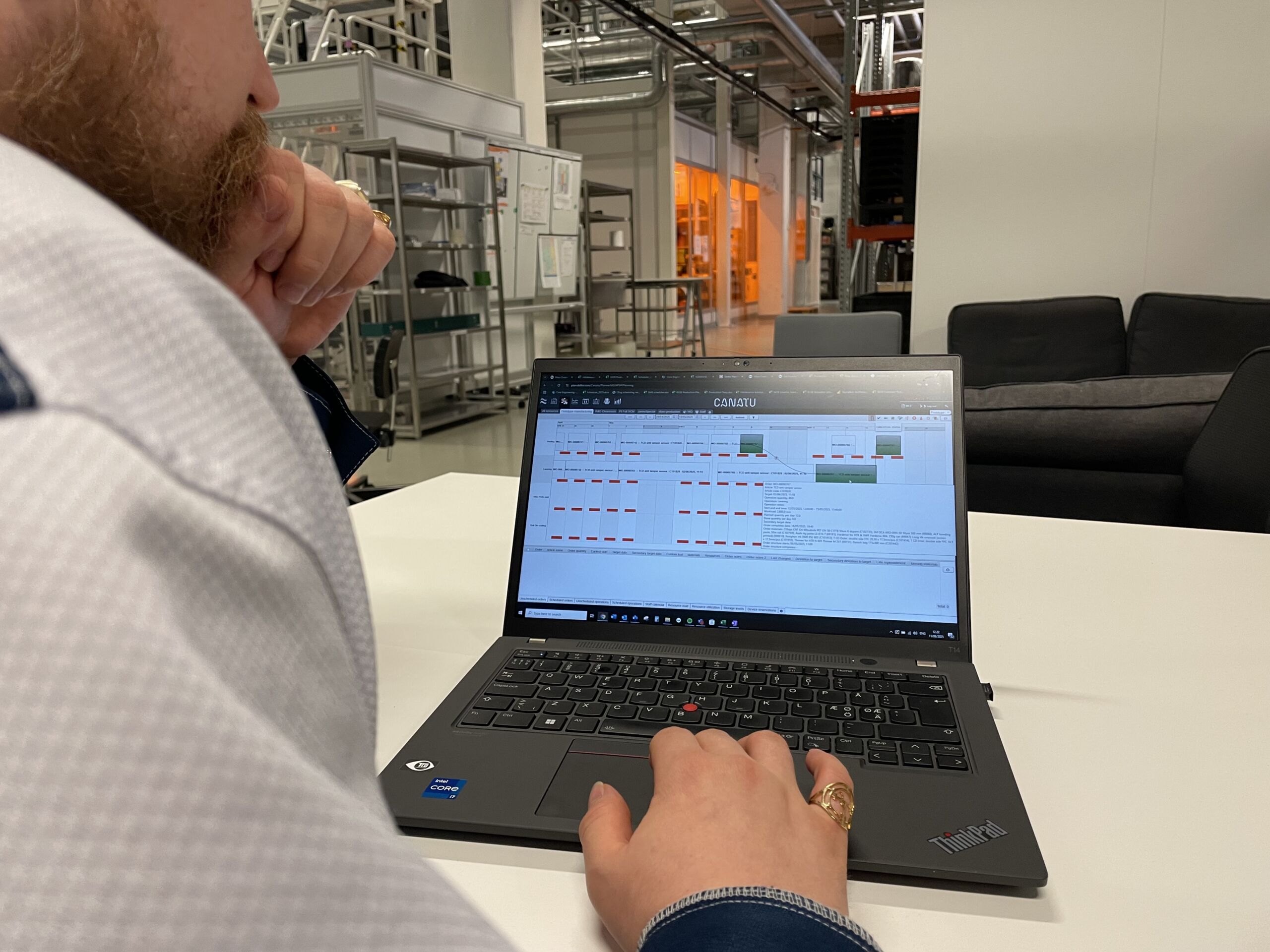
We have seen manufacturers achieve substantial returns by implementing modern planning solutions such as Delfoi Planner, which replaces spreadsheet-based approaches with web-based, visual planning tools. The system enables capacity-constrained scheduling, real-time production tracking, and seamless integration with existing ERP systems, delivering the transparency and agility that modern manufacturing demands. For more information about how these solutions can transform your production planning, contact our specialists today.