Manufacturing lead times directly impact customer satisfaction, operational costs, and competitive advantage. While many companies assume that reducing lead times requires significant capacity investments, the reality is that most manufacturers can achieve substantial improvements through smarter planning, process optimization, and better resource utilization. Understanding how to streamline production without adding equipment or personnel opens cost-effective pathways to enhanced manufacturing efficiency.
The key lies in identifying and eliminating inefficiencies that create unnecessary delays throughout the production process. By focusing on production optimization strategies that maximize existing resources, manufacturers can achieve faster turnaround times while maintaining quality standards and controlling costs.
What Are Lead Times in Manufacturing and Why Do They Matter?
Lead times in manufacturing represent the total time required from order placement to product delivery, encompassing all production stages, including planning, material procurement, processing, and shipping. Lead times directly affect customer satisfaction, inventory costs, cash flow, and competitive positioning in the marketplace.
Manufacturing lead times consist of several components that work together to determine overall delivery performance. Queue time represents periods when orders wait for available capacity, while setup time covers machine preparation between different products. Processing time includes actual manufacturing operations, and move time accounts for transportation between production stages.
Shorter lead times provide significant competitive advantages in today’s fast-paced market environment. Companies with optimized lead times can respond more quickly to customer demands, reduce inventory carrying costs, and improve cash flow through faster order-to-cash cycles. Manufacturing efficiency improvements that reduce lead times also enhance customer loyalty by consistently meeting delivery expectations.
How Can You Identify Bottlenecks That Increase Lead Times?
Production bottlenecks are identified by analyzing workflow patterns, measuring cycle times at each production stage, monitoring queue lengths, and tracking resource utilization rates across the entire manufacturing process. The bottleneck is typically the stage with the highest utilization rate and the longest queue times.
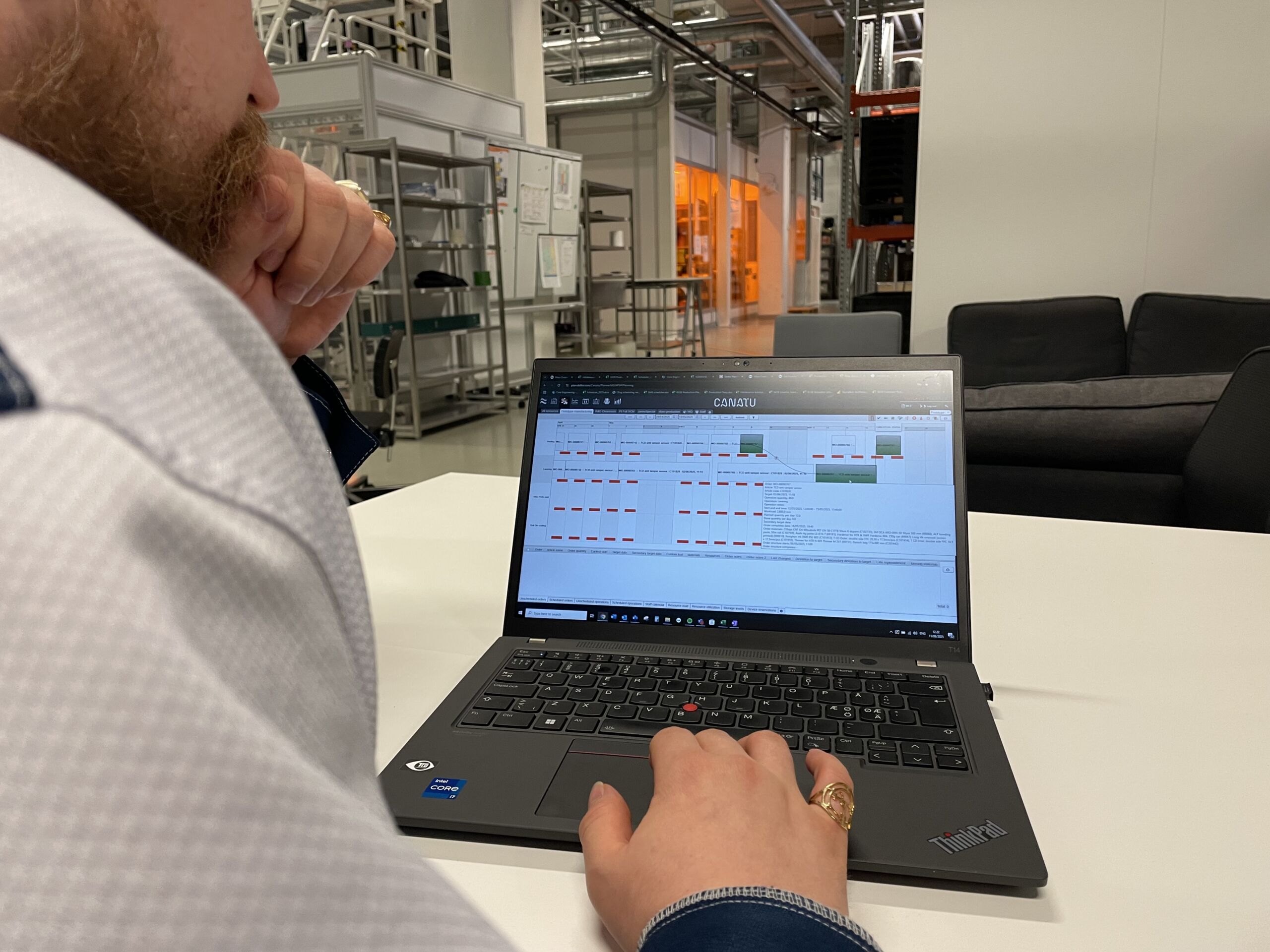
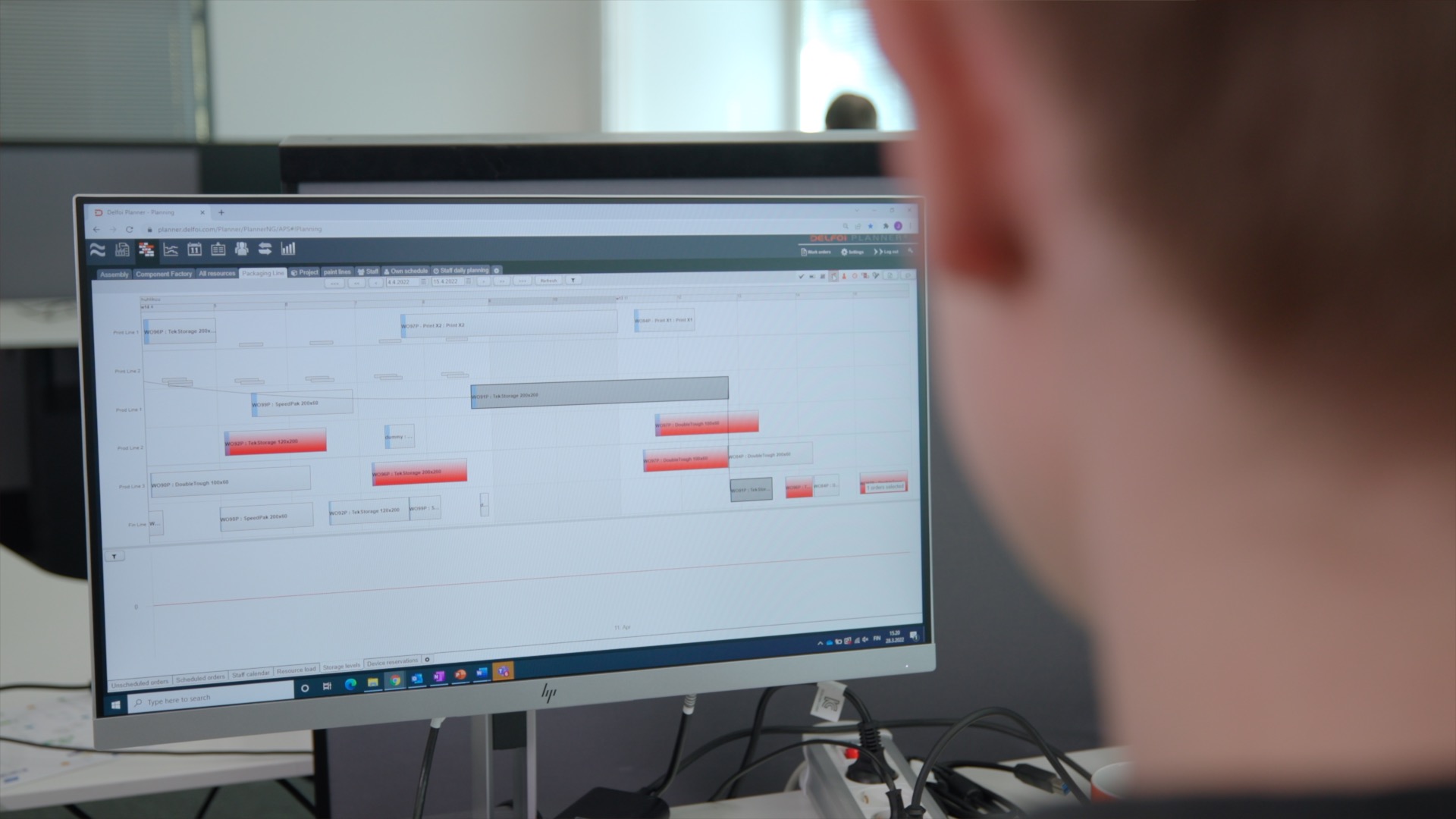
Visual management tools provide immediate insights into production flow disruptions. Gantt charts and production dashboards reveal where work accumulates and which resources consistently operate at maximum capacity. Material flow analysis helps identify whether bottlenecks stem from equipment limitations, skill shortages, or material availability issues.
Data collection plays a crucial role in bottleneck identification. Track work-in-progress levels, measure actual versus planned cycle times, and monitor equipment downtime patterns. Production planning software can automate this analysis, highlighting capacity constraints and workflow inefficiencies that contribute to extended lead times.
What Process Improvements Reduce Lead Times Most Effectively?
The most effective process improvements for lead time reduction include batch size optimization, setup time reduction, workflow standardization, and the elimination of non-value-added activities. These lean manufacturing principles can reduce lead times by 30-50% without requiring additional capacity investments.
Batch size optimization involves producing smaller quantities more frequently rather than large batches infrequently. This approach reduces queue times and improves responsiveness to demand changes. Setup time reduction through quick-changeover techniques enables more frequent product switches without productivity losses.
Workflow standardization eliminates variation in production processes, reducing uncertainty and improving predictability. Standard operating procedures ensure consistent cycle times and quality outcomes. Process improvement initiatives should focus on eliminating waste in the form of waiting time, excess motion, overproduction, and defects that require rework.
Implementing Continuous Flow Principles
Continuous-flow manufacturing minimizes work-in-progress inventory and reduces handling between operations. Single-piece flow or small-batch processing keeps products moving through production stages without accumulating in queues. This approach significantly reduces overall lead times while improving quality control.
How Does Better Production Planning Cut Lead Times?
Better production planning reduces lead times by optimizing resource allocation, improving schedule accuracy, enabling proactive bottleneck management, and synchronizing material availability with production requirements. Advanced planning systems can reduce lead times by 20-40% through intelligent scheduling and capacity optimization.
Capacity-constrained planning ensures realistic schedules that account for actual resource availability rather than infinite-capacity assumptions. This approach prevents overloading critical resources and reduces queue times throughout the production system. Material requirements planning synchronized with production schedules eliminates delays caused by component shortages.
We have seen manufacturers achieve significant lead time improvements through intelligent production planning solutions. Modern planning systems such as Delfoi Planner enable visual scheduling, real-time capacity analysis, and automated optimization that identifies the most efficient production sequences while considering all constraints.
Real-Time Planning Adjustments
Dynamic replanning capabilities allow manufacturers to respond quickly to disruptions without compromising delivery commitments. When equipment failures or material delays occur, advanced planning systems can automatically reschedule remaining operations to minimize the overall impact on lead times.
What Role Does Technology Play in Lead Time Reduction?
Technology reduces manufacturing lead times through automated scheduling, real-time production monitoring, predictive maintenance, and integrated planning systems that optimize resource utilization and eliminate manual planning delays. Digital solutions can cut planning time from hours to minutes while improving schedule accuracy.
Manufacturing execution systems provide real-time visibility into production progress, enabling an immediate response to delays or quality issues. Automated data collection eliminates manual reporting delays and provides accurate information for decision-making. Integration between planning and execution systems ensures that schedules remain current and achievable.
APS production scheduling and optimization software optimizes production sequences by considering multiple constraints simultaneously. These systems can evaluate thousands of scheduling scenarios in seconds, identifying optimal solutions that minimize lead times while maximizing resource efficiency. Digital transformation in manufacturing enables continuous optimization rather than periodic planning cycles.
Predictive analytics help prevent disruptions before they impact lead times. By analyzing historical patterns and real-time data, manufacturers can anticipate potential bottlenecks and take proactive measures to maintain production flow. This technological approach transforms reactive manufacturing into predictive, optimized operations that consistently deliver shorter lead times. For more information about implementing these solutions in your manufacturing operations, contact our team of experts.