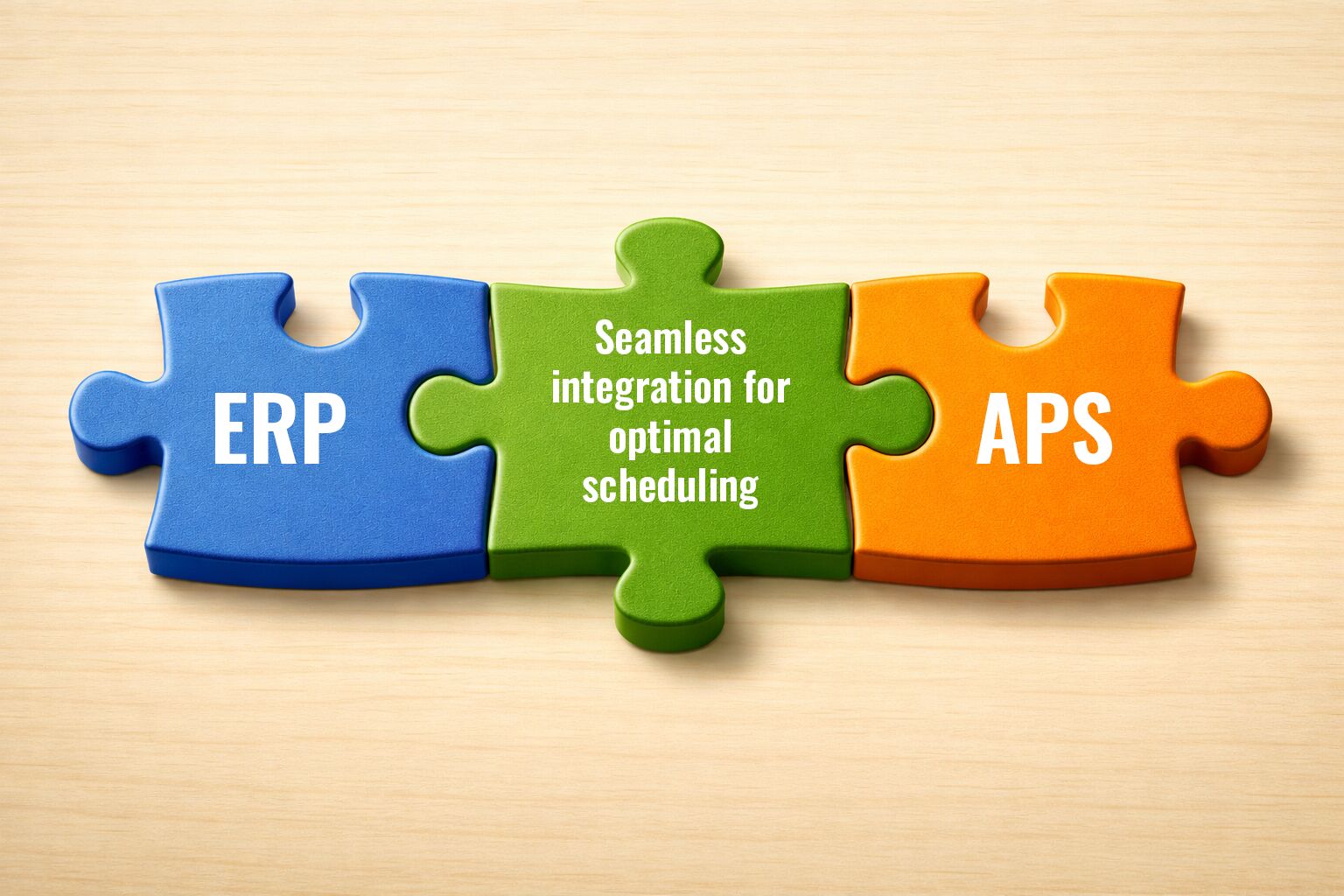
Improving SAP production visibility in 2026 requires enhancing your existing ERP system with advanced planning and scheduling capabilities rather than replacing it entirely. Modern manufacturers achieve this through integrated solutions that connect seamlessly with SAP S/4HANA and ECC, providing real-time dashboards, visual scheduling tools, and comprehensive production monitoring. These enhancements transform static SAP data into actionable insights for better decision-making.
What does SAP production visibility actually mean in modern manufacturing?
SAP production visibility refers to real-time access to comprehensive production data, resource utilization, and operational performance directly integrated with your ERP system. Unlike traditional SAP reporting that shows historical data, modern production visibility provides live insights into current operations, bottlenecks, and scheduling conflicts as they happen.
This enhanced visibility goes beyond basic SAP transaction reports to include visual representations of production flows, capacity utilization, and material availability. Real-time production monitoring allows planners to see exactly what is happening on the shop floor, identify potential issues before they impact delivery, and make informed decisions quickly.
The evolution from standard SAP reporting to integrated visibility solutions represents a significant shift in how manufacturers manage their operations. Modern systems layer intelligent visualization and advanced analytics on top of SAP master data, creating a comprehensive view that connects planning decisions with actual production outcomes.
Why do manufacturers struggle with SAP production visibility limitations?
Standard SAP systems often create data silos where production information remains trapped in complex transaction codes and reports that require technical expertise to interpret. This leads to delayed decision-making when planners need immediate answers about capacity, material availability, or schedule conflicts.
The primary challenge lies in SAP’s design as a comprehensive ERP system rather than a specialized production planning tool. While excellent for managing business processes and data integrity, standard SAP lacks the visual, intuitive interfaces that production planners need for quick decision-making. Limited real-time insights mean that by the time issues are identified through standard reports, they have often already impacted production schedules.
Many manufacturers also struggle with the gap between high-level SAP planning and detailed shop floor execution. Standard SAP production scheduling often lacks the granularity needed for effective capacity management, resource optimization, and quick responses to changing priorities or unexpected disruptions.
How can integrated planning solutions enhance SAP without replacing it?
Modern planning solutions work as intelligent layers on top of SAP ERP and S/4HANA systems, accessing master data through standard interfaces while providing advanced visualization and scheduling capabilities. These SAP enhancement tools maintain full integration with your existing ERP infrastructure without requiring system replacement or major customization.
The integration approach focuses on data synchronization rather than data migration. Planning solutions such as advanced production scheduling systems read directly from SAP tables and databases, ensuring that all decisions are based on current, accurate information. Changes made in the planning system can be written back to SAP, maintaining data consistency across all systems.
This enhancement model preserves your SAP investment while addressing its production planning limitations. You retain all the benefits of SAP’s robust business process management, financial integration, and data integrity while gaining the visual, responsive planning capabilities needed for modern manufacturing environments.
What are the key features to look for in SAP production visibility solutions?
Effective manufacturing visibility solutions should provide intuitive, visual dashboards that transform complex SAP data into easily understood production insights. Look for drag-and-drop scheduling capabilities that allow planners to quickly adjust production sequences while automatically checking capacity and material constraints against SAP data.
Essential features include real-time bottleneck identification that highlights capacity constraints and resource conflicts as they develop. The solution should offer what-if simulation capabilities, allowing planners to test different scenarios before committing to schedule changes. Advanced scheduling visualization helps teams understand the impact of decisions across the entire production network.
Seamless ERP data integration is crucial: the solution should work with standard SAP interfaces, minimizing custom development requirements. Look for systems that provide shop floor visibility tools, giving production teams clear visual control over work progress and performance metrics while maintaining connection to SAP master data and business processes.
How do you implement enhanced production visibility in SAP environments?
Implementation begins with a thorough assessment of your current SAP configuration, identifying which master data, production orders, and capacity information will be integrated with the enhanced planning system. This assessment ensures that the solution aligns with your existing SAP processes and data structures.
The integration planning phase focuses on mapping data flows between SAP and the enhancement solution, establishing synchronization schedules, and defining which planning decisions will be written back to SAP. Production scheduling software implementation typically uses standard SAP interfaces, reducing the need for extensive custom development while maintaining system integrity.
User training considerations are essential, as the enhanced system will provide new capabilities and interfaces that planning teams need to master. Best practices include starting with pilot implementations, gradually expanding functionality, and ensuring that all changes maintain SAP system integrity. Regular testing of data synchronization and integration points helps maintain reliable operation across both systems.
Successful SAP production optimization through enhanced visibility requires careful planning, proper integration, and effective user adoption strategies. The goal is to create a seamless experience in which planners can access the visual, responsive tools they need while maintaining the robust business process foundation that SAP provides. This approach delivers immediate improvements in planning efficiency while preserving long-term system stability and data integrity. For more information about implementing these solutions in your organization, contact our experts today.