In today’s dynamic manufacturing landscape, effective planning plays a pivotal role in enhancing the clarity of operations. By aligning resources and timelines with production goals, companies ensure a more transparent process flow. This transparency is crucial for identifying bottlenecks, optimizing resource allocation, and improving communication across departments. At Delfoi, we specialize in providing advanced planning solutions that not only streamline production but also enhance visibility and real-time insights, making operational transparency a tangible reality.
What is production planning in manufacturing?
Production planning is a strategic approach in manufacturing that involves organizing resources, scheduling tasks, and aligning operations to meet production goals efficiently. It incorporates various components like demand forecasting, resource allocation, and scheduling to ensure that production processes run smoothly. The primary purpose is to optimize workflow, reduce waste, and improve the overall productivity of the manufacturing process. Effective production planning is essential for maintaining competitiveness and profitability in the industry.
How does production planning enhance operational transparency?
Through strategic planning, manufacturers gain clearer visibility into their operations, enabling them to make informed decisions. This improvement is achieved by providing real-time data access and fostering better communication between departments. Streamlined processes ensure that all stakeholders have access to up-to-date information, reducing misunderstandings and inefficiencies. Operational transparency is thus significantly enhanced, allowing companies to quickly adapt to changes and maintain high levels of productivity.
What tools are used in production planning for better visibility?
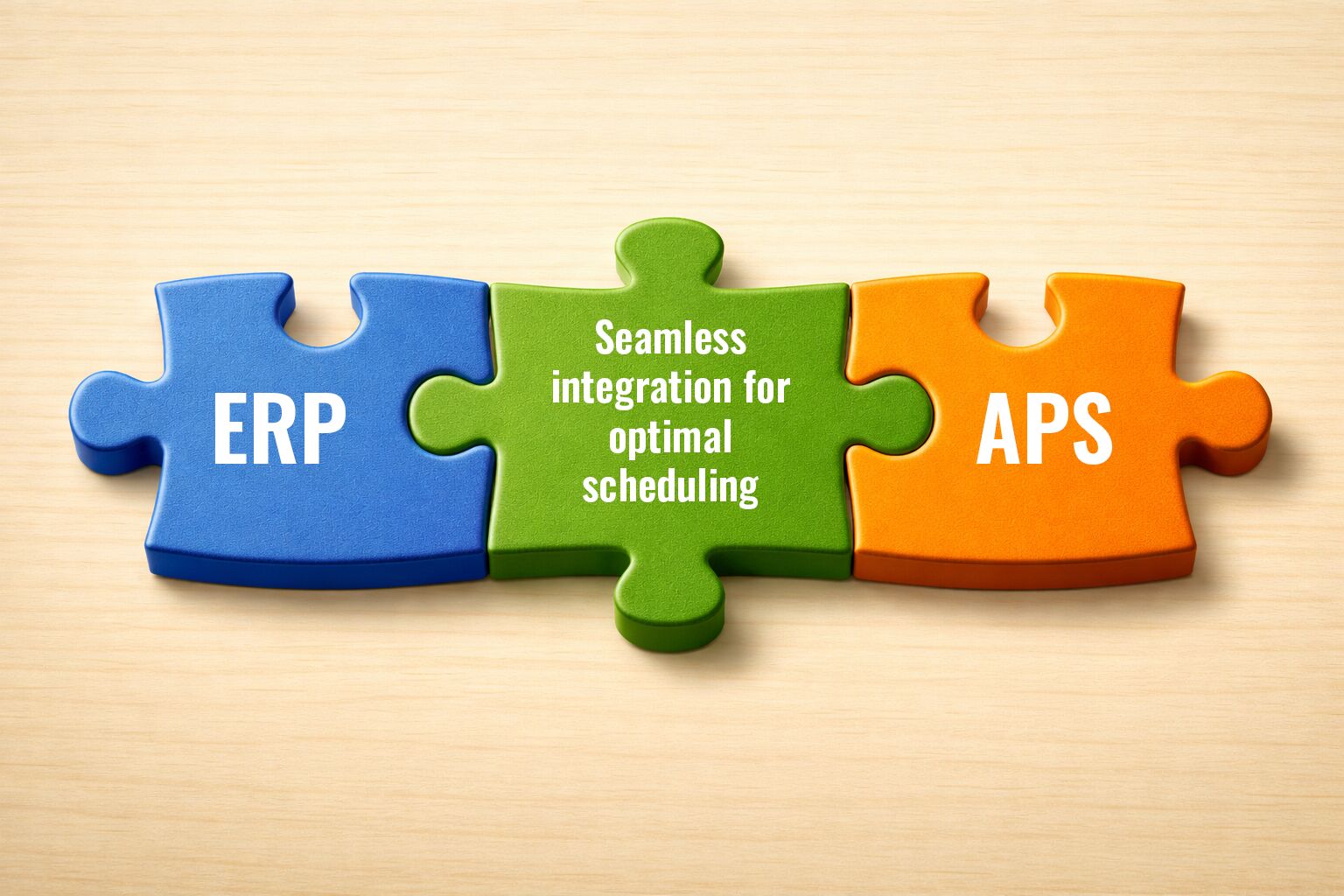
Various technological tools are instrumental in boosting visibility in production planning. Key among these are ERP (Enterprise Resource Planning) systems, which integrate and manage core business processes in real-time. Additionally, solutions like Delfoi Planner, which include APS (Advanced Planning and Scheduling) and MES (Manufacturing Execution Systems), offer comprehensive planning and execution capabilities. These tools facilitate real-time tracking and reporting, providing a clear view of ongoing operations and potential areas for improvement.
Why is change management crucial in production planning?
Change management is vital in production planning as it ensures that organizations can adapt to evolving market demands and internal process adjustments. It emphasizes adaptability and continuous improvement, enabling manufacturers to implement new strategies and technologies smoothly. By effectively managing change, companies can minimize disruptions and maintain operational efficiency, leading to sustained productivity and growth in the manufacturing sector.
How can improved operational transparency benefit businesses?
Enhanced transparency offers numerous advantages for businesses. It leads to increased efficiency by allowing for better resource management and process optimization. Costs are reduced as waste and redundancies are identified and eliminated. Furthermore, improved decision-making is facilitated by access to accurate, real-time data, enabling proactive rather than reactive strategies. These benefits collectively contribute to a stronger competitive position in the market.
What are the challenges in achieving operational transparency?
Achieving operational transparency can be challenging due to several factors. Resistance to change is a common hurdle, as employees may be accustomed to traditional methods. Integrating new technologies requires investment and training, which can be resource-intensive. Additionally, data management and security pose significant challenges as organizations work to ensure that information is accurate and protected. Overcoming these challenges requires strategic planning, investment in technology, and a commitment to continuous improvement.