What is efficient production planning?
Efficient production planning is the strategic process of organizing and optimizing all aspects of production in industries such as manufacturing and healthcare. At its core, it involves detailed scheduling of resources, materials, and labor to meet production targets while minimizing costs and waste. In manufacturing, efficient production planning ensures that every stage of the production process is carefully coordinated to meet demand forecasts and production goals. Healthcare, on the other hand, uses production planning to manage patient care processes, staffing, and resource allocation effectively.
Key components of efficient production planning include demand forecasting, capacity planning, and real-time monitoring. By accurately predicting demand, organizations can align their production schedules and resource allocation to match market needs. Capacity planning ensures that the necessary resources are available when needed, thereby avoiding bottlenecks. Real-time monitoring enhances transparency, allowing for quick adjustments in response to unexpected changes.
Efficient production planning is not just about optimizing resources—it’s about creating a flexible system that can adapt to changes in demand and unforeseen disruptions.
How does efficient planning improve competitiveness?
Efficient production planning significantly boosts an organization’s competitiveness by enhancing transparency, improving process efficiency, and facilitating change management. Transparency is achieved through real-time data insights that allow managers to make informed decisions and quickly respond to market changes. This level of insight is crucial for maintaining a competitive edge in rapidly changing industries like manufacturing and healthcare.
Process efficiency is another critical benefit—by streamlining operations and eliminating waste, companies can reduce costs and improve delivery times. Efficient change management ensures that any alterations in production plans are smoothly implemented, minimizing disruptions. Organizations that excel in these areas are better positioned to outperform competitors and meet customer expectations consistently.
Best practices for production planning
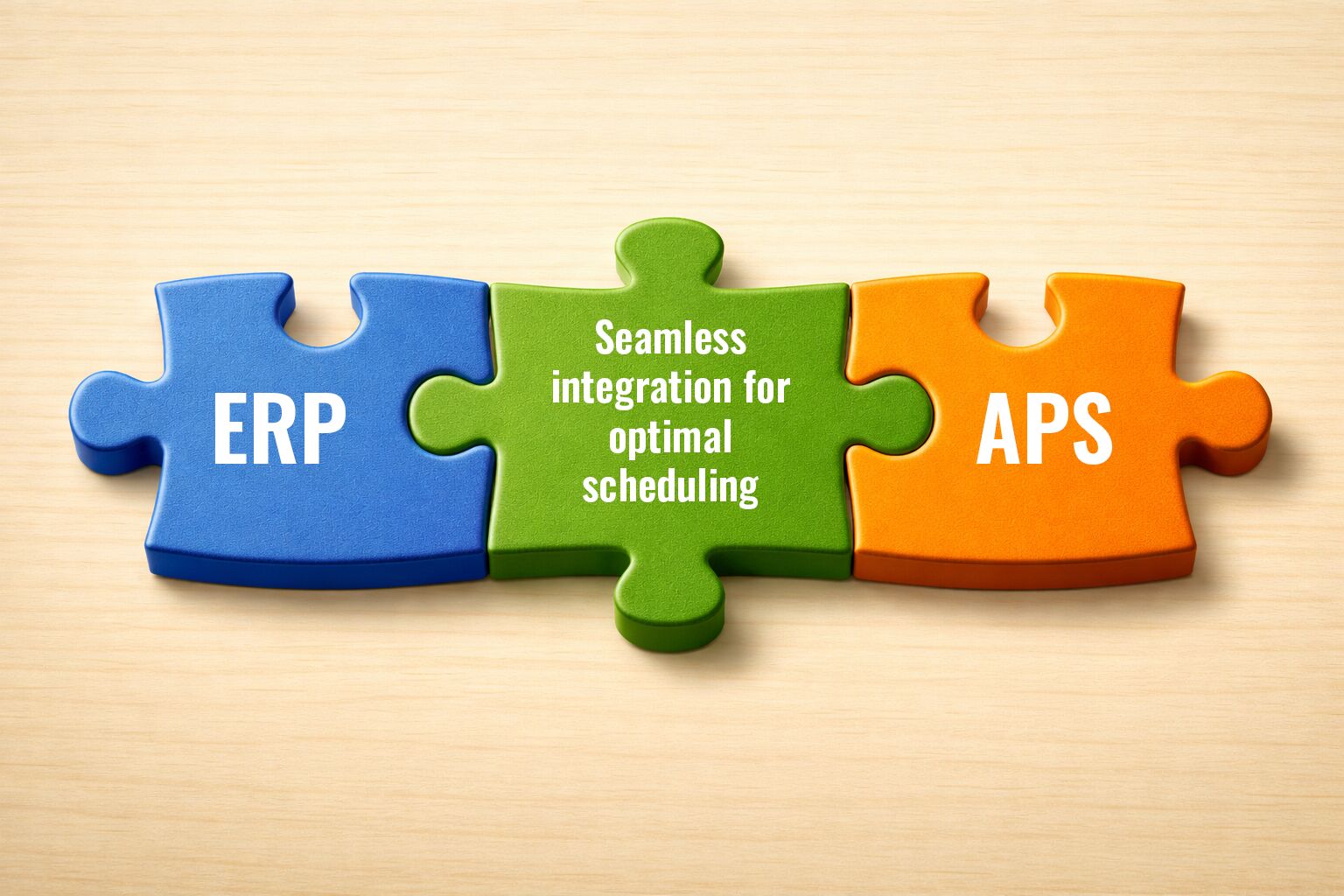
To optimize production planning, organizations should adopt industry best practices such as leveraging advanced planning and scheduling (APS) systems, implementing lean manufacturing principles, and fostering cross-departmental collaboration. APS systems like the Delfoi Planner provide a comprehensive framework for managing complex production schedules and real-time adjustments.
Lean manufacturing principles emphasize eliminating waste and maximizing value by optimizing each step of the production process. Additionally, fostering collaboration between departments ensures that all parts of the organization are aligned and working towards common goals. This holistic approach to production planning leads to more efficient operations and better resource management.
Common challenges in production planning and solutions
Production planning often encounters several challenges, including inaccurate demand forecasts, resource constraints, and production delays. To overcome these issues, companies can implement robust forecasting techniques, such as machine learning algorithms, to improve accuracy. Regularly updating forecasts with real-time data also helps in making more reliable predictions.
Resource constraints can be addressed by investing in flexible production systems that can adapt to varying workloads. Additionally, implementing a robust change management process ensures that any necessary adjustments to production plans are handled efficiently. By proactively addressing these challenges, organizations can maintain smooth production operations and avoid costly disruptions.
Implementing advanced production planning tools
Advanced production planning tools like Delfoi Planner enable organizations to streamline operations and increase efficiency. When selecting a tool, consider factors such as ease of integration with existing systems, scalability, and user-friendliness. Tools that offer real-time data analytics and customizable dashboards provide valuable insights into production processes and help in making informed decisions.
Integration of these tools should be strategic, focusing on areas where they can deliver the most impact. Training staff to effectively use these tools is equally important, ensuring that the organization can fully leverage the capabilities they offer. This approach not only enhances operational efficiency but also supports continuous improvement initiatives.
How to evaluate your production planning process
Evaluating the effectiveness of your production planning process involves assessing key performance indicators (KPIs) such as production lead time, inventory levels, and resource utilization. Regularly reviewing these metrics helps in identifying areas for improvement and ensuring that the planning process aligns with organizational goals.
Continuous improvement is a core component of effective production planning. By adopting a cycle of planning, execution, and feedback, organizations can adapt to changing demands and refine their processes. This proactive approach not only enhances production efficiency but also supports long-term strategic objectives.
In conclusion, efficient production planning is essential for maintaining competitiveness in today’s dynamic business environment. By embracing advanced tools and best practices, organizations can optimize their production processes, overcome challenges, and achieve sustainable growth.