What are the core principles of production planning?
The backbone of effective production planning lies in understanding and implementing several foundational principles. At its core, production planning is about optimizing resources, time, and processes to ensure that production schedules meet consumer demand efficiently. One key principle is capacity planning, which involves determining the production capacity needed to meet changing demands for products. This involves aligning resources such as labor, machinery, and materials to ensure that production can be scaled up or down as needed.
Another principle is the just-in-time (JIT) production system, which minimizes inventory costs by delivering parts and materials just as they are needed in the production process. This principle reduces waste and increases efficiency, but requires precise timing and coordination. Additionally, lean manufacturing focuses on eliminating waste and improving processes, leading to enhanced productivity and quality.
Implementing these principles requires a balance of strategic planning and real-time adjustments. For instance, if a supplier delay is anticipated, the production schedule must be adjusted accordingly to prevent downtime. These principles ensure that the production process is not only efficient but also adaptable to changes in market demand or supply chain disruptions.
How does real-time visibility enhance production efficiency?
Real-time visibility in production planning is akin to having a live dashboard of the entire manufacturing process. This allows for immediate insight into every aspect of production, from resource allocation to process status. By integrating real-time data, organizations can quickly identify bottlenecks, machine downtimes, or supply chain disruptions, allowing for swift corrective actions.
For example, systems like the Delfoi Planner provide real-time updates on production tasks and resource utilization. This level of visibility can drastically reduce downtime by allowing for proactive maintenance scheduling and immediate response to unexpected disruptions. Moreover, it aids in the optimal allocation of resources, ensuring that labor and machinery are efficiently utilized.
Real-time visibility acts as a bridge between strategic planning and operational execution, enabling more informed decision-making and agile responses to production challenges. This connectivity ensures that production remains aligned with business goals, enhancing overall efficiency and productivity.
Why is change management vital for modern production systems?
In the realm of modern production systems, the integration of new technologies and methodologies is constant. Change management becomes essential as it facilitates the smooth transition from traditional systems to more advanced, efficient processes. It involves preparing, supporting, and helping individuals, teams, and organizations in adapting to change.
Effective change management ensures that the workforce is trained and ready to embrace new technologies, minimizing resistance and maximizing engagement. For instance, implementing a new production planning software requires not only technical adjustments but also cultural shifts within the organization.
By focusing on both the technical and human aspects of change, organizations can ensure that new systems are adopted smoothly and that productivity is maintained during the transition period. This holistic approach to change management is crucial in maintaining competitive advantage and achieving long-term success.
What strategies improve production planning in healthcare?
Production planning in the healthcare sector involves unique challenges, primarily due to the need for precision and the unpredictability of demand. One effective strategy is the implementation of capacity management systems to ensure that resources such as staff, equipment, and facilities are utilized optimally. This involves forecasting demand and adjusting resource allocation in real-time to meet patient needs effectively.
Another strategy is the adoption of lean methodologies to streamline processes and eliminate waste. This can involve reorganizing workflows to reduce waiting times and improve service delivery. For example, a hospital might use lean principles to optimize the scheduling of surgeries, ensuring that operating rooms are used efficiently and patient throughput is maximized.
The integration of advanced planning solutions, such as those offered by Delfoi, can significantly enhance these strategies. By providing real-time data and predictive analytics, these tools enable healthcare providers to make informed decisions that improve service delivery and patient outcomes.
How to implement effective production planning solutions
Implementing effective production planning solutions requires a strategic approach that aligns with organizational goals. The first step is to assess the current production processes and identify areas for improvement. This involves understanding the production flow, resource allocation, and potential bottlenecks.
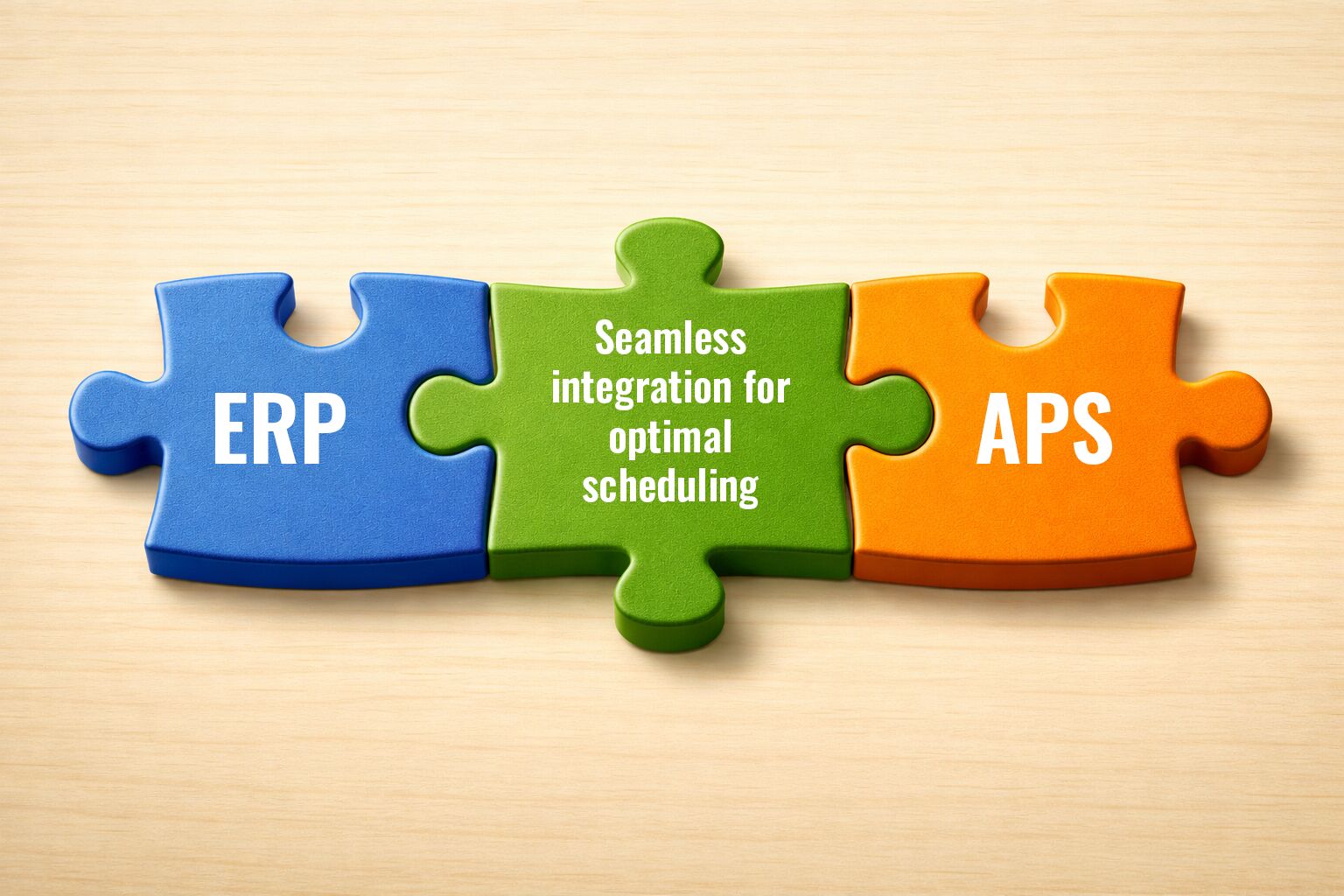
Once these areas are identified, organizations can choose the appropriate planning tools that meet their specific needs. Solutions like the Delfoi Planner offer advanced features such as capacity planning, real-time visibility, and change management support. These tools should be integrated into existing systems to ensure seamless data flow and process integration.
Training and support are also critical components of successful implementation. Ensuring that staff are well-trained and comfortable with new systems will maximize the benefits of the planning solution. Continuous monitoring and feedback loops should be established to adapt and refine the production planning process, ensuring it remains aligned with organizational objectives and market demands.