Understanding future-proofing in production planning
In the dynamic world of production planning, the concept of future-proofing has emerged as a critical strategy for organizations aiming to adapt to ever-changing markets and technological advancements. But what exactly is future-proofing in this context? Essentially, it involves designing production processes that are resilient to future challenges and can adapt to evolving demands and innovations. This approach is distinct from traditional planning methods, which often emphasize short-term efficiency over long-term adaptability.
Future-proofing is important because it allows companies to maintain competitiveness and operational efficiency even as external conditions shift. Unlike conventional strategies that might become obsolete with technological advances, future-proof planning incorporates flexibility and scalability. This ensures that companies like those using Delfoi’s solutions can seamlessly integrate new technologies and processes without major overhauls.
Key elements of advanced production planning
Advanced production planning encompasses several essential components that enable future-proofing. These include the use of sophisticated tools such as Delfoi Planner APS, which facilitates Advanced Planning and Scheduling through intelligent algorithms and real-time data integration. Technologies like these allow for the optimization of production schedules, taking into account capacity constraints and resource availability.
Moreover, methodologies that embrace predictive analytics and demand forecasting are crucial. These methodologies help in anticipating market trends and adjusting production plans accordingly. Integrating such tools and methods leads to enhanced transparency and operational visibility, a core benefit offered by Delfoi’s production planning solutions.
How to implement future-proof strategies in production planning
Implementing future-proof strategies in production planning requires a structured approach. First, organizations need to assess their current capabilities and identify areas for improvement. This involves evaluating existing tools and processes and determining their adaptability to future changes.
Next, companies should prioritize investments in technology that supports scalability and integration. For example, adopting systems like Delfoi Planner MES for real-time production management can streamline operations and enhance responsiveness to change. Finally, implementing continuous training and development programs ensures that the workforce is equipped to handle new technologies and methodologies effectively.
Common challenges in future-proofing production planning
While future-proofing offers numerous benefits, organizations often encounter several challenges in the process. One common obstacle is resistance to change, particularly when introducing new technologies or processes. To overcome this, companies must foster a culture of innovation and provide adequate training and support to ease the transition.
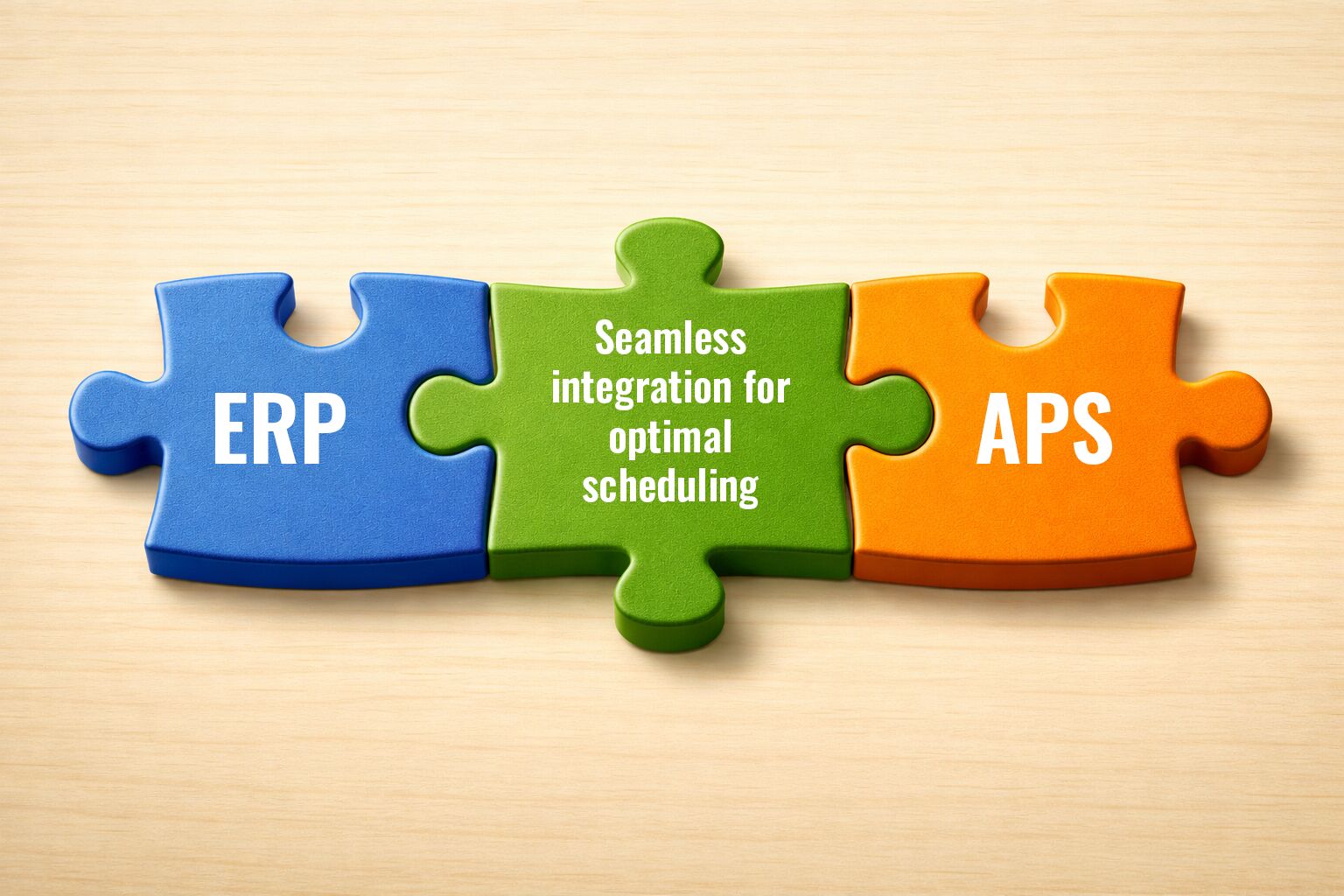
Another challenge is the integration of disparate systems within an organization. Ensuring seamless communication between different tools and platforms is crucial, and solutions like those offered by Delfoi can facilitate this process. Additionally, securing stakeholder buy-in and aligning future-proofing initiatives with broader business goals are essential to overcoming these challenges.
Real-world applications of future-proof production planning
Future-proof production planning has been successfully applied across various industries, demonstrating its versatility and effectiveness. For instance, manufacturers using Delfoi solutions have achieved significant improvements in production efficiency and flexibility. By leveraging advanced scheduling and execution systems, these companies can quickly adapt to market fluctuations and customer demands.
In the healthcare sector, future-proof planning helps organizations manage resource allocation and patient care more effectively, ensuring that services remain uninterrupted during periods of high demand or crisis. These real-world applications highlight the potential of future-proof strategies to drive innovation and resilience in diverse operational contexts.
Evaluating the effectiveness of future-proof production planning
Assessing the success of future-proof production planning efforts involves measuring key metrics such as production efficiency, cost savings, and adaptability to change. Tools like Delfoi Planner provide valuable insights through detailed reports and analytics, allowing organizations to track progress and identify areas for further improvement.
Evaluation techniques should also consider qualitative outcomes such as employee satisfaction and customer feedback. By combining quantitative and qualitative assessments, companies can gain a comprehensive understanding of the impact of their future-proofing initiatives and make informed decisions for ongoing optimization.