Modern manufacturing faces unprecedented challenges as market demands shift rapidly and supply chains become increasingly complex. Companies struggle to balance efficiency with flexibility, often finding their production systems rigid when they need to be responsive. The key to thriving in this environment lies in achieving manufacturing agility – the ability to adapt production schedules quickly, optimise resources, and respond to changing customer demands without sacrificing quality or efficiency.
Many manufacturers rely on enterprise resource planning systems such as SAP ERP and S/4HANA to manage their operations, yet often discover gaps between high-level planning capabilities and the dynamic requirements of shop floor execution. This disconnect creates bottlenecks that prevent organisations from reaching their full operational potential, particularly when dealing with complex scheduling scenarios or unexpected changes in demand.
This article explores how strategic SAP integration can bridge these gaps, transforming manufacturing operations from reactive to proactive. You will discover practical approaches to enhance your existing SAP infrastructure whilst maintaining operational stability, and learn how to build the responsive manufacturing capabilities that drive competitive advantage in today’s market.
Understanding manufacturing agility in modern production
Manufacturing agility represents far more than simply moving faster through production processes. It encompasses an organisation’s ability to sense market changes, adapt production strategies, and execute adjustments seamlessly across all operational levels. In today’s competitive landscape, agile manufacturing systems serve as the foundation for sustainable growth and customer satisfaction.
The characteristics of truly agile manufacturing extend beyond traditional metrics of speed and efficiency. These systems demonstrate responsiveness to customer demands, flexibility in resource allocation, and resilience when facing supply chain disruptions. Modern manufacturers are discovering that agility requires integration between planning systems, real-time data flows, and decision-making processes that can accommodate rapid changes without compromising quality standards.
Market volatility has accelerated the need for responsive production capabilities. Companies that previously planned production weeks or months in advance now require systems that can adjust to daily or even hourly changes in demand patterns. This shift demands manufacturing optimisation approaches that balance efficiency with adaptability, ensuring resources remain productive whilst maintaining the flexibility to pivot when circumstances change.
Agile manufacturing isn’t about working faster – it’s about working smarter with systems that adapt to change rather than resist it.
The most successful manufacturers are those that have integrated agility into their core operational philosophy, viewing flexibility not as a cost but as a strategic advantage. These organisations invest in technologies and processes that enable rapid response capabilities whilst maintaining the operational discipline necessary for consistent quality and efficiency outcomes.
Why traditional ERP systems struggle with production complexity
Enterprise resource planning systems excel at managing high-level business processes and maintaining data consistency across departments. However, when it comes to the intricate demands of modern production scheduling, many traditional ERP implementations reveal significant limitations that impact operational effectiveness and responsiveness.
The primary challenge lies in the gap between strategic planning capabilities and tactical execution requirements. Standard ERP systems typically operate with fixed planning cycles and predetermined logic that struggle to accommodate the dynamic nature of modern manufacturing environments. Real-time scheduling becomes particularly problematic when systems lack the granular visibility needed to optimise capacity utilisation and resource allocation effectively.
Traditional ERP approaches often treat production planning as a sequential process, moving from sales forecasts through material requirements planning to shop floor execution. This linear approach creates bottlenecks when unexpected changes occur, as the system requires complete replanning cycles rather than dynamic adjustments. The result is reduced responsiveness and missed opportunities for operational optimisation.
| ERP Challenge | Impact on Operations | Business Consequence |
|---|---|---|
| Limited scheduling flexibility | Difficulty accommodating rush orders | Reduced customer satisfaction |
| Delayed data updates | Planning based on outdated information | Inefficient resource utilisation |
| Complex change management | Time-consuming replanning processes | Increased operational costs |
Another significant limitation involves the disconnect between planning algorithms and shop floor realities. Traditional ERP systems often lack the sophisticated logic needed to consider machine-specific constraints, operator skills, quality requirements, and material availability simultaneously. This creates scenarios where plans appear feasible at the system level but prove impractical during execution, leading to production scheduling conflicts and operational inefficiencies.
The strategic value of enhanced SAP production planning
Advanced production planning capabilities can transform how organisations leverage their existing SAP infrastructure, creating significant operational improvements without disrupting established business processes. The strategic value emerges when specialised planning tools work seamlessly alongside SAP ERP and S/4HANA, enhancing capabilities rather than replacing core functionality.
Enhanced SAP implementations provide manufacturers with sophisticated scheduling algorithms that consider multiple constraints simultaneously. These systems can evaluate machine capacity, material availability, operator skills, and quality requirements in real time, generating optimised production schedules that maximise efficiency whilst maintaining flexibility for necessary adjustments. The result is improved manufacturing efficiency that directly impacts bottom-line performance.
The integration approach preserves existing SAP workflows whilst adding advanced planning capabilities that address specific manufacturing challenges. This means organisations can maintain their established data structures, user interfaces, and reporting mechanisms whilst gaining access to powerful optimisation tools that enhance decision-making capabilities across all operational levels.
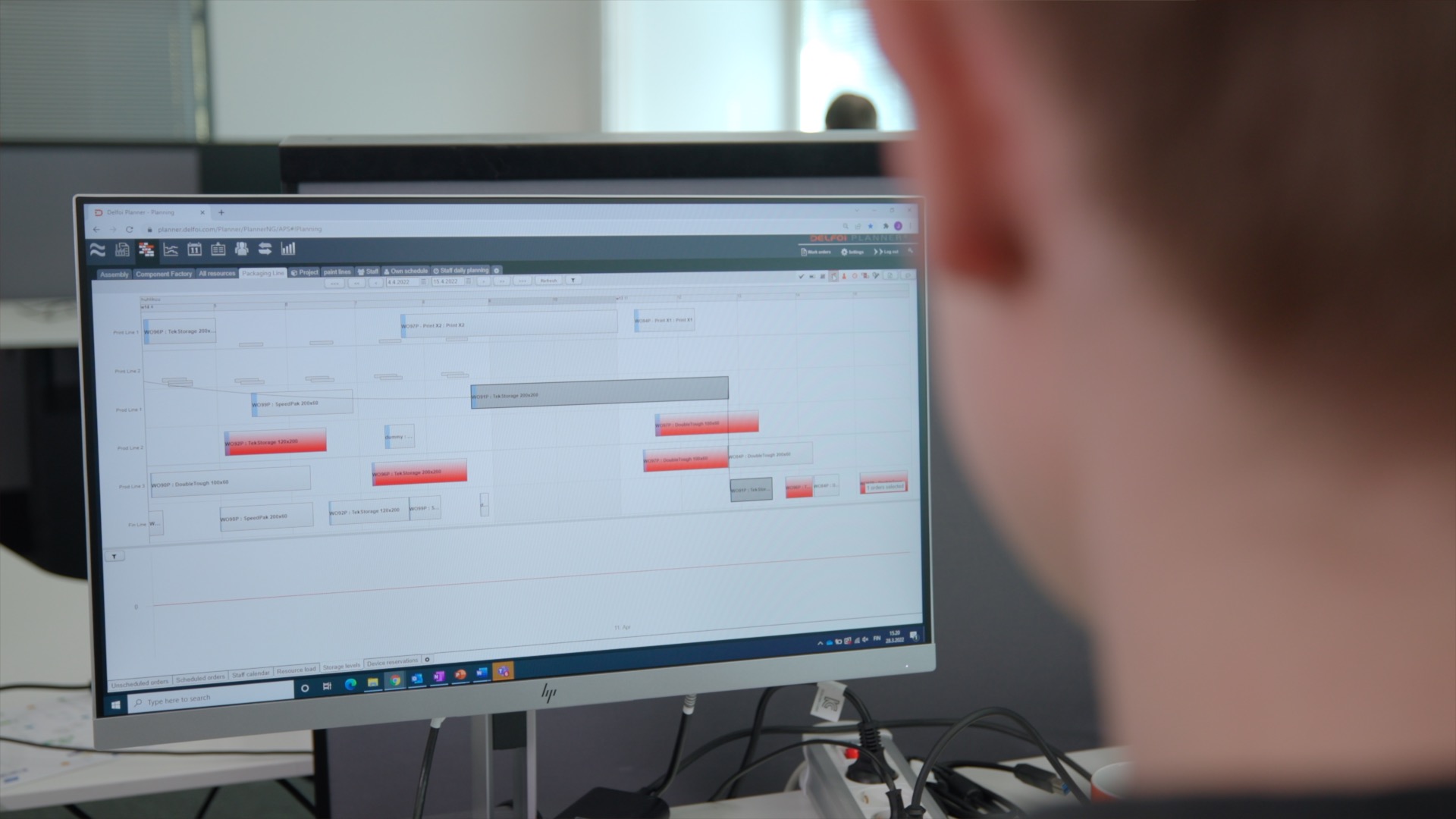
One approach that demonstrates this strategic value involves solutions such as Delfoi Planner for SAP, which enhance SAP environments by providing advanced production planning and scheduling capabilities fully integrated with existing ERP infrastructure. This type of enhancement allows manufacturers to leverage sophisticated planning algorithms whilst maintaining the stability and familiarity of their current SAP implementation.
The most successful SAP enhancements are those that amplify existing strengths rather than attempting to replace proven systems.
Enhanced SAP production planning also improves visibility across the entire manufacturing operation. Planners gain access to real-time data that supports informed decision-making, whilst shop floor managers receive schedules that reflect current conditions and constraints. This improved visibility enables proactive management of potential issues before they impact production performance or customer deliveries.
What makes SAP integration successful for manufacturing?
Successful SAP integration in manufacturing environments requires careful attention to technical architecture, data management, and user adoption considerations. The most critical factor involves maintaining data synchronisation between systems whilst ensuring that enhanced capabilities integrate seamlessly with existing business processes and user workflows.
Real-time communication between systems forms the foundation of effective integration. This requires robust data exchange mechanisms that maintain consistency between SAP and enhanced planning tools without creating performance bottlenecks or data integrity issues. Successful implementations establish clear data ownership protocols and automated synchronisation processes that operate transparently to end users.
User adoption represents another crucial success factor that often determines the long-term value of integration initiatives. The most effective approaches preserve familiar user interfaces and workflows whilst gradually introducing enhanced capabilities. This allows teams to leverage improved functionality without requiring extensive retraining or significant changes to established operational procedures.
- Preserve existing SAP data structures and business logic
- Implement gradual capability rollouts to support user adaptation
- Establish clear protocols for data ownership and management
- Maintain system performance standards during integration
- Provide comprehensive testing environments for validation
Change management strategies play a vital role in ensuring that technical integration translates into operational benefits. Successful implementations involve stakeholders from planning, production, and IT teams throughout the integration process, ensuring that enhanced capabilities align with actual operational needs and constraints. This collaborative approach helps identify potential issues early whilst building organisational support for new capabilities.
The preservation of existing business processes while enhancing capabilities requires careful planning and execution. The most successful integrations maintain operational continuity whilst introducing improvements that enhance rather than disrupt established workflows. This approach minimises implementation risks whilst maximising the potential for rapid value realisation across the organisation.
Building resilient manufacturing operations through integration
Manufacturing resilience emerges from the ability to maintain operational effectiveness despite disruptions, changes, and unexpected challenges. Integrated systems provide the foundation for this resilience by enabling rapid response capabilities, comprehensive visibility, and adaptive planning processes that support continuous operational excellence.
The framework for developing resilient operations begins with establishing robust data flows between planning and execution systems. This creates the real-time visibility necessary for proactive decision-making whilst ensuring that plans remain aligned with actual operational conditions. Manufacturing optimisation becomes an ongoing process rather than a periodic activity when systems provide continuous feedback and adjustment capabilities.
Continuous improvement processes benefit significantly from integrated manufacturing systems that provide comprehensive performance data and trend analysis capabilities. These systems enable organisations to identify optimisation opportunities, monitor the effectiveness of operational changes, and build institutional knowledge that supports long-term competitive advantage.
Performance monitoring approaches in integrated environments focus on leading indicators rather than reactive metrics. This enables management teams to identify potential issues before they impact customer deliveries or operational efficiency. The result is more stable operations with improved predictability and reduced firefighting activities that consume management attention and resources.
Resilient manufacturing operations are built on systems that anticipate and adapt to change rather than simply responding to problems after they occur.
Building adaptive capabilities requires organisations to view integration as an ongoing strategic initiative rather than a one-time technical project. The most successful manufacturers establish governance processes that support continuous enhancement of their integrated systems, ensuring that capabilities evolve alongside changing business requirements and market conditions. For organisations ready to explore these opportunities, it’s valuable to contact experienced integration specialists who can guide the development of sustainable competitive advantages that compound over time, supporting long-term operational excellence and market leadership.