Manufacturing leaders across industries are discovering a critical gap in their production planning capabilities. While SAP ERP systems excel at managing transactional data and business processes, they often struggle to provide the intuitive, visual insight needed for effective SAP production planning in today’s dynamic manufacturing environments.
The challenge isn’t with SAP itself—it’s with how traditional ERP interfaces present complex production data. When planners need to make split-second decisions about resource allocation, capacity constraints, or schedule adjustments, text-based screens and numerical data tables simply don’t provide the clarity required for confident decision-making.
This article explores why visual scheduling has become essential for modern SAP production planning, examining the limitations of traditional approaches and the transformative impact of visual planning tools. You’ll discover practical strategies for enhancing your existing SAP investment while maintaining system integrity and improving manufacturing efficiency across your operations.
Why traditional SAP planning falls short in modern manufacturing
Standard SAP production planning modules were designed during an era when manufacturing operations moved at a different pace. Today’s manufacturers face increasingly complex challenges: shorter lead times, frequent schedule changes, multi-site coordination, and customer demands for real-time visibility. These pressures expose fundamental limitations in how traditional SAP ERP systems present production information.
The primary challenge lies in data interpretation. SAP’s strength in capturing and storing vast amounts of production data becomes a weakness when planners need quick visual understanding. Scrolling through transaction codes like MD04 or CO09 to understand capacity bottlenecks or resource conflicts consumes valuable time that could be spent solving problems rather than identifying them.
Complex data interpretation challenges compound when dealing with multi-level production scenarios. Understanding the ripple effects of a single schedule change across multiple work centers, production lines, or even facilities requires mental gymnastics that few planners can perform efficiently. The lack of visual representation means critical patterns, conflicts, and opportunities remain hidden within rows of data.
Dynamic production scenarios present another significant hurdle. When urgent orders arrive, equipment breaks down, or materials arrive late, planners need immediate insight into alternative scenarios. Traditional SAP interfaces require multiple screen navigations and complex queries to understand “what-if” scenarios, making real-time adjustments cumbersome and error-prone.
“The gap between data availability and actionable insight often determines whether manufacturers can respond effectively to production disruptions or miss critical delivery commitments.”
The strategic value of visual scheduling in production environments
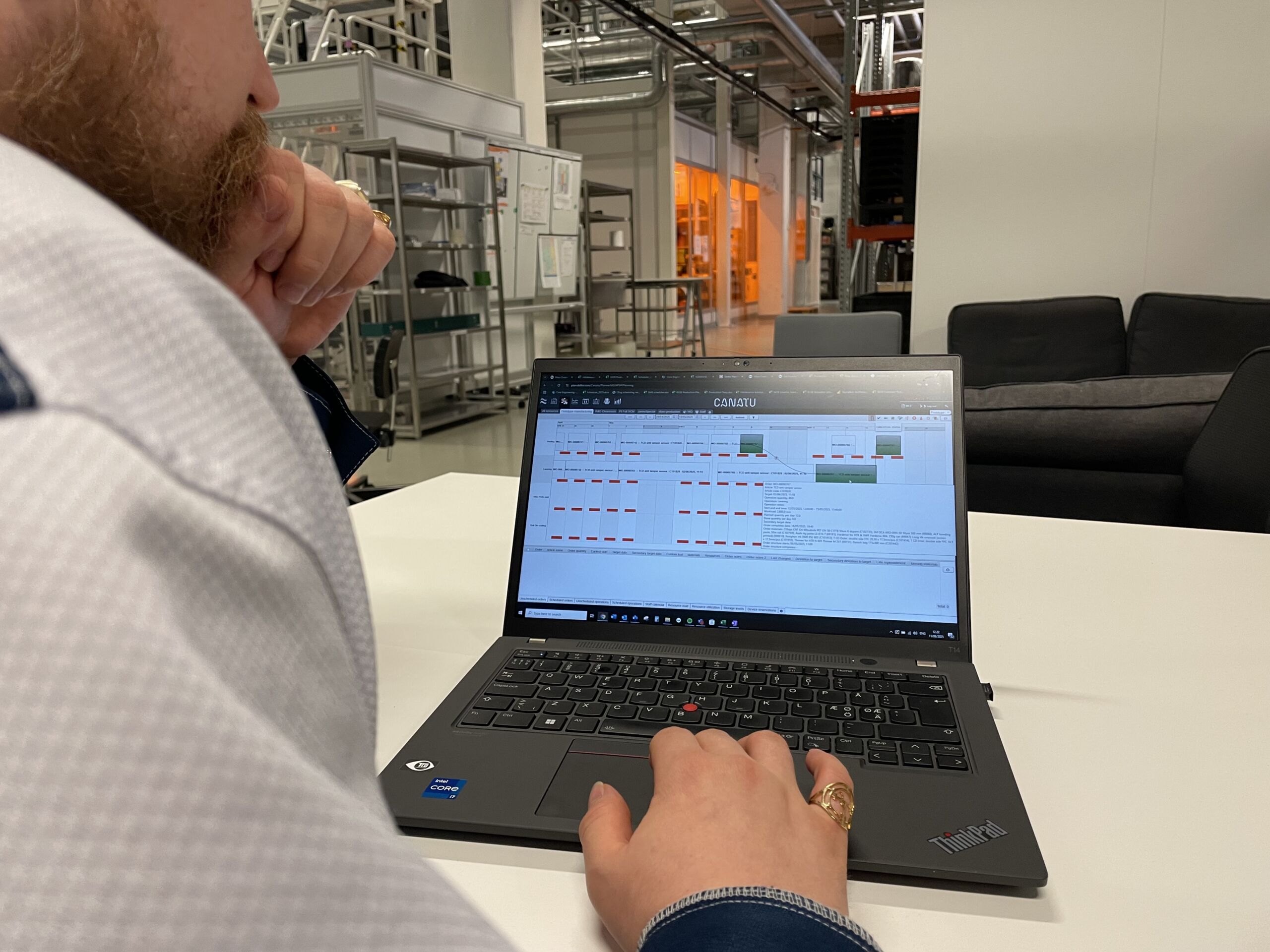
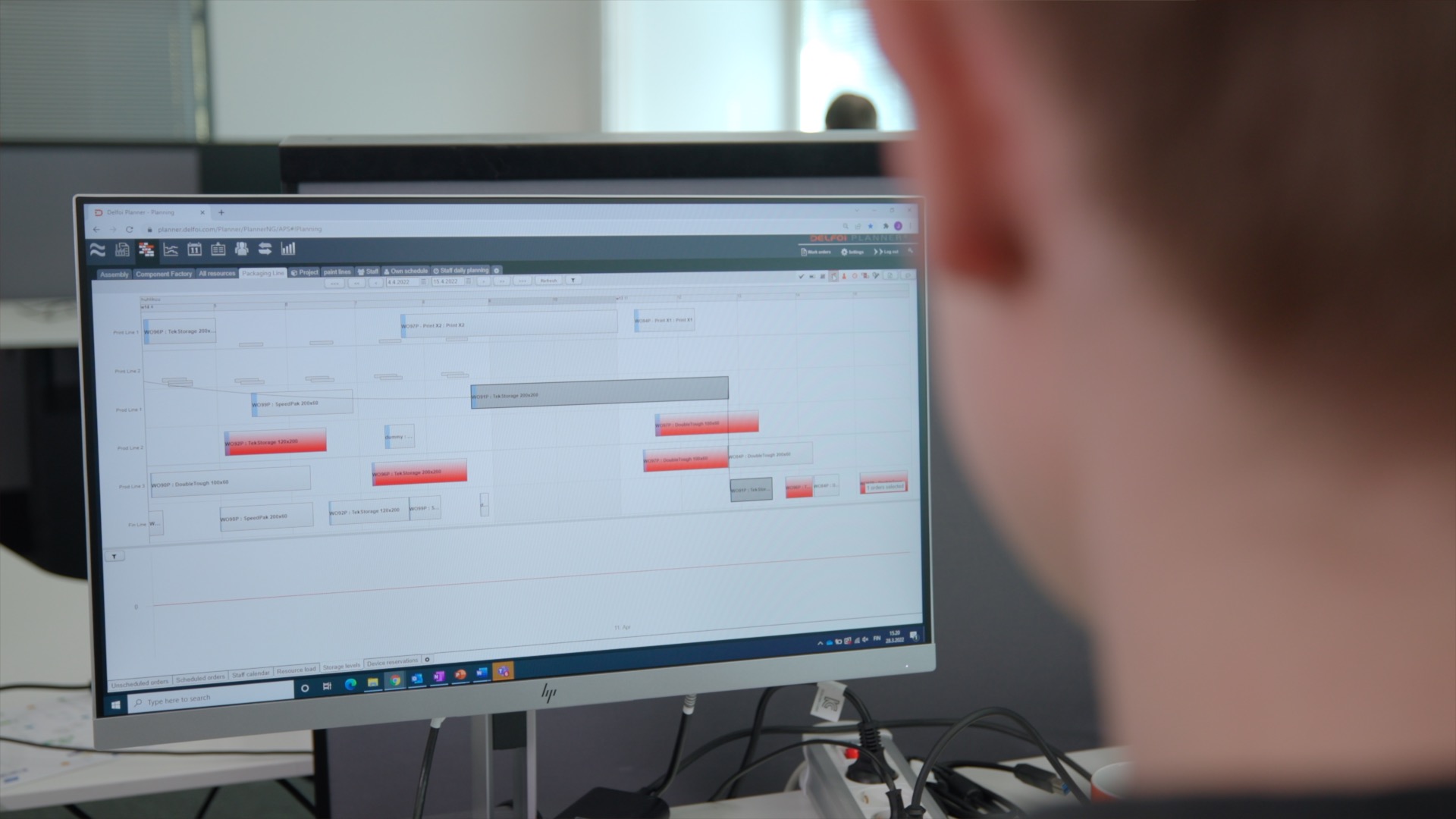
Visual scheduling transforms how production teams interact with their planning data by presenting complex information through intuitive, graphical interfaces. Rather than replacing existing systems, visual planning tools create a bridge between comprehensive ERP data and human decision-making capabilities, enabling planners to process information more efficiently and make better decisions faster.
The cognitive benefits of visual scheduling extend far beyond simple preference. Human brains process visual information approximately 60,000 times faster than text, making visual interfaces particularly valuable in time-sensitive production environments. When planners can see capacity utilization, resource conflicts, and schedule dependencies as color-coded timelines or interactive charts, they identify issues and opportunities that might remain hidden in traditional reports.
Enhanced collaboration represents another significant advantage. Visual scheduling creates a common language between departments that traditionally struggle to communicate effectively. Production managers, maintenance teams, procurement specialists, and quality controllers can all understand visual schedules without requiring deep SAP expertise. This shared understanding accelerates decision-making and reduces miscommunication.
The ability to respond quickly to production disruptions becomes particularly valuable in today’s volatile manufacturing environment. Visual scheduling tools enable planners to drag and drop operations, instantly see the impact of changes, and communicate adjustments to shop floor teams in real time. This agility often means the difference between minor schedule adjustments and major delivery delays.
| Traditional SAP Interface | Visual Scheduling Approach | Key Benefit |
|---|---|---|
| Text-based transaction screens | Interactive timeline views | Faster pattern recognition |
| Multiple screen navigation | Single-screen overview | Reduced complexity |
| Manual calculation of impacts | Automatic scenario modeling | Improved decision quality |
Key integration considerations for SAP enhancement solutions
Successfully implementing visual scheduling capabilities alongside existing SAP systems requires careful attention to technical architecture and organizational change management. The goal isn’t to replace SAP but to enhance its capabilities while maintaining the robust data integrity and business process controls that make ERP systems valuable.
Data synchronization requirements form the foundation of any successful integration. Visual scheduling tools must maintain real-time or near-real-time connectivity with SAP databases to ensure planning decisions reflect current reality. This involves establishing secure data connections, mapping SAP data structures to visual interfaces, and implementing appropriate refresh frequencies that balance performance with accuracy.
User adoption strategies deserve equal attention to technical considerations. Even the most sophisticated visual scheduling solution provides no value if planners don’t embrace it. Successful implementations typically involve identifying early adopters, providing comprehensive training, and demonstrating clear value through pilot projects. The transition should feel like a natural evolution of existing workflows rather than a complete process overhaul.
Maintaining ERP system integrity remains paramount throughout any enhancement project. Visual scheduling tools should complement SAP’s strengths in transaction processing, audit trails, and business rule enforcement rather than circumventing these controls. This often means implementing solutions that enhance SAP interfaces while ensuring all transactions continue to flow through established ERP processes.
Solutions like Delfoi Planner for SAP integration demonstrate how visual scheduling can enhance SAP production planning while maintaining full integration with SAP ERP and S/4HANA systems. Such approaches preserve existing investments while adding the visual capabilities modern manufacturing demands.
How visual tools transform SAP production planning workflows
The transformation from traditional SAP production planning to visually enhanced workflows typically delivers immediate improvements in both planning efficiency and decision quality. Planners who previously spent hours navigating between SAP screens to understand production status can now grasp complex situations at a glance through intuitive visual interfaces.
Drag-and-drop planning capabilities represent one of the most significant workflow improvements. Instead of entering multiple transaction codes to reschedule operations, planners can simply drag activities to new time slots or resources. The underlying system automatically validates the changes against SAP business rules and updates all related transactions, maintaining data integrity while dramatically reducing planning time.
Real-time capacity visualization transforms how manufacturers understand and optimize their production resources. Visual tools can display capacity utilization across multiple dimensions—time, resources, skills, and materials—simultaneously. This comprehensive view enables planners to identify bottlenecks, optimize resource allocation, and balance workloads more effectively than traditional capacity planning approaches.
Streamlined communication between planning and production teams emerges naturally when everyone can access the same visual representation of the production schedule. Shop floor supervisors can see upcoming work, understand priorities, and communicate constraints back to planners through shared visual interfaces. This improved communication reduces delays, minimizes confusion, and helps ensure plans translate effectively into production reality.
The integration of visual scheduling with SAP S/4HANA systems particularly benefits from modern architecture capabilities. Real-time data processing, advanced analytics, and cloud connectivity enable visual planning tools to provide even richer insights while maintaining seamless integration with core business processes.
“The most successful visual scheduling implementations focus on enhancing human decision-making capabilities rather than replacing human judgment with automation.”
Modern manufacturing demands more than traditional ERP interfaces can deliver alone. Visual scheduling represents not a replacement for SAP production planning but an essential enhancement that bridges the gap between comprehensive data management and intuitive human decision-making. By implementing visual planning tools that integrate seamlessly with existing SAP investments, manufacturers can achieve the agility and insight needed to compete effectively in today’s dynamic production environments. For more information about implementing these solutions, contact our experts to discuss your specific requirements.