Manufacturing leaders face a persistent challenge that can make or break their operational success: production bottlenecks that emerge without warning and cascade through their entire system. In today’s competitive landscape, the difference between thriving and merely surviving often comes down to how quickly you can identify and respond to these constraints in your production flow.
For manufacturers using NetSuite ERP, the stakes are particularly high. Your integrated system captures vast amounts of production data, but without proper real-time bottleneck detection capabilities, this valuable information remains largely reactive rather than predictive. The result? Delayed shipments, frustrated customers, and missed opportunities for production optimization.
This comprehensive guide will equip you with the knowledge to transform your manufacturing operations from reactive to proactive. You’ll discover how to identify bottleneck warning signs before they impact your bottom line, implement monitoring strategies that work within your NetSuite environment, and build systems that keep your production flowing smoothly. Whether you’re struggling with recurring capacity constraints or simply want to optimize your current processes, these insights will help you achieve greater manufacturing efficiency and operational transparency.
Understanding bottlenecks in NetSuite manufacturing environments
Production bottlenecks in NetSuite manufacturing environments manifest in several distinct forms, each presenting unique challenges for operational efficiency. Capacity bottlenecks occur when specific machines, workstations, or skilled personnel become the limiting factor in your production flow. These constraints often develop gradually as demand increases or when key resources become unavailable due to maintenance or staffing issues.
Material bottlenecks represent another critical category, emerging when raw materials, components, or work-in-progress inventory fail to arrive at the right location at the right time. Within NetSuite environments, these bottlenecks frequently stem from inventory management complexities, supplier delays, or inadequate demand forecasting that doesn’t align with actual production requirements.
Information bottlenecks pose a particularly insidious threat to manufacturing efficiency. These occur when critical production data become trapped in silos, preventing timely decision-making across departments. In NetSuite systems, information bottlenecks often arise from insufficient integration between modules or when manual data entry creates delays in updating work order statuses, inventory levels, or quality control results.
The cascading effects of undetected bottlenecks can reduce overall equipment effectiveness by up to 15% and significantly impact customer satisfaction through delayed deliveries.
Process bottlenecks emerge from inefficient workflows, outdated procedures, or poorly designed production sequences. These constraints become particularly problematic in NetSuite environments when standard operating procedures haven’t been updated to reflect system capabilities, leading to unnecessary manual interventions that slow down otherwise automated processes. Understanding these bottleneck types enables manufacturers to develop targeted detection and resolution strategies that address root causes rather than symptoms.
Why real-time detection matters for production efficiency
The critical difference between real-time bottleneck detection and traditional periodic reviews lies in the speed of response and the magnitude of impact prevention. When manufacturers rely on weekly or monthly production reports to identify constraints, they’re essentially operating with historical data that may no longer reflect current conditions. This reactive approach allows bottlenecks to compound, creating ripple effects throughout the entire production system.
Real-time monitoring enables immediate identification of emerging constraints, allowing production teams to implement corrective measures before minor issues escalate into major disruptions. The cost implications of delayed detection extend far beyond immediate production losses. Late deliveries damage customer relationships, emergency expediting increases operational costs, and rushed production often compromises quality standards.
Inventory management challenges multiply when bottlenecks remain undetected. Work-in-progress inventory accumulates upstream of constraints while downstream processes starve for materials. This imbalance ties up working capital in non-productive inventory while simultaneously creating shortages that further delay production schedules.
Competitive advantages gained through real-time visibility into production constraints include improved delivery reliability, enhanced customer satisfaction, and the ability to accept rush orders with confidence. Manufacturers who can quickly identify and resolve bottlenecks maintain more predictable lead times, enabling better customer communication and more accurate delivery promises.
The operational transparency achieved through continuous monitoring also supports better resource allocation decisions. Production managers can redistribute workloads, adjust schedules, or implement temporary workarounds based on current conditions rather than assumptions or outdated information. This agility becomes particularly valuable during peak demand periods or when dealing with unexpected disruptions such as equipment failures or supply chain interruptions.
Key indicators and monitoring strategies for bottleneck identification
Effective bottleneck identification relies on monitoring specific measurable indicators that signal emerging constraints before they fully develop. Throughput variations serve as one of the most reliable early warning signs, particularly when output from specific workstations or production lines begins declining relative to historical performance or planned capacity.
Queue lengths provide another critical indicator, as work-in-progress inventory accumulating at particular stations often signals developing capacity constraints. Manufacturing analytics should track both physical queue lengths and time-based measures, such as average waiting time for jobs at each workstation. These metrics help distinguish between temporary fluctuations and systematic bottlenecks requiring intervention.
| Indicator Type | Measurement Method | Warning Threshold |
|---|---|---|
| Resource Utilization | Actual vs. planned capacity usage | Above 85% consistently |
| Cycle Time Deviation | Current vs. standard processing time | 15% increase from baseline |
| Queue Length | Jobs waiting at workstation | 50% above normal levels |
Resource utilization rates require careful analysis to distinguish between healthy high utilization and problematic overutilization. Workstations operating consistently above 85% capacity often indicate potential bottlenecks, particularly when coupled with increasing cycle times or growing queues. However, the context matters significantly—seasonal peaks or planned production increases may temporarily drive higher utilization without indicating systematic constraints.
Cycle time deviations from established standards provide valuable insights into process efficiency and emerging bottlenecks. When processing times at specific workstations begin exceeding historical norms, this often indicates developing constraints due to equipment degradation, skill gaps, or process inefficiencies. Monitoring methodologies should capture both individual job cycle times and rolling averages to identify trends while filtering out normal variation.
Data collection approaches must balance comprehensiveness with practicality. Automated data capture through NetSuite manufacturing modules provides the most reliable foundation, supplemented by targeted manual observations where necessary. The analytical framework should incorporate statistical process control principles to distinguish between common-cause variation and special causes requiring investigation.
Implementing effective real-time monitoring systems
Establishing comprehensive real-time monitoring capabilities requires a strategic framework that addresses both technical infrastructure and organizational processes. The system architecture must support continuous data collection from multiple sources while providing intuitive dashboards that enable quick decision-making by production personnel at all levels.
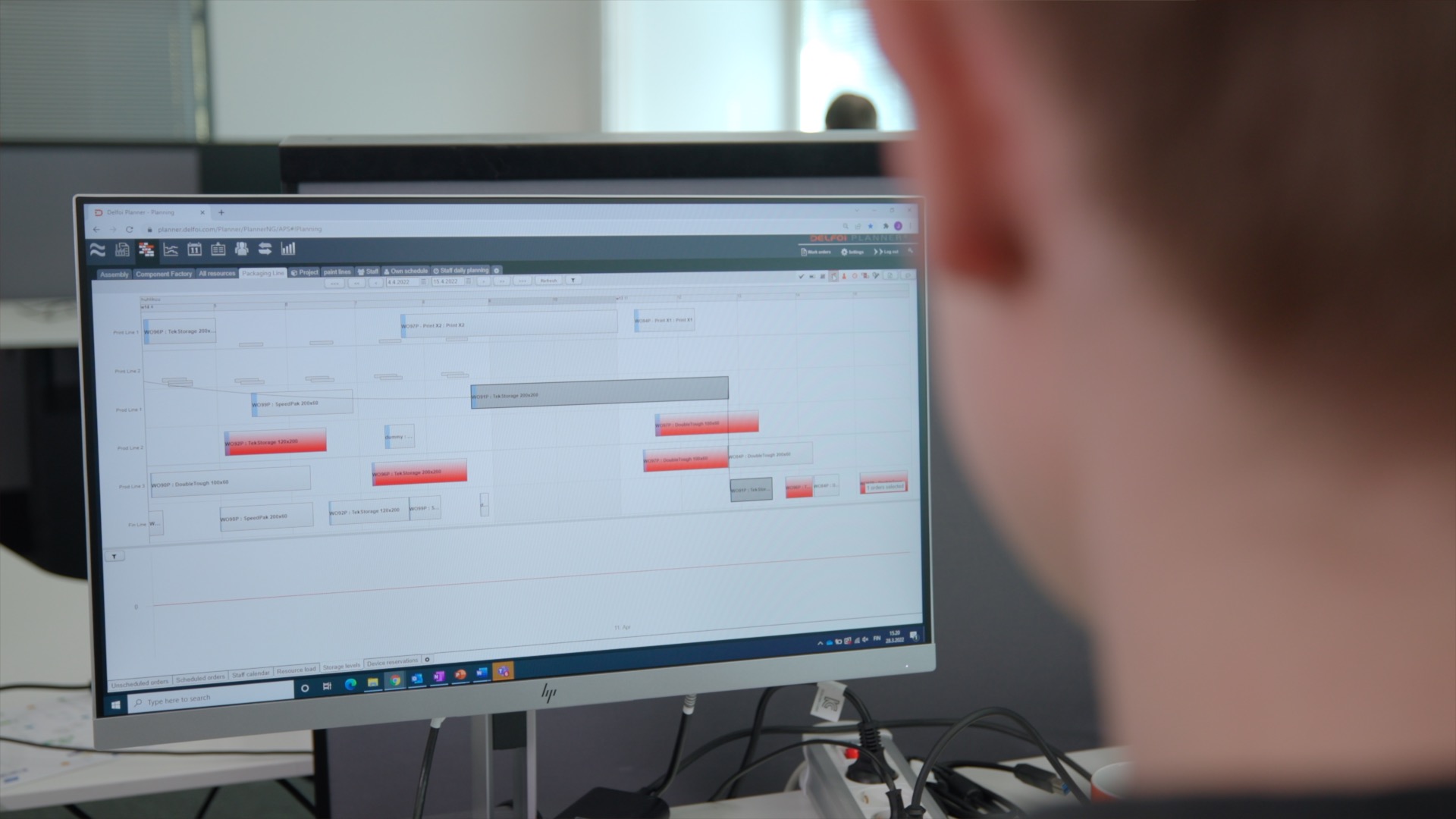
Data integration approaches should leverage NetSuite’s existing infrastructure while extending capabilities to capture real-time production metrics. This integration ensures that bottleneck identification systems work with accurate, up-to-date information about work orders, resource availability, and inventory levels. Some manufacturers enhance their NetSuite environment with specialized production planning tools that provide advanced analytics and visualization capabilities for bottleneck detection.
Alert mechanisms form a crucial component of effective monitoring systems. These should provide graduated notifications based on severity levels, ensuring that minor deviations receive appropriate attention without overwhelming production managers with false alarms. Successful alert systems distinguish between informational updates, warnings requiring monitoring, and critical alerts demanding immediate action.
Organizational processes supporting continuous bottleneck detection must define clear roles and responsibilities for monitoring, analysis, and response. Production teams need established procedures for investigating alerts, implementing corrective measures, and documenting lessons learned. Regular review cycles should evaluate monitoring effectiveness and adjust thresholds based on operational experience.
Successful real-time monitoring systems combine automated data collection with human expertise to create responsive production environments that maintain optimal flow.
Training programs ensure that personnel understand how to interpret monitoring data and respond appropriately to different types of constraints. This includes technical training on system operation and analytical training on bottleneck identification principles. The most effective implementations also establish feedback loops that capture insights from shop floor personnel who often observe developing constraints before they appear in formal metrics.
Continuous improvement processes should regularly evaluate monitoring effectiveness and identify opportunities for enhancement. This includes reviewing false positive rates, assessing response times to genuine bottlenecks, and measuring the impact of early detection on overall production performance. Advanced solutions like Delfoi Planner for NetSuite can provide sophisticated analytics and optimization capabilities that drive ongoing refinements and improve system accuracy and operational value over time.