Manufacturing teams running SAP systems often find themselves caught between the robustness of their enterprise platform and the daily reality of production planning challenges. While SAP provides comprehensive business management capabilities, many production planners struggle with the complexity and rigidity of standard planning modules when trying to respond quickly to changing customer demands, supply chain disruptions, or capacity constraints.
The gap between SAP production planning capabilities and real-world manufacturing agility has become increasingly apparent as market demands evolve. Modern production environments require instant visibility, flexible scheduling, and intuitive interfaces that enable planners to make informed decisions without navigating complex system hierarchies or waiting for batch processing updates.
This article explores how manufacturers can bridge this gap by understanding the limitations of standard SAP planning modules, identifying what modern production environments truly require, and discovering how enhancement solutions can transform planning efficiency while preserving existing SAP investments. You will gain insights into the key features that drive successful production planning and learn practical approaches to creating more responsive, visible, and agile planning processes.
Why SAP production planning faces modern challenges
Standard SAP production planning modules were designed for stability and comprehensive data management rather than the rapid decision-making cycles that characterize today’s manufacturing environments. Many production planners find themselves spending considerable time navigating between different SAP screens, manually consolidating information, and working with data that may not reflect real-time shop floor conditions.
The complexity barriers within SAP often require extensive training and deep system knowledge to perform routine planning tasks effectively. Planners frequently need to understand multiple modules, master data relationships, and system logic that can feel overwhelming when urgent production decisions need to be made quickly. This complexity can slow down response times precisely when agility matters most.
Integration gaps present another significant challenge, particularly when manufacturers need to incorporate data from shop floor systems, quality control processes, or supplier networks that operate outside the core SAP environment. While SAP provides integration capabilities, creating seamless data flows often requires custom development and ongoing maintenance that many organizations struggle to resource adequately.
Real-time visibility remains one of the most pressing needs in modern manufacturing, yet standard SAP planning modules often rely on batch processing and periodic updates that can leave planners working with outdated information.
Modern manufacturing environments demand planning systems that can adapt quickly to changing customer requirements, supply chain disruptions, and operational constraints. Traditional SAP planning approaches, while comprehensive, may not provide the visual interfaces and drag-and-drop functionality that enable planners to test scenarios, adjust schedules, and communicate changes effectively across departments.
Understanding advanced production planning requirements
Today’s manufacturers operate in environments where customer expectations, supply chain volatility, and competitive pressures require planning systems that go beyond traditional approaches. Production planners need tools that process information in real time, provide clear visibility across departments, and enable rapid responses to both opportunities and disruptions.
Real-time data processing has become essential rather than optional. Planners require immediate access to current inventory levels, machine availability, quality status, and order priorities without waiting for overnight batch runs or manual data updates. This immediacy enables better decision-making and helps prevent small issues from escalating into major production disruptions.
Cross-departmental visibility represents another critical requirement. Modern planning solutions need to bridge the information gaps between production, procurement, quality, maintenance, and sales teams. When everyone works from the same real-time picture, coordination improves and conflicting priorities can be resolved more effectively.
| Planning Capability | Traditional Approach | Modern Requirement |
|---|---|---|
| Schedule Changes | System transactions and regeneration | Visual drag-and-drop adjustments |
| Capacity Analysis | Report-based review | Real-time visual monitoring |
| Exception Handling | Manual identification and resolution | Automated alerts with suggested actions |
Flexible scheduling capabilities enable planners to test different scenarios, evaluate trade-offs, and optimize resource utilization without disrupting live production data. This includes the ability to model what-if scenarios, compare alternative approaches, and implement changes with confidence in their impact on delivery commitments and resource requirements.
Change management support becomes crucial when planning systems need to accommodate frequent adjustments while maintaining data integrity and traceability. Modern manufacturers require systems that can handle dynamic scheduling changes while preserving audit trails and ensuring that all stakeholders remain informed of updates that affect their responsibilities.
How enhancement solutions transform SAP planning efficiency
Enhancement solutions work alongside existing SAP systems to address planning limitations without requiring wholesale system replacement or disruption to established business processes. These specialized tools create an intelligent layer that transforms SAP data into more accessible, visual, and actionable information for production planners.
The fundamental approach involves maintaining SAP as the master data repository while providing planners with intuitive interfaces that simplify complex planning tasks. Rather than navigating multiple SAP screens and transactions, planners can work with visual scheduling boards, drag-and-drop functionality, and real-time dashboards that present information in formats designed for quick decision-making.
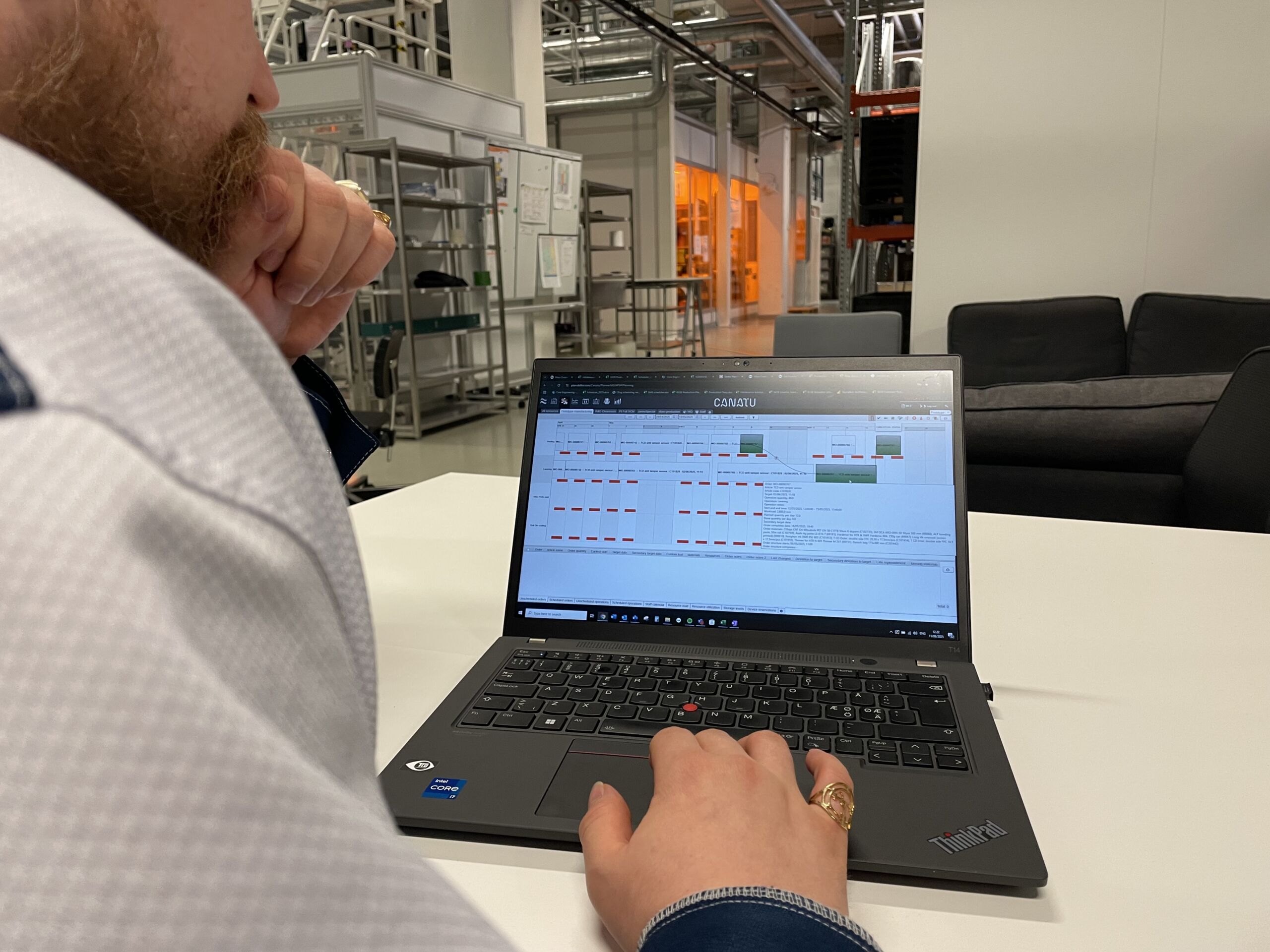
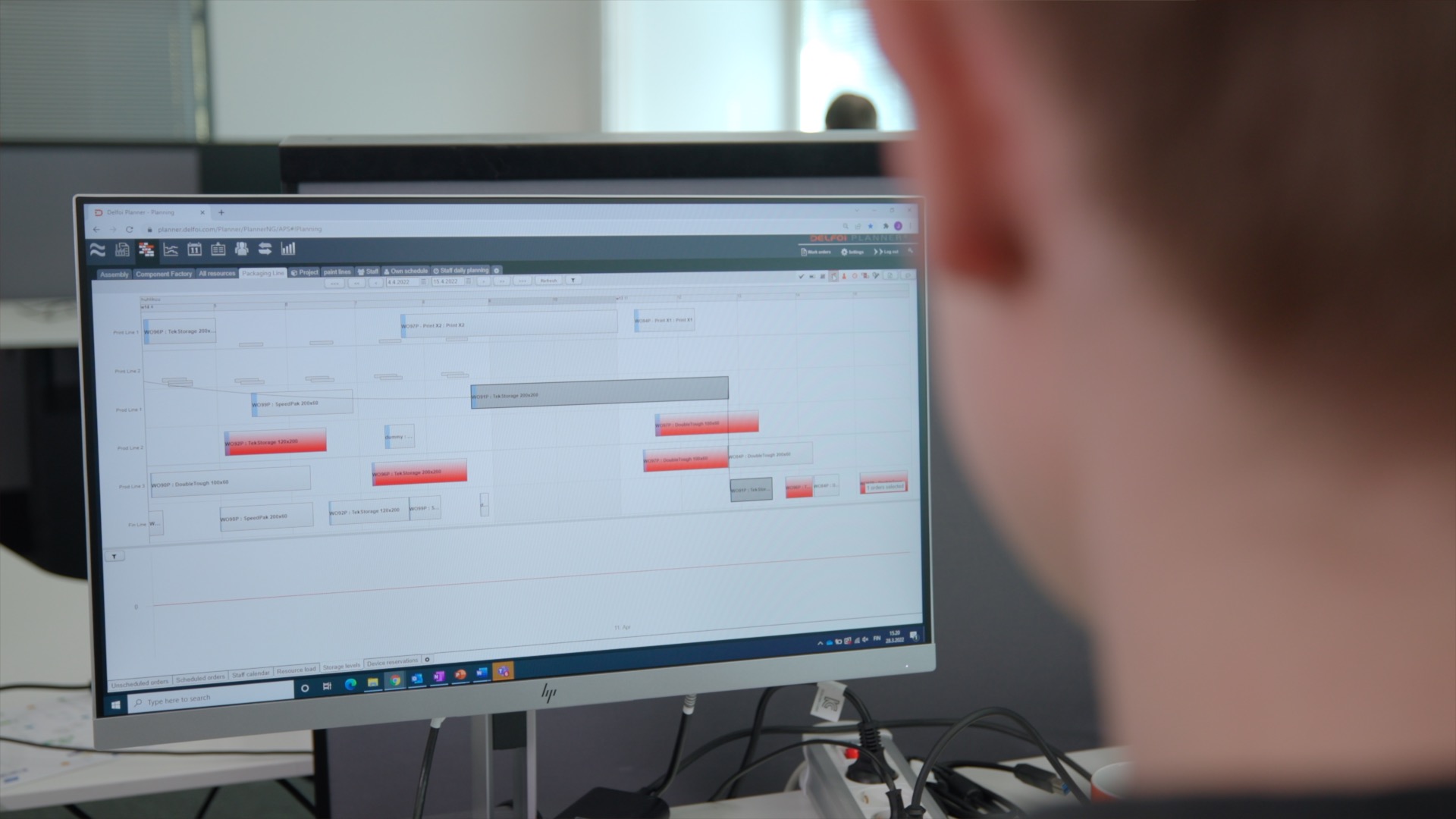
Better visualization capabilities transform how planners interact with production data. Instead of working with text-based reports and numerical displays, enhancement solutions typically provide Gantt charts, capacity heat maps, and graphical representations that make bottlenecks, conflicts, and opportunities immediately apparent. This visual approach enables faster pattern recognition and more confident decision-making.
Solutions like Delfoi Planner for SAP demonstrate how enhancement tools can complement SAP systems by adding visual scheduling capabilities and advanced algorithms while maintaining full connectivity to SAP master data. This approach preserves existing SAP investments while addressing the agility and visibility gaps that many manufacturers experience.
The integration maintains data consistency between systems while enabling planners to work more efficiently. Changes made through enhanced planning interfaces automatically update SAP data, ensuring that financial systems, procurement processes, and reporting functions continue to operate with accurate information. This seamless integration eliminates the double-entry and synchronization challenges that can arise with standalone planning systems.
Enhanced planning solutions also enable faster decision-making by providing immediate feedback on planning changes. Planners can see the impact of schedule adjustments on capacity utilization, delivery dates, and resource requirements in real time, enabling more informed choices and reducing the risk of unintended consequences.
Key features that drive production planning success
Effective production planning solutions combine several essential capabilities that address the practical challenges manufacturers face daily. These features work together to create planning environments that support both strategic decision-making and operational responsiveness.
Advanced scheduling algorithms form the foundation of modern planning success. These algorithms consider multiple constraints simultaneously, including machine capacity, material availability, skill requirements, and delivery commitments. Rather than requiring planners to manually balance these factors, intelligent algorithms can generate optimized schedules that maximize efficiency while meeting business objectives.
Real-time monitoring capabilities provide continuous visibility into plan performance versus actual execution. This includes tracking order progress, identifying developing bottlenecks, and highlighting exceptions that require attention. When planners can see deviations as they occur, they can take corrective action before problems impact customer deliveries or resource utilization.
- Drag-and-drop interfaces that enable quick schedule adjustments without system expertise
- Automated optimization routines that balance multiple planning objectives
- Exception handling systems that prioritize issues requiring immediate attention
- What-if simulation capabilities for testing planning scenarios
- Integration APIs that connect seamlessly with existing enterprise systems
Seamless integration with existing enterprise systems ensures that enhanced planning capabilities work within established business processes rather than requiring workflow changes. This includes maintaining connections to SAP modules, shop floor systems, quality management platforms, and supplier networks that provide essential planning information.
The most successful planning implementations combine powerful algorithms with intuitive interfaces, enabling both novice and expert users to contribute effectively to planning decisions.
Exception handling capabilities automatically identify situations requiring planner attention, such as capacity overloads, material shortages, or delivery risks. Rather than requiring planners to manually scan through reports and data, intelligent exception management presents prioritized lists of issues with suggested resolution approaches, enabling more efficient use of planning time and expertise.
Modern planning solutions also provide collaborative features that enable multiple team members to contribute to planning decisions while maintaining data integrity and change control. This includes role-based access controls, approval workflows, and communication tools that keep all stakeholders informed of planning changes that affect their responsibilities.