Manufacturing organisations worldwide invest millions in SAP production planning systems, yet many struggle to achieve the operational excellence they anticipated. Despite SAP’s robust capabilities, companies frequently encounter unexpected hurdles that transform what should be streamlined production processes into complex operational challenges.
The reality is that SAP production planning success depends on far more than just software implementation. From data integration complexities to user adoption barriers, organisations must navigate a landscape of interconnected challenges that can significantly impact manufacturing efficiency and bottom-line results.
This comprehensive guide explores the most common obstacles facing SAP production planning implementations and provides practical solutions to overcome them. You will discover why traditional scheduling approaches often fall short, learn the essential factors for optimisation success, and gain strategic insights for enhancing manufacturing efficiency within your SAP environment.
Common SAP production planning implementation challenges
The journey towards effective SAP production planning begins with understanding the typical obstacles that organisations encounter during implementation. These challenges often emerge unexpectedly, catching teams off guard and potentially derailing project timelines and budgets.
Data integration issues represent one of the most significant hurdles. Legacy systems, disparate databases, and inconsistent data formats create a complex web that must be untangled before SAP can function optimally. Manufacturing organisations frequently discover that their existing data lacks the quality and standardisation required for effective production planning, leading to delays and additional costs.
User adoption barriers present another critical challenge. Shop floor workers and planning teams may resist new processes, particularly when transitioning from familiar manual systems or legacy software. This resistance often stems from inadequate training, fear of change, or concerns about job security. Without proper change management strategies, even the most sophisticated SAP implementation can fail to deliver expected results.
System configuration complexities can transform straightforward implementations into lengthy, resource-intensive projects that strain both budgets and team morale.
Configuration complexities add another layer of difficulty. SAP’s flexibility, while powerful, requires careful customisation to align with specific manufacturing processes. Organisations often underestimate the time and expertise needed to configure modules properly, leading to systems that do not fully support their operational requirements. These configuration challenges can result in workarounds that undermine system efficiency and create long-term maintenance issues.
Why traditional production scheduling falls short in SAP
Many organisations approach SAP production planning with conventional scheduling methodologies that worked in simpler environments but prove inadequate for modern manufacturing complexities. These traditional approaches often create bottlenecks and inefficiencies that prevent companies from realising SAP’s full potential.
Capacity constraints represent a fundamental limitation of traditional scheduling within SAP environments. Standard approaches typically assume static capacity levels and fail to account for real-time variations in equipment availability, workforce fluctuations, or quality issues. This disconnect between planning assumptions and shop floor reality leads to unrealistic schedules that cannot be executed effectively.
Demand variability challenges further expose the weaknesses of conventional scheduling methods. Traditional systems struggle to adapt quickly to changing customer requirements, supply chain disruptions, or market fluctuations. The result is often a rigid planning structure that cannot respond appropriately to the dynamic nature of modern manufacturing environments.
The gap between planning theory and shop floor execution becomes particularly evident when traditional scheduling methods encounter SAP’s complexity. Planners may create schedules that look perfect on paper but prove impossible to implement due to resource constraints, material availability issues, or operational dependencies that were not adequately considered during the planning phase.
Advanced planning solutions that integrate seamlessly with SAP can bridge this gap by providing real-time visibility and dynamic scheduling capabilities. These systems transform static planning data into actionable, adaptable schedules that reflect actual shop floor conditions and constraints.
Key factors for successful SAP production optimisation
Achieving excellence in SAP production planning requires a systematic approach that addresses both technical and organisational factors. Understanding these critical elements can mean the difference between a successful implementation and a costly disappointment.
Data quality requirements form the foundation of effective production planning. Clean, accurate, and consistently formatted data enables SAP to generate reliable schedules and forecasts. Organisations must invest in data cleansing processes, establish data governance protocols, and implement ongoing quality monitoring to maintain the integrity of their planning information.
Process standardisation needs cannot be overlooked. Successful SAP production planning implementations require clearly defined, standardised processes that eliminate ambiguity and ensure consistent execution across different departments and locations. This standardisation extends beyond technical procedures to include communication protocols, decision-making frameworks, and performance measurement criteria.
| Success Factor | Key Requirement | Implementation Priority |
|---|---|---|
| Data Quality | Clean, standardised information | High |
| Process Standardisation | Consistent workflows | High |
| System Integration | Seamless data flow | Medium |
| User Training | Comprehensive skill development | Medium |
Integration considerations play a crucial role in achieving operational excellence. SAP production planning systems must connect seamlessly with existing manufacturing execution systems, quality management platforms, and supply chain networks. Poor integration can create information silos that undermine planning effectiveness and reduce overall system value.
Strategic approaches to SAP manufacturing efficiency
Developing a comprehensive framework for enhancing production planning effectiveness requires strategic thinking that goes beyond technical implementation. Successful organisations adopt systematic methodologies that address workflow optimisation, real-time visibility, and change management simultaneously.
Workflow optimisation begins with mapping existing processes and identifying improvement opportunities. This involves analysing current planning cycles, communication patterns, and decision-making workflows to eliminate redundancies and streamline operations. Effective workflow optimisation creates clear pathways for information flow and establishes accountability at each stage of the planning process.
Real-time visibility implementation transforms how organisations monitor and control their production operations. By providing instant access to current production status, resource availability, and performance metrics, real-time systems enable proactive decision-making that prevents problems rather than simply reacting to them.
Change management strategies are essential for ensuring that technological improvements translate into actual operational benefits. This includes comprehensive training programmes, clear communication about system benefits, and ongoing support structures that help users adapt to new processes and tools.
The most successful SAP production planning implementations combine technical excellence with strategic change management to create sustainable operational improvements.
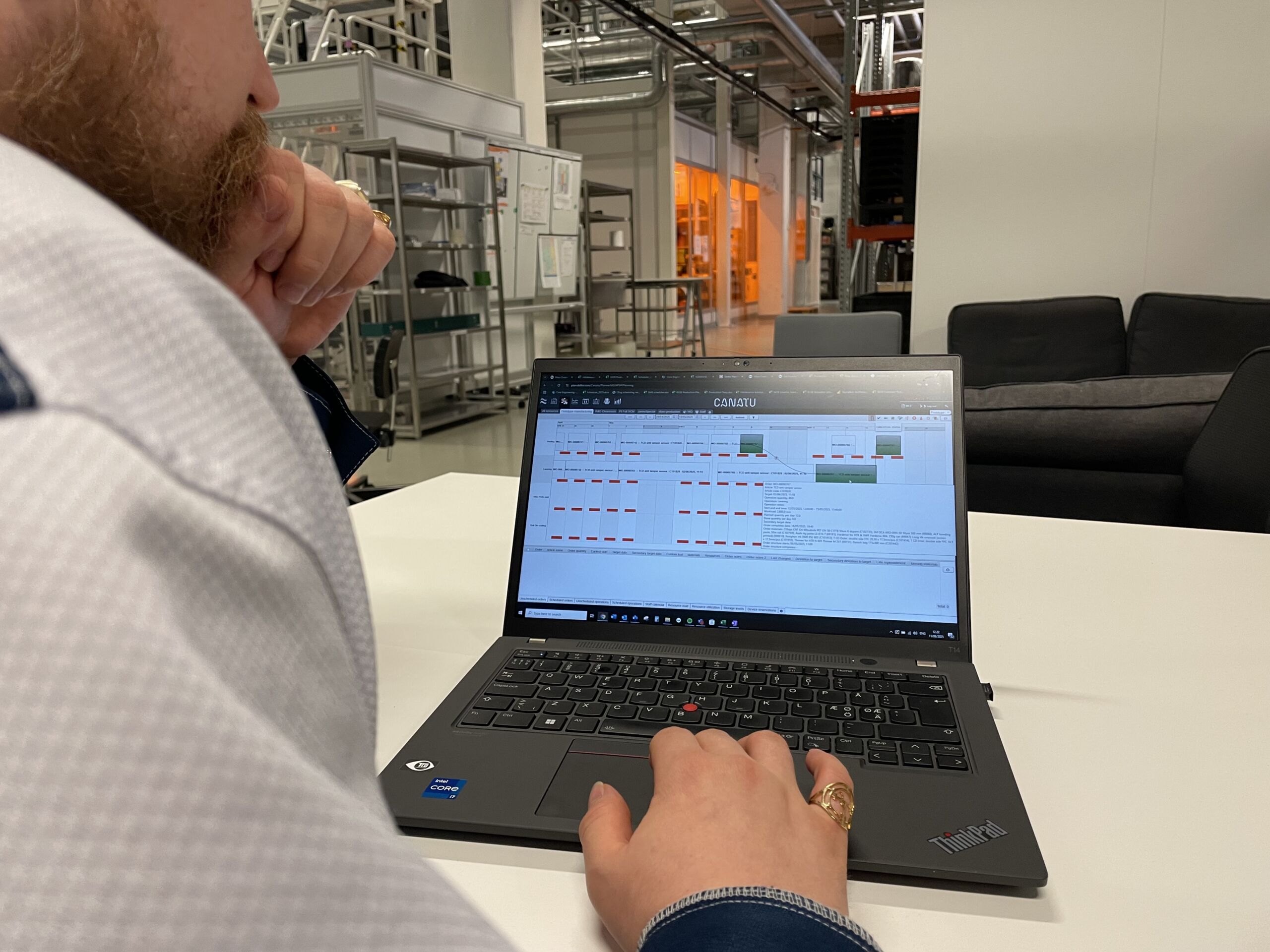
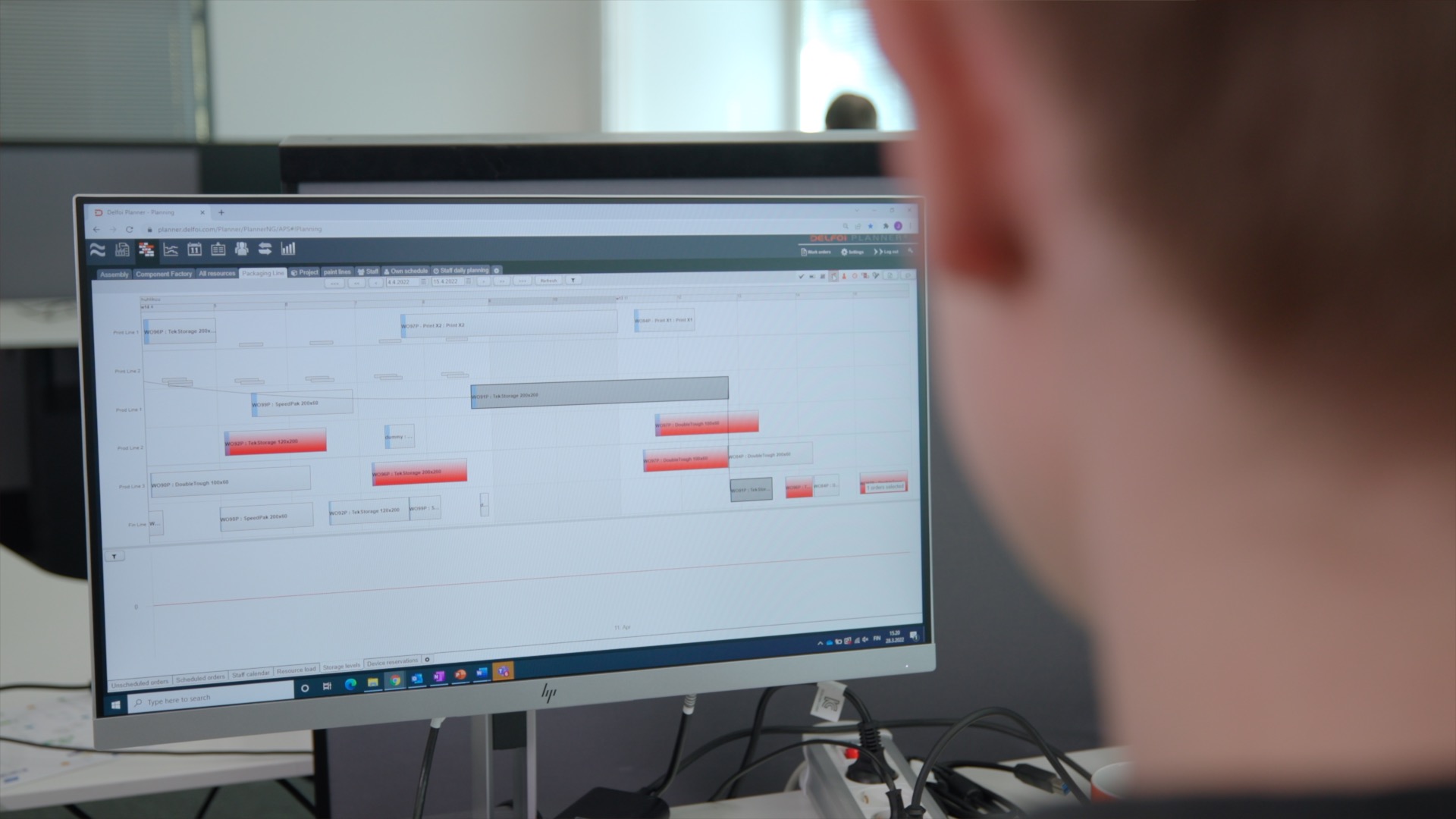
For organisations seeking enhanced agility and visibility in their SAP production planning, specialised solutions like Delfoi Planner for SAP can complement existing SAP environments by adding intelligent, visual scheduling capabilities while maintaining full integration with SAP master data. Such tools help transform complex SAP production information into clear, actionable plans that support rapid decision-making and improved operational control.