What are the latest trends in production planning?
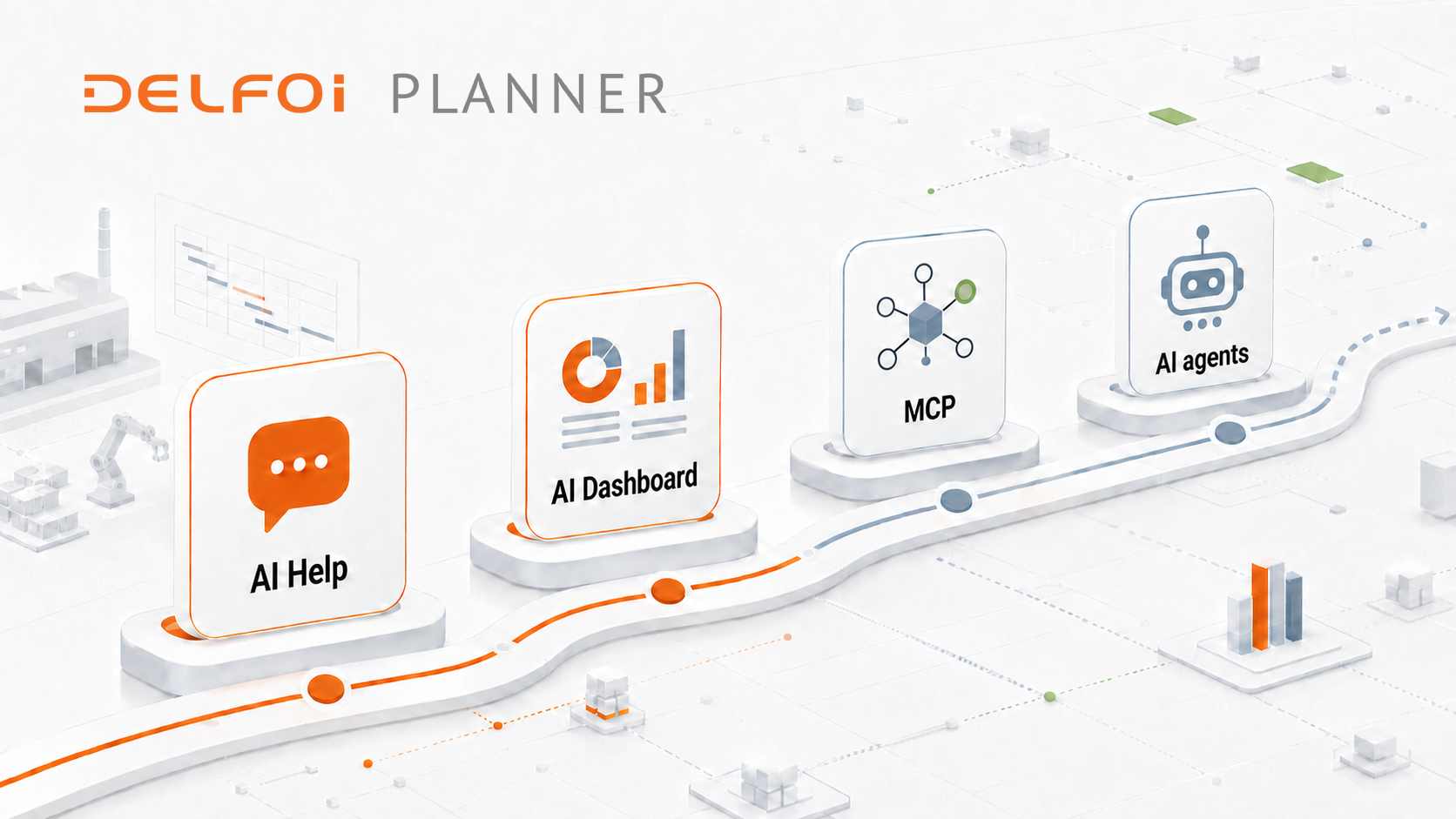
In today’s fast-paced industrial environment, production planning is undergoing significant transformations driven by new technologies and methodologies. One of the latest trends is the integration of artificial intelligence (AI) and machine learning, which are enhancing predictive capabilities. These technologies allow systems to anticipate production bottlenecks and optimize schedules in real-time, a significant departure from traditional static planning methods.
Another emerging trend is the use of cloud-based solutions to enable more flexible and scalable planning. This approach allows companies to adapt quickly to changes in demand and supply chain disruptions, supporting better decision-making processes. Furthermore, the emphasis on sustainability in production planning is increasing, with companies striving to optimize resource allocation to minimize waste and reduce their environmental footprint.
How has technology advanced production planning?
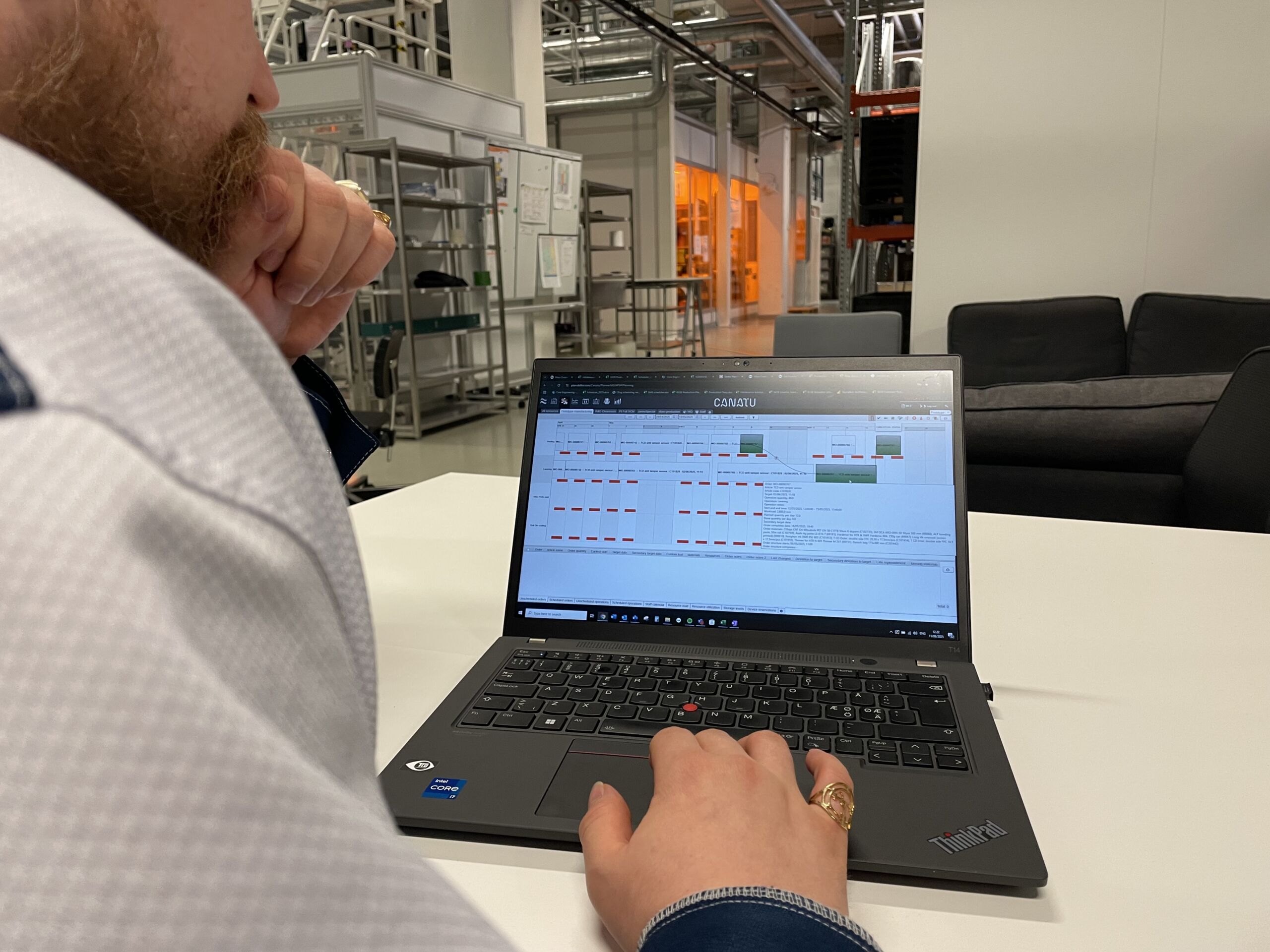
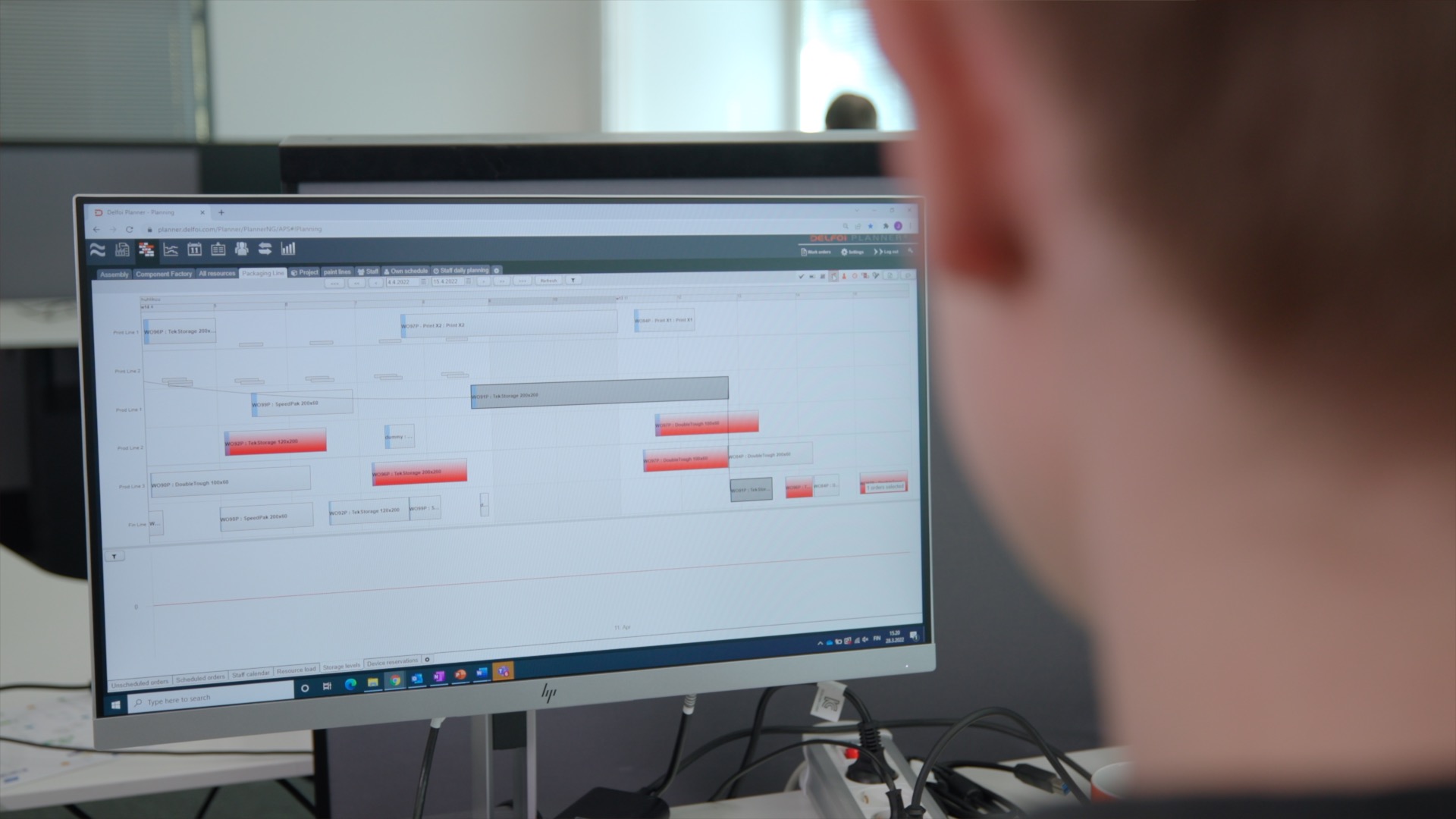
Technology has revolutionized production planning, fundamentally changing how companies manage and execute their manufacturing processes. The adoption of Advanced Planning and Scheduling (APS) systems, like the Delfoi Planner APS, provides a comprehensive solution for managing complex production environments. These systems facilitate real-time scheduling, capacity planning, and the optimization of resources, leading to increased operational efficiency.
Moreover, the advent of data analytics tools enables companies to harness large volumes of data to gain insights into their production processes. By leveraging these insights, companies can make informed decisions, improve accuracy, and reduce lead times. Additionally, automation plays a crucial role by streamlining repetitive tasks, allowing human resources to focus on strategic planning and innovation.
What challenges do companies face in adapting to new trends?
While the benefits of new trends in production planning are clear, companies often face several challenges in their implementation. One common obstacle is the resistance to change from employees accustomed to traditional methods. Overcoming this requires effective change management strategies, including comprehensive training and clear communication about the benefits of new systems.
Another challenge is the initial investment cost associated with adopting advanced technologies, which can be a barrier for smaller organizations. However, companies can mitigate these costs by implementing scalable solutions that allow for incremental upgrades. Also, the integration of new systems with existing infrastructure can be complex, necessitating careful planning and expert consultation to ensure a smooth transition.
| Challenge | Solution |
|---|---|
| Resistance to change | Implement comprehensive training programs |
| High initial investment | Adopt scalable solutions with phased implementation |
| Integration complexities | Seek expert consultation for seamless integration |
How can companies implement advanced production planning strategies?
Implementing advanced production planning strategies requires a structured approach. Firstly, companies should conduct a thorough assessment of their current processes to identify areas for improvement. This involves mapping out existing workflows and pinpointing inefficiencies or bottlenecks.
Next, organizations should select the right technology solutions that align with their strategic goals. Solutions like the Delfoi Planner APS offer features tailored to various industry needs, ensuring flexibility and adaptability. Once a solution is chosen, companies should prioritize pilot testing to validate its effectiveness before full-scale implementation. Throughout this process, continuous monitoring and feedback loops are essential to refine and optimize the planning strategy.
What are the benefits of staying updated with production planning advancements?
Keeping abreast of the latest advancements in production planning offers numerous benefits. Companies can achieve a competitive edge by improving their operational efficiency and agility. Advanced planning tools enable quicker response times to market changes, enhancing overall customer satisfaction and loyalty.
Furthermore, updated production planning systems contribute to cost savings by reducing waste and optimizing resource usage. This efficiency not only boosts profitability but also supports sustainability initiatives. Ultimately, staying updated ensures that a company remains relevant in an ever-evolving industrial landscape, prepared to tackle future challenges and seize opportunities.