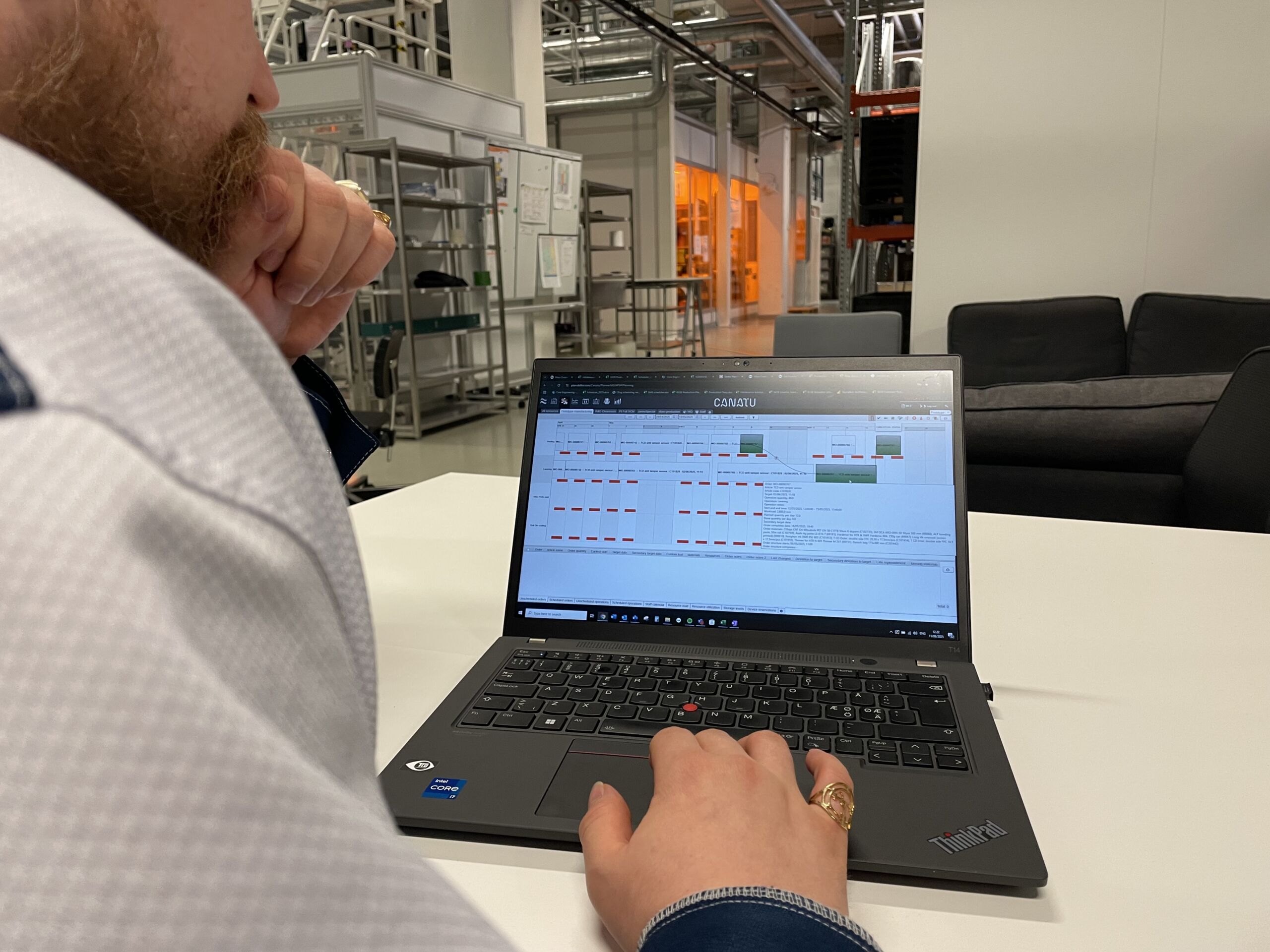
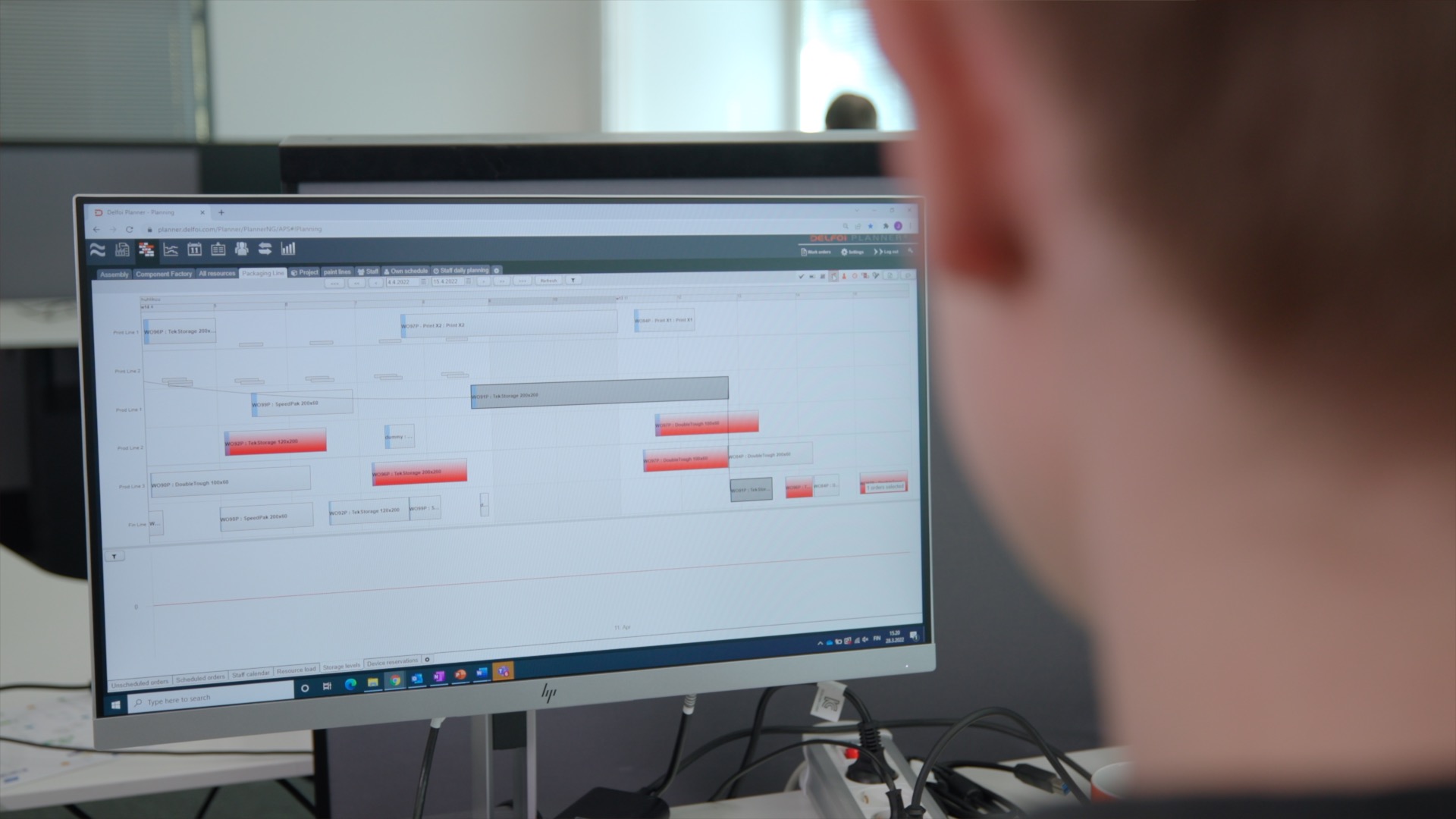
Effective production planning is vital for the manufacturing sector as it optimizes resources, minimizes waste, and enhances operational efficiency. By strategically aligning production schedules with demand forecasts, manufacturers can reduce lead times and improve delivery reliability. At Delfoi, we specialize in advanced production planning solutions that empower organizations to boost competitiveness and profitability by enhancing transparency and real-time operations. This article explores the multifaceted benefits of production planning, its impact on efficiency and profitability, and how technology is reshaping these processes.
What is production planning and why is it crucial for manufacturing?
Production planning is the strategic process of organizing the elements of production, from resource allocation to scheduling tasks, to ensure efficient operations in the manufacturing industry. It is crucial because it streamlines processes, reduces operational costs, and enhances output quality. By anticipating demand and adjusting operations accordingly, companies can optimize their workflows and resource use, thereby increasing overall efficiency.
In the manufacturing industry, production planning helps synchronize supply chain activities, ensuring that materials and labor are available when needed. This coordination minimizes downtime and prevents bottlenecks, which in turn leads to smoother operational flow and better product quality. Moreover, effective production planning is essential for meeting customer demands promptly and maintaining a competitive edge in the market.
How does production planning improve operational efficiency?
Production planning enhances operational efficiency by optimizing resource allocation, coordinating schedules, and streamlining workflows. By precisely forecasting demand, manufacturers can adjust their production schedules to align with market needs, reducing idle time and maximizing equipment utilization. Scheduling tools help in assigning tasks efficiently, ensuring that all resources are utilized optimally without overburdening any single element.
Furthermore, workflow optimization involves analyzing and reconfiguring production processes to reduce waste and improve productivity. By identifying and eliminating inefficiencies, companies can achieve more with less, directly impacting their bottom line. Delfoi’s solutions, for example, enable real-time adjustments and transparency in operations, facilitating immediate responses to any disruptions, thus maintaining operational continuity.
What are the key components of successful production planning?
The essential elements of successful production planning include forecasting, capacity planning, scheduling, and inventory management. Forecasting involves predicting future demand to prepare production schedules accordingly. This anticipatory action ensures that resources are not over- or under-utilized, leading to balanced operations.
Capacity planning determines the optimal level of production output that matches demand forecasts while considering constraints like machine capacity and labor availability. Scheduling is about assigning the right tasks to the right resources at the right time, ensuring a seamless flow of operations. Finally, inventory management involves maintaining an optimal level of stock to meet production and demand needs without incurring unnecessary holding costs.
How does production planning impact profitability in manufacturing?
Effective production planning is directly linked to increased profitability as it leads to cost reductions and improved profit margins. By streamlining operations, manufacturers reduce waste and enhance efficiency, which lowers production costs. Well-planned scheduling ensures that machines and labor are used effectively, reducing idle time and increasing output.
Moreover, by aligning production with demand forecasts, companies can avoid overproduction and underutilization of resources, both of which can be costly. Enhanced inventory management results in less capital tied up in unsold stock, freeing up resources for other investments. Ultimately, improved operational efficiency translates into higher profitability as companies can deliver products more quickly and reliably to the market, satisfying customer demands and earning repeat business.
What challenges do manufacturers face without proper production planning?
Without adequate production planning, manufacturers may encounter several challenges, including delays, resource wastage, and quality control issues. Delays occur when production schedules are not aligned with demand, leading to missed deadlines and dissatisfied customers. Resource wastage happens when materials and labor are not used efficiently, resulting in unnecessary costs.
Additionally, lack of planning can lead to quality control problems as rushed or poorly coordinated production processes may overlook critical quality checks. This can cause defects and returns, damaging the company’s reputation and leading to financial losses. Therefore, implementing robust production planning is essential to mitigate these risks and ensure smooth, efficient operations.
How can technology enhance production planning processes?
Technology significantly enhances production planning processes by providing tools for better data analysis, real-time tracking, and automation. Advanced software solutions, like Delfoi’s offerings, allow manufacturers to create dynamic production schedules that can adjust to changes in demand or resource availability instantly.
These solutions also facilitate real-time visibility into production operations, enabling proactive management and quick decision-making. Automation of routine tasks reduces human error and frees up resources for more strategic activities. By integrating these technological advancements, manufacturers can overcome traditional challenges in production planning, boost efficiency, and maintain a competitive advantage in the marketplace.
Mastering Production Planning: Next Steps
To master production planning, manufacturers must focus on integrating advanced technologies and methodologies that enhance operational transparency and efficiency. Key takeaways include the importance of accurate forecasting and capacity planning, the benefits of streamlined scheduling, and the impact of effective inventory management on cost reduction. Embracing technology, such as Delfoi’s solutions, can further enhance planning processes, ensuring real-time adjustments and improved profitability. Moving forward, continuous evaluation and adaptation of production planning strategies will be essential for maintaining a competitive edge in the manufacturing industry.