Companies should generally reassess and adjust their product scheduling at intervals aligned with their specific production environment and market dynamics—typically ranging from daily to monthly. Industries experiencing rapid market shifts or complex production processes may require daily or weekly updates, while more stable sectors can manage with monthly or quarterly revisions. Regular adjustments ensure optimal responsiveness, resource efficiency, and customer satisfaction through timely adaptation to demand fluctuations and operational changes.
What is the ideal frequency for updating product scheduling?
The ideal frequency varies widely depending on industry, market volatility, and production complexity. For instance, high-tech manufacturing that face rapid innovation cycles and fluctuating demands typically benefit from weekly or even daily schedule updates. Conversely, industries like heavy machinery manufacturing or aerospace, where processes are more stable and predictable, might find monthly to quarterly scheduling updates sufficient. The key lies in aligning scheduling frequency with demand variability and production complexity to optimize operational efficiency.
Why is regularly updating product scheduling important for businesses?
Regularly updating product scheduling is crucial as it provides organizations with agility and responsiveness to market changes. By ensuring schedules reflect current demand, resource availability, and production constraints, businesses achieve several tangible benefits:
- Improved Efficiency: Timely adjustments reduce downtime and avoid production bottlenecks.
- Resource Optimization: Accurate scheduling minimizes inventory costs and maximizes equipment utilization.
- Enhanced Customer Satisfaction: Adapting rapidly to demand changes improves order fulfillment rates and delivery reliability.
- Increased Competitiveness: Companies that respond swiftly to market fluctuations gain competitive advantage through superior flexibility and operational precision.
For example, a manufacturing company adopting agile scheduling practices can reduce unplanned downtime by up to 20%, significantly improving throughput and profitability.
How can companies determine the best scheduling update frequency?
Determining how frequently production schedules should be revised involves assessing several critical factors specific to a company’s operations:
- Market Volatility: Companies in rapidly changing markets need more frequent schedule updates to quickly adapt to new conditions.
- Product Type and Complexity: Complex products or those with shorter product lifecycles demand more frequent adjustments.
- Production Methods: Lean or Just-In-Time (JIT) production methods typically require tighter scheduling oversight.
- Technological Capabilities: Advanced scheduling software and predictive analytics tools enable more frequent, accurate, and efficient updates, making it feasible to adjust schedules as often as daily or weekly.
By systematically evaluating these factors, organizations can establish scheduling intervals that best match their business needs and market positioning.
What are common signs indicating a company needs to update its product scheduling more frequently?
Businesses should look out for several clear indicators signaling the need for more frequent scheduling reviews:
- Frequent Production Delays: Regular delays often point to outdated scheduling practices.
- Inventory Management Issues: Excess stock or frequent stockouts suggest schedules no longer reflect actual demand.
- Increased Customer Complaints: Higher dissatisfaction rates around delivery timelines indicate scheduling misalignments.
- Significant Changes in Demand: Sudden shifts in customer orders or market trends require immediate scheduling adjustments.
Address these challenges proactively by adopting more dynamic scheduling practices, such as weekly or daily updates, supported by advanced planning solutions and real-time data analytics.
What tools or technologies can help companies streamline product scheduling updates?
Leveraging modern tools can significantly simplify and optimize the scheduling update process. Key technologies include:
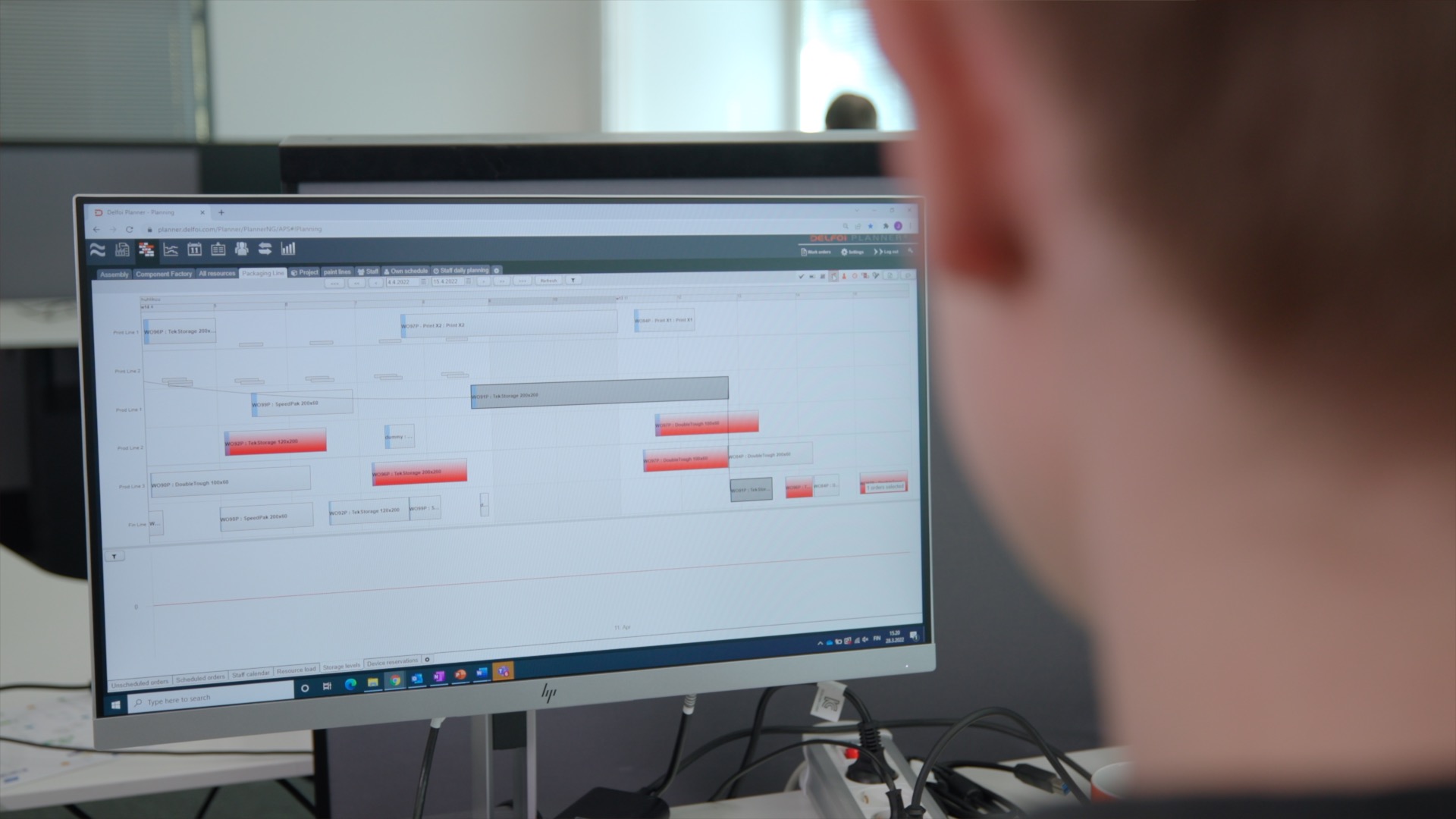
- Advanced Planning and Scheduling (APS) Software: Solutions like Delfoi Planner APS enable sophisticated, real-time scheduling adjustments, optimal resource allocation, and improved production transparency.
- Manufacturing Execution Systems (MES): MES platforms enhance real-time visibility, allowing companies to monitor production progress and immediately reflect changes in schedules.
- Predictive Analytics and AI: AI-driven forecasting enables proactive scheduling adjustments based on anticipated demand fluctuations, resource constraints, and production bottlenecks.
- Integration Capabilities: Tools offering easy integration with ERP systems and supply chain data sources ensure scheduling accuracy and timely information exchange across departments.
Utilizing these technologies empowers organizations to maintain optimal scheduling accuracy, responsiveness, and efficiency, positioning them advantageously in competitive markets.
Mastering Product Scheduling: Next Steps
Optimizing product scheduling frequency is essential for businesses seeking agility, efficiency, and customer satisfaction. Remember these key insights:
- Align scheduling updates with market dynamics and production complexity.
- Watch for clear signals indicating the need for more frequent scheduling adjustments.
- Leverage advanced scheduling solutions and predictive analytics to streamline scheduling processes.
By proactively refining your scheduling practices, your organization can significantly enhance operational performance and market competitiveness. Consider exploring advanced solutions like Delfoi Planner to facilitate these improvements and ensure long-term strategic success.