Effective production planning empowers organizations to swiftly adapt to operational shifts by providing clear visibility, precise resource allocation, and proactive risk management. By accurately forecasting demand, managing inventory strategically, and optimizing scheduling, businesses can quickly respond to supply disruptions, demand fluctuations, or capacity changes. Leveraging advanced planning tools and technologies further enhances responsiveness, stability, and competitiveness, enabling companies to navigate operational uncertainties with confidence and agility.
What is production planning and why is it crucial for operational management?
Production planning refers to the process of coordinating resources, scheduling tasks, and managing inventory to ensure timely and efficient production. It involves aligning production activities with customer demand, available capacity, and supply chain constraints. In operational management, production planning plays a pivotal role by providing clear visibility into operations, enabling informed decision-making, and ensuring smooth daily activities. This structured approach helps businesses proactively address potential disruptions, maintain productivity, and fulfill customer expectations consistently.
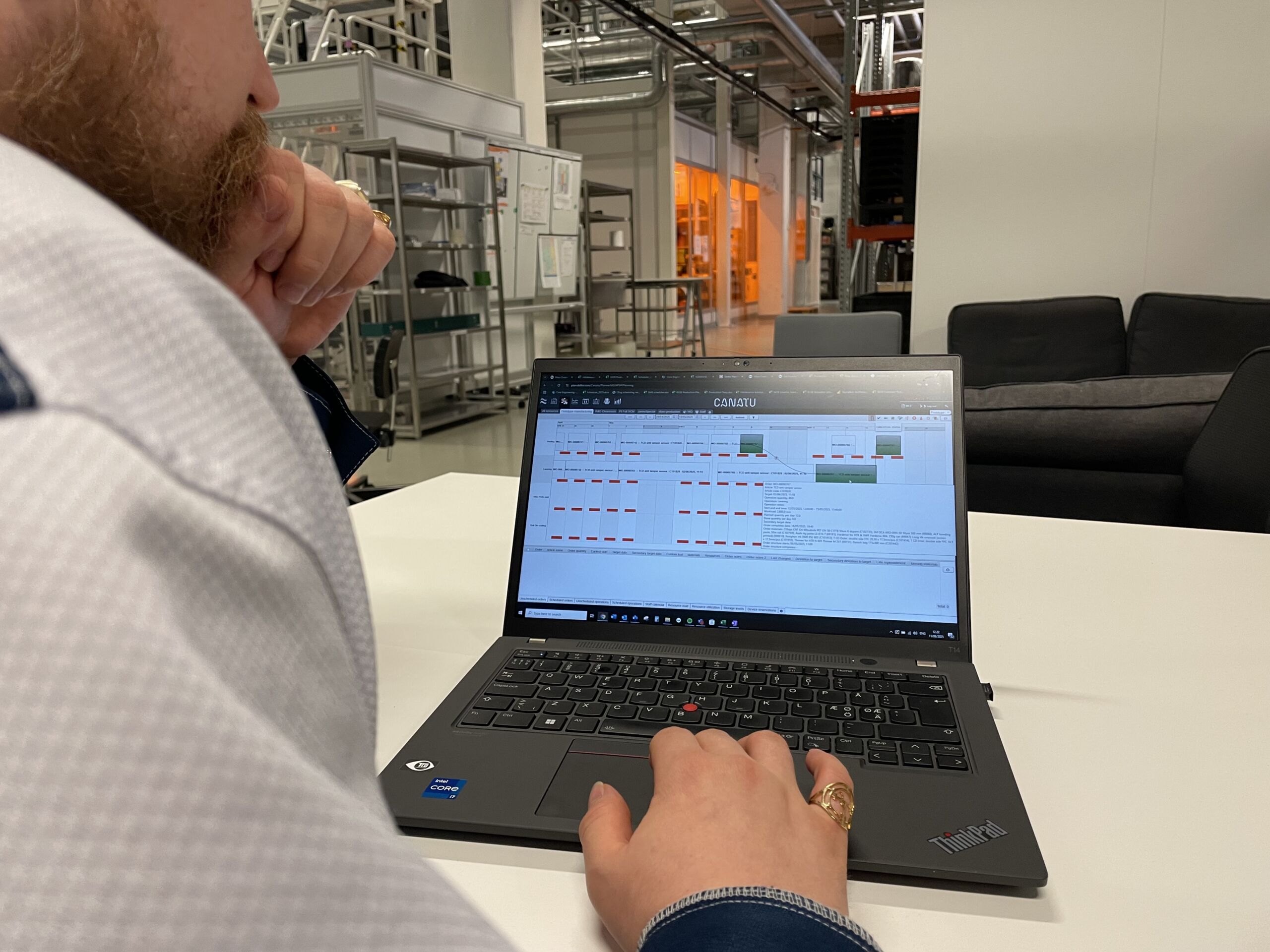
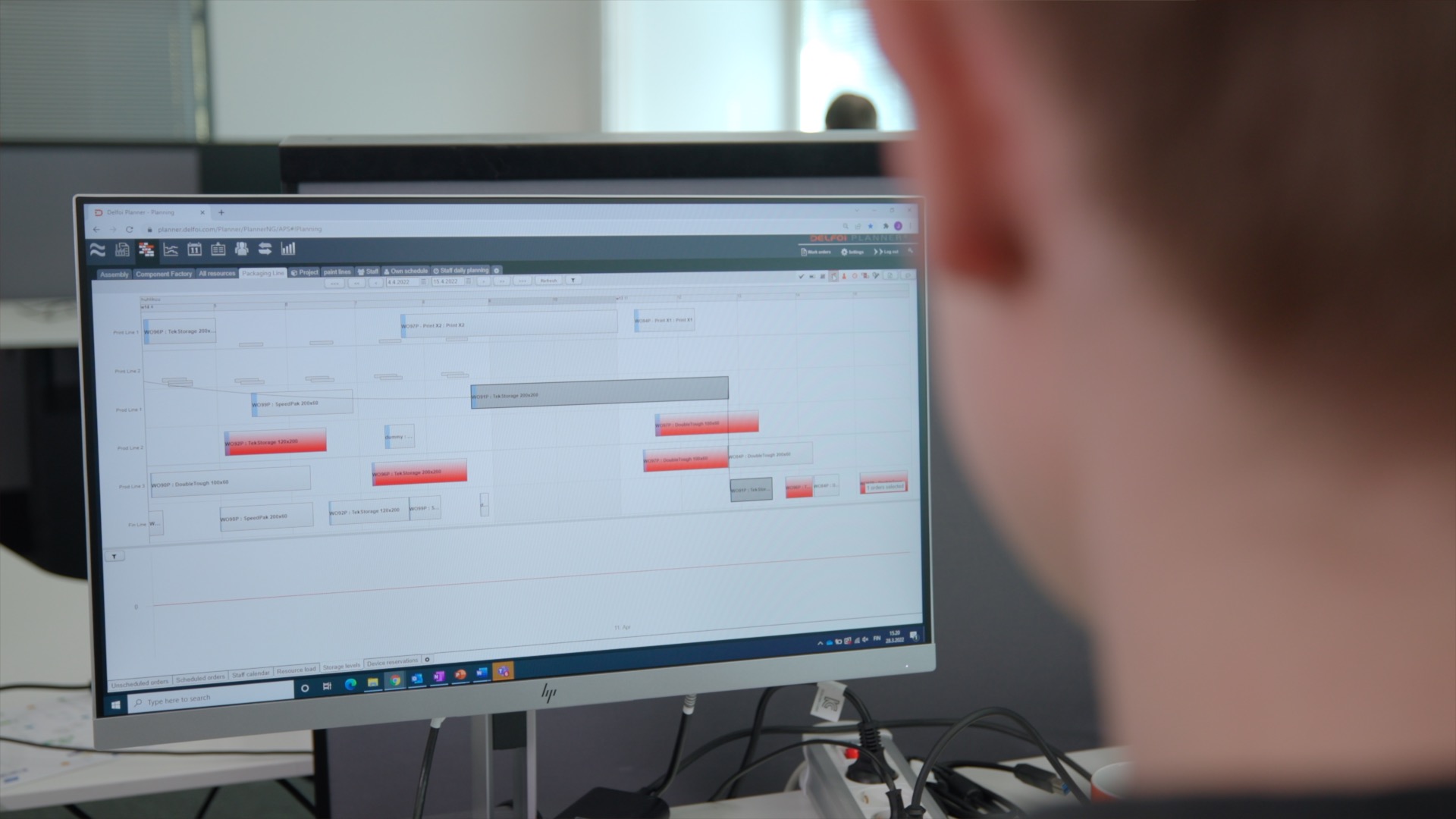
For instance, with solutions like Delfoi Planner APS, manufacturers can visually monitor material availability, workforce capacity, and order progression in real-time, enabling rapid adjustments when operational factors change unexpectedly.
How does effective production planning improve reaction time to unexpected operational changes?
A well-structured approach to production planning significantly enhances an organization’s ability to respond swiftly to unforeseen operational disruptions. Techniques such as real-time scheduling adjustments, inventory buffering, and scenario-based forecasting enable quicker identification and resolution of issues.
Common operational changes include:
- Supply disruptions: With clear visibility into material inventory and supplier performance, organizations can promptly source alternative materials or suppliers.
- Demand fluctuations: Forecast-driven production planning allows rapid recalibration of output, ensuring alignment with actual market demand.
- Capacity constraints: Real-time capacity planning helps redistribute workloads efficiently, preventing bottlenecks.
Our Delfoi Planner MES solution, for example, provides real-time production monitoring and digital task management, enabling immediate adjustments to schedules or priorities based on changing operational circumstances.
What are the key elements of production planning that help manage operational stability?
Several critical components within production planning contribute to operational stability during periods of change:
- Scheduling: Precise scheduling ensures efficient use of resources, minimizes idle times, and maintains timely order fulfillment.
- Inventory management: Effective inventory control prevents shortages or surplus, enabling smooth operations despite demand or supply variations.
- Resource allocation: Optimizing equipment, workforce, and material usage ensures maximum productivity and adaptability in shifting conditions.
- Risk assessment: Proactive risk evaluations identify potential disruptions early, enabling preemptive mitigation strategies.
Utilizing Delfoi Planner SOP, businesses can create scenario-based forecasts and capacity plans, ensuring readiness for various operational contingencies and maintaining business stability.
How do advanced technologies enhance production planning capabilities?
Advanced technologies such as artificial intelligence (AI), machine learning, and predictive analytics significantly elevate production planning effectiveness. These innovations enable better forecasting accuracy, dynamic scheduling, and automated optimization of resources.
Real-world applications include:
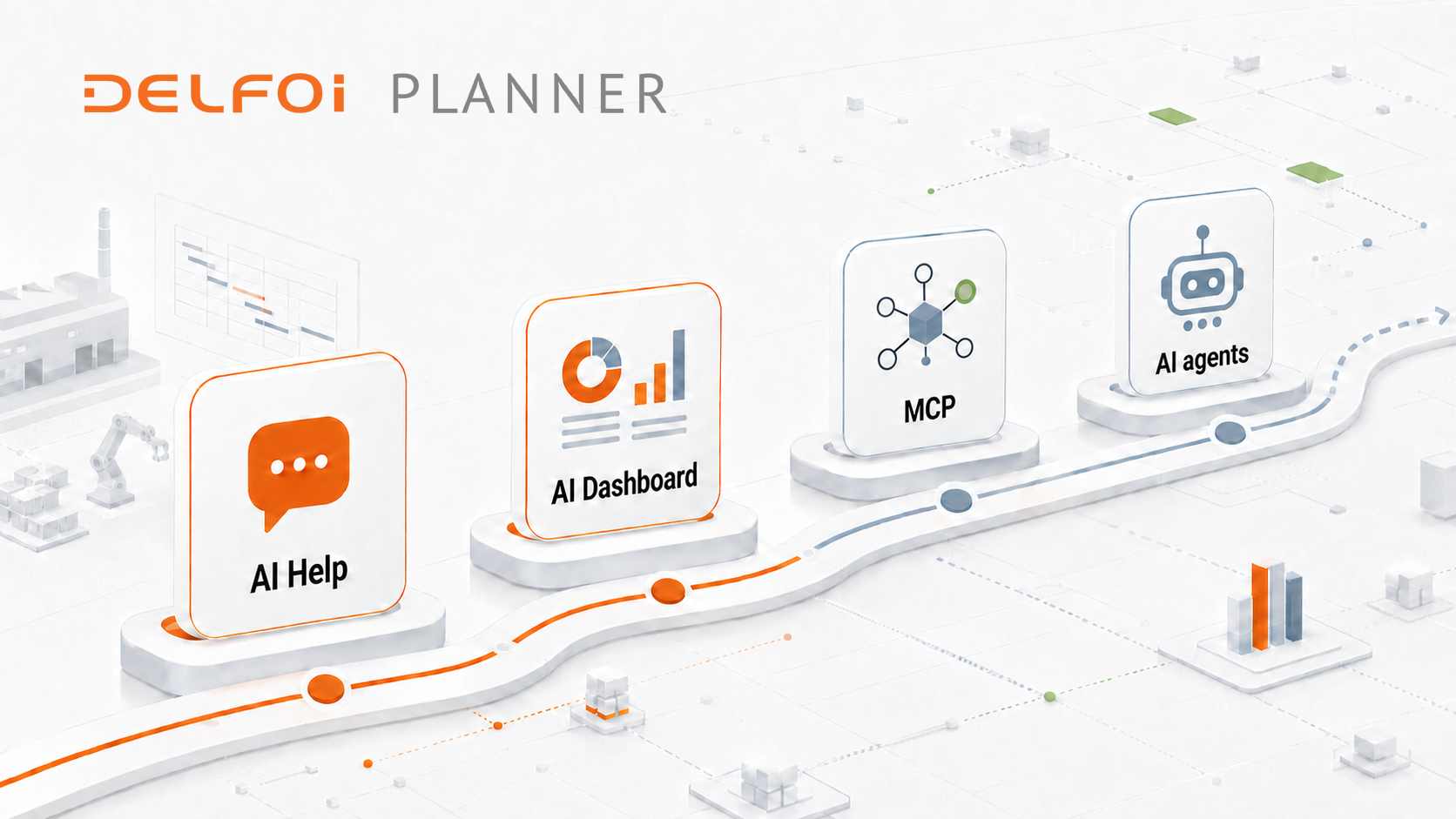
- AI-driven scheduling: Delfoi Planner APS uses artificial intelligence to automate and optimize schedules based on real-time data, minimizing delays and maximizing productivity.
- Predictive analytics: Advanced analytics tools forecast demand more accurately, aligning production closely with anticipated market trends and minimizing waste.
- Machine learning-based optimization: Systems continuously learn from past production data, refining resource allocations and process efficiencies over time.
These technological enhancements position organizations to not just react swiftly but anticipate and strategically prepare for operational changes.
What challenges might companies face in implementing production planning to manage operational changes?
Implementing effective production planning solutions can encounter several common challenges, including:
- Resistance to change: Employees accustomed to traditional methods may resist adopting new technologies or processes.
- Integration complexities: Integrating new planning systems with existing ERP or MES solutions can be technically challenging and require specialized expertise.
- Cost concerns: Initial investment in advanced production planning tools may seem substantial, especially for smaller enterprises.
To overcome these challenges, businesses should:
- Clearly communicate the benefits of improved production planning and demonstrate tangible operational improvements.
- Choose user-friendly, scalable solutions like Delfoi Planner, which easily integrate with existing systems through REST APIs, reducing implementation friction.
- Adopt phased implementation strategies, offering training and support to build user confidence and facilitate smoother transitions.
Mastering production planning: Next steps
To successfully manage operational changes, effective production planning is essential. Businesses should prioritize integrating robust scheduling, inventory management, resource allocation, and risk assessment practices. Leveraging advanced technologies like AI-driven scheduling and predictive analytics can further enhance planning accuracy and responsiveness.
Organizations should address implementation challenges proactively, emphasizing clear communication, user-friendly technology, and phased adoption strategies. By embracing these best practices, companies can confidently navigate operational uncertainties, maintain productivity and responsiveness, and achieve sustained competitive advantages.