In today’s fast-paced manufacturing environment, immediate access to production data has become a cornerstone of operational excellence. The ability to see what’s happening on your factory floor at any given moment transforms how decisions are made, resources are allocated, and efficiency is achieved. Modern production facilities simply cannot compete effectively when relying on outdated, delayed information systems. This shift toward instantaneous data access has revolutionized how manufacturing leaders approach planning, execution, and continuous improvement.
Why is real-time visibility important in modern production management?
The contemporary manufacturing landscape demands instantaneous decision-making capabilities that simply weren’t possible in previous decades. When production managers can access up-to-the-minute data about machine status, work order progress, and resource availability, they gain the power to address issues before they escalate into costly problems. This proactive approach significantly reduces downtime, as potential bottlenecks can be identified and resolved before they impact production flow.
Real-time visibility also enables more precise resource allocation. Rather than making educated guesses about capacity requirements, managers can base decisions on actual conditions, ensuring optimal utilization of both equipment and personnel. This dynamic resource management leads to enhanced operational efficiency across the entire production process.
The impact extends beyond day-to-day operations to long-term strategic planning. With accurate, timely data consistently available, manufacturers can identify patterns and trends that would otherwise remain hidden in fragmented or delayed reporting systems. These insights drive continuous improvement initiatives that strengthen competitive positioning.
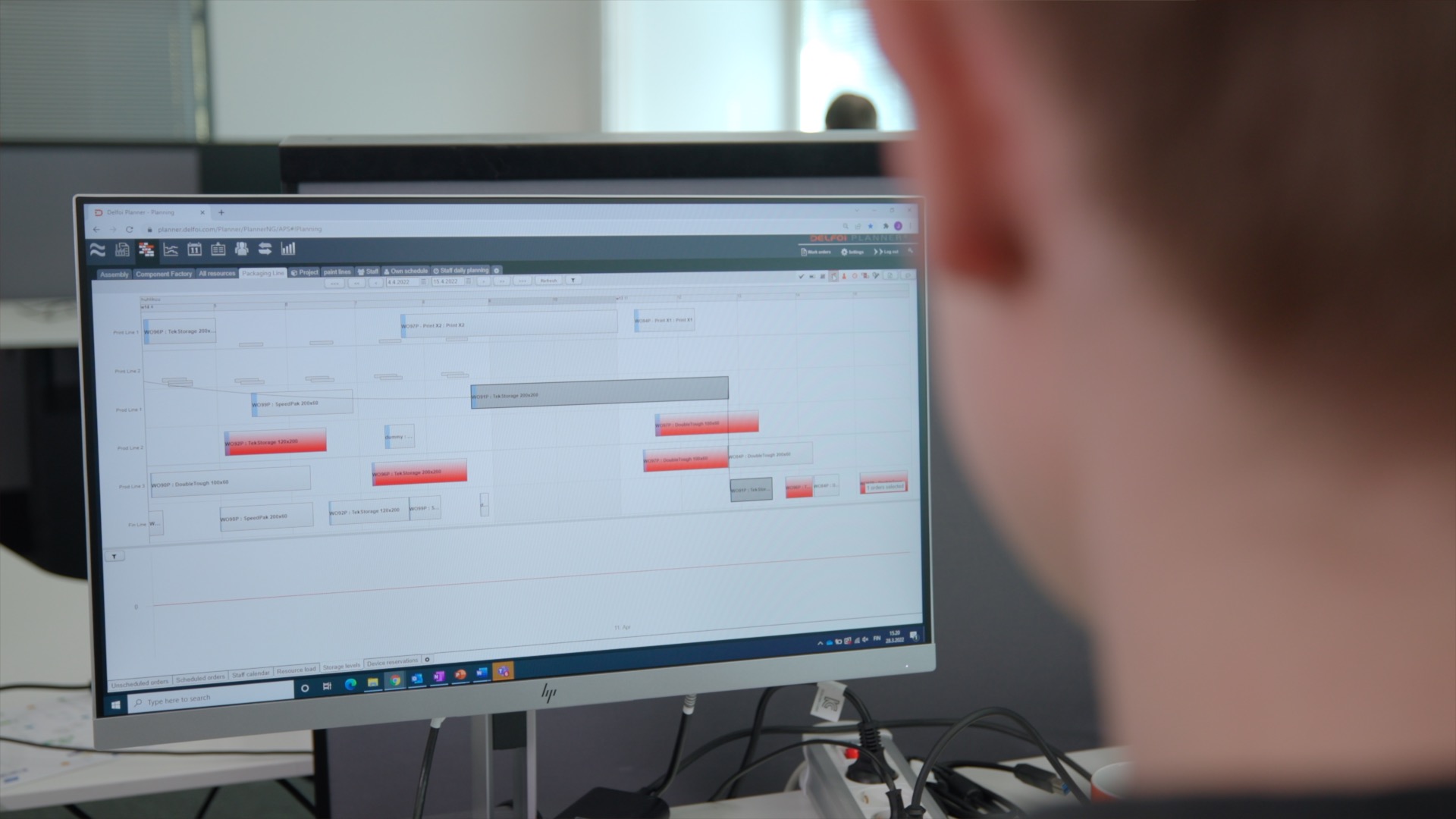
Our Delfoi Planner solution addresses these critical needs by providing a comprehensive platform for enhanced visibility. The cloud-based system offers intuitive visual interfaces that transform complex production data into actionable insights. By replacing commonly used spreadsheet applications with an intelligent planning and execution system, manufacturers gain the real-time awareness needed to thrive in today’s competitive environment.
How does Delfoi Planner integrate with existing ERP systems?
Seamless connectivity between planning tools and enterprise systems forms the backbone of truly integrated manufacturing operations. Delfoi Planner achieves this through sophisticated integration capabilities designed specifically for manufacturing environments. Our solution provides standard API connections that enable smooth data flow between the planning layer and your existing enterprise infrastructure.
The integration architecture utilizes REST API technology, providing an open interface that both partners and advanced customers can leverage. This approach ensures flexible implementation options regardless of your current ERP environment. The bidirectional data synchronization mechanisms maintain consistency between systems, with production orders, materials data, and resource information flowing automatically between platforms.
From a technical perspective, the integration allows for automated data transfer, eliminating the need for manual data entry that often leads to errors and delays. Production orders can be loaded directly from the ERP system into Delfoi Planner, where they can be scheduled and optimized. Once processed, updated information such as completion times and resource allocations can be sent back to the ERP, maintaining a single source of truth across the organization.
Operationally, this integration creates a seamless workflow where planning decisions are informed by enterprise-level data while execution details feed back into higher-level business systems. This closed-loop approach ensures alignment between strategic business objectives and shop floor realities. The cloud-based architecture further simplifies integration, with cloud deployment options available that include TSL/SSL security and verification services.
What benefits do manufacturers gain when connecting Delfoi Planner to their ERP?
The combination of robust ERP functionality with specialized production planning capabilities creates transformative operational advantages for manufacturers. First and foremost, this integration eliminates problematic data silos that plague many manufacturing operations. When information flows freely between systems, all stakeholders work with consistent, accurate data, dramatically reducing coordination issues and misalignments.
Planning accuracy sees significant improvement when built upon real-time ERP data. Production schedules created in Delfoi Planner reflect current inventory levels, existing customer orders pulled directly from the ERP. This foundation of accurate data translates directly to more reliable delivery promises, optimized resource utilization, and improved customer satisfaction.
Workflow efficiency gains are equally impressive. Tasks that previously required manual intervention—such as transferring orders from sales systems to production planning or updating inventory based on production completions—become automated. This streamlining not only saves valuable time but also eliminates error-prone manual processes.
The enhanced visibility provided by integration extends throughout the organization. Sales teams gain verified information about production dates and start times, enabling more accurate customer communications. Production supervisors receive automatically updated work lists that reflect current priorities and resources. Management obtains a comprehensive view of operations that supports better strategic decision-making.
Additionally, manufacturers benefit from improved change management capabilities. When customer requirements shift or unexpected events occur, the integrated systems can quickly adapt plans while maintaining alignment across the organization. This agility represents a significant competitive advantage in today’s volatile markets.
Which ERP systems are compatible with Delfoi Planner?
Delfoi Planner has been designed with broad compatibility in mind, enabling integration with major enterprise resource planning platforms in use today. Our solution works seamlessly with industry-leading systems such as SAP, which remains prevalent in large manufacturing operations. The integration leverages SAP’s standard interfaces while addressing the specialized requirements of production planning that SAP modules may not fully satisfy.
For organizations utilizing Oracle NetSuite solutions, Delfoi Planner provides dedicated integration pathways that respect Oracle NetSuite’s architectural approach while extending its production planning capabilities. The connection maintains data integrity across systems while enabling the advanced scheduling and optimization that modern manufacturers require.
Microsoft Dynamics users benefit from particularly smooth integration options, with Delfoi Planner complementing Dynamics’ business management strengths with specialized production planning functionality. The visual planning interface and optimization capabilities add significant value to the Dynamics ecosystem.
Beyond these major platforms, Delfoi Planner successfully integrates with numerous industry-specific manufacturing ERPs that serve specialized sectors. The flexible REST API approach ensures that even custom-developed or legacy systems can connect to our planning solution, protecting existing investments while adding advanced capabilities.
Integration is not limited to ERP systems alone. Delfoi Planner can also connect with other specialized manufacturing applications, creating a comprehensive digital ecosystem for production management.
How long does it take to implement Delfoi Planner with an existing ERP?
The timeline for successful integration varies based on several factors, but our structured implementation methodology ensures efficient and predictable deployment in most manufacturing environments. A typical implementation follows distinct phases that maintain focus and control throughout the process.
PoC pilot phase is executed as part of the delivery project to evaluate the planning capability and planning method with customer type data. In the pilot both parties will get a better understanding of the needs and capabilities.
In the delivery project Delfoi Planner will be installed, implemented, and integrated and main key users will be trained based on specification. Solution specification and detailed scope of work will be drafted and commonly accepted before the project.
The project schedule is accepted in the kick-off workshop with the customer. The project can be started 1-3 weeks after an accepted PO. The delivery schedule estimation for PoC is 4-6 weeks and for the implementation project is 2-3 months.
Several factors can influence this timeline. The complexity of your existing ERP implementation, particularly if heavily customized, may require additional integration work. The scope of data to be synchronized between systems also impacts the timeline, as does the number of production facilities to be included. Organizations with clearer process definitions and strong project management tend to experience faster implementations.
Maximizing production efficiency: Key insights from Delfoi Planner-ERP integration
The strategic combination of enterprise systems with specialized production planning tools creates powerful operational synergies that transform manufacturing performance. Our experience implementing Delfoi Planner with various ERP systems has revealed several key patterns that successful manufacturers leverage to maximize value from this integration.
First, organizations that treat integration as more than a technical exercise achieve superior results. The most successful implementations align processes and responsibilities alongside system connections, ensuring that the human elements of production management evolve alongside the technical capabilities. This holistic approach drives significantly better adoption and ultimately delivers greater efficiency improvements.
Second, manufacturers benefit from starting with core integration functionality and expanding incrementally. By beginning with fundamental data flows—such as order information, resource availability, and production confirmations—organizations establish a solid foundation. Once these basics are functioning smoothly, more advanced capabilities like forecast planning and capacity modelling can be added with minimal disruption.
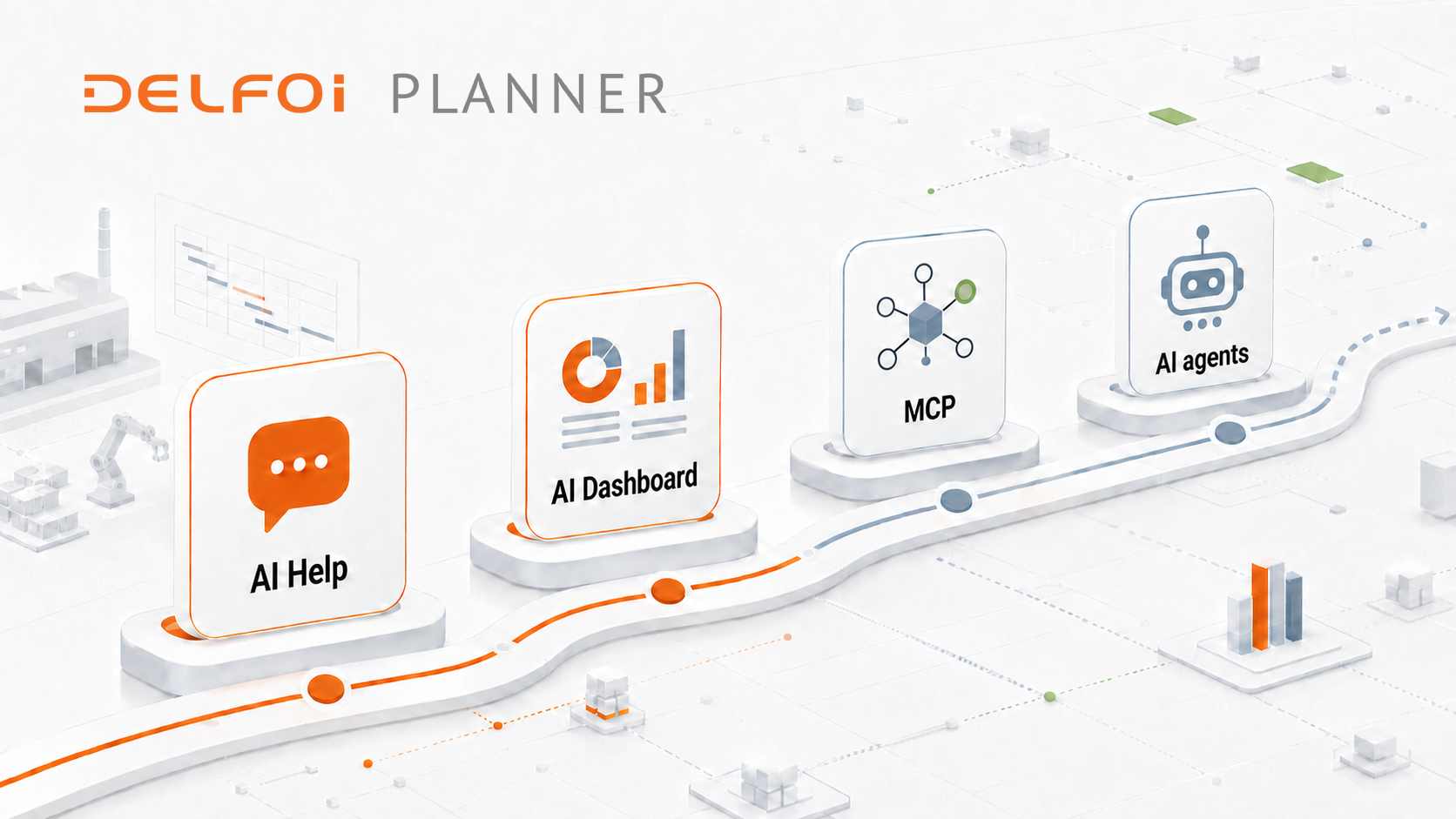
Looking ahead, we see integrated production management continuing to evolve toward greater intelligence and autonomy. The combination of real-time data visibility with advanced analytics and AI-assisted optimization represents the next frontier for manufacturing excellence. Organizations establishing strong integration foundations today will be well-positioned to leverage these emerging capabilities.
For manufacturers considering implementation, we recommend a careful assessment of current processes before beginning technical integration. Understanding existing workflows, identifying pain points, and establishing clear objectives provides the context needed for successful deployment. Additionally, involving both technical and operational stakeholders from the beginning ensures that the integrated solution addresses real business needs rather than simply connecting systems.
The journey toward truly integrated production management delivers tangible competitive advantages. Manufacturers implementing Delfoi Planner with their existing ERP systems consistently report improved delivery reliability, reduced inventory requirements, better resource utilization, and enhanced ability to respond to market changes—all critical factors for success in today’s challenging manufacturing environment.